
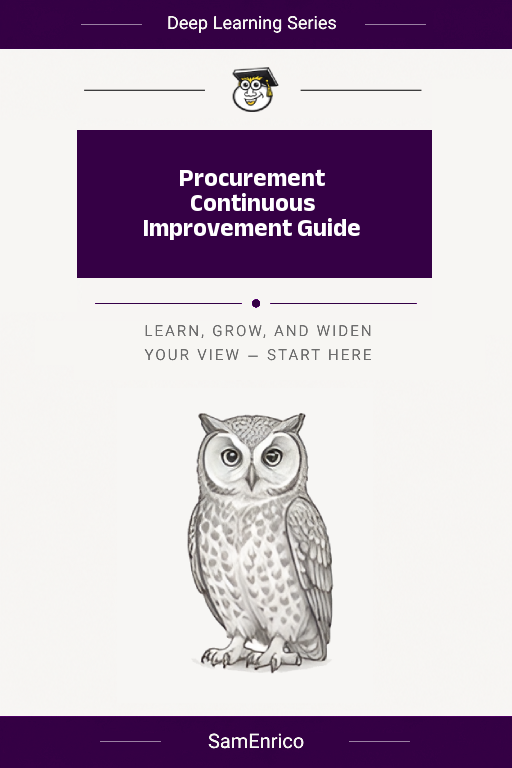
Non-FictionOperational Efficiency ManualContinuous Improvement
Procurement Continuous Improvement Guide eBook
Establishes Kaizen events and periodic process rev
Establishes Kaizen events and periodic process reviews to drive ongoing efficiency gains in source-to-pay operations.
Formats
Free sample
Chapter 1: The Plateau Problem--Every procurement leader knows the feeling. You implement a new source-to-pay system, train your team, and see immediate improvements. Cycle times drop by forty percent. Compliance rates climb to ninety percent. Cost savings exceed targets.
Stakeholders congratulate you. The board is impressed.Then six months pass. The improvements plateau. The low-hanging fruit is gone. Teams settle into new routines.
The urgency fades. Maverick spending creeps back up. The system that promised transformation now feels like just another tool. And you are left wondering: Was that it? Is this as good as it gets?This is the plateau problem.
And it is the single biggest obstacle to procurement excellence.I have seen this pattern repeat across hundreds of organizations, from global manufacturers to healthcare systems to government agencies. The curve is always the same. A sharp improvement after an initiative, followed by a flat line. The organization settles for "good enough." But good enough is not good enough. Not when your competitors are improving continuously.
Not when your stakeholders expect more. Not when every manual process step, every email-based approval, every re-type of supplier data is a cost that recurs with every transaction.The plateau is not a sign of failure. It is a natural consequence of project-based thinking. Most organizations treat improvement as a project with a defined start and end date. They implement new technology, train users, and declare victory.
But once the project ends, the momentum dies. There is no mechanism for ongoing improvement. No one is asking: "How can we make this process better next month than it is today?"This chapter introduces the plateau problem, defines it once and for all, and establishes the foundation for the solution: continuous improvement. You will learn why procurement is uniquely suited to continuous improvement, the Kaizen approach that will serve as the methodology for the rest of this book, and the true cost of doing nothing. By the end of this chapter, you will understand why the plateau is your enemy and how to begin the journey of breaking through it.Let me start with a story about a procurement team that hit the plateau and almost gave up.The Procurement Team That Almost Gave Up A few years ago, I consulted for a mid-sized manufacturing company called Industrial Parts Supply.
They had two hundred million dollars in annual spend, a procurement team of fifteen people, and a newly implemented source-to-pay system. The implementation had gone well. Cycle times had dropped from twelve days to five. Maverick spending had fallen from thirty percent to twelve percent. The Chief Procurement Officer was thrilled.Then the plateau hit.Six months after go-live, the metrics stopped moving.
Cycle times hovered at five days. Maverick spending stuck at twelve percent. The team had settled into their new routines. They were processing transactions efficiently, but they were not improving. No one was asking why the exception rate was still eight percent.
No one was asking why supplier onboarding still took eighteen days. No one was asking how to get from five days to three.The CPO called me in frustration. "We did everything right," she said. "We implemented best-in-class technology. We trained the team.
We celebrated our wins. Why are we stuck?"I asked her a simple question: "What is your mechanism for ongoing improvement?"She looked at me blankly. "We have the system," she said."The system is a tool," I said. "It is not a mechanism. A mechanism is a repeatable process for identifying waste, testing changes, and sustaining gains.
You do not have one."She thought about it. "You are right," she said. "We celebrated the implementation and stopped. We assumed the system would keep improving itself. It does not."This is the plateau problem.
And it is not a technology problem. It is a methodology problem.The Anatomy of the Plateau Every procurement transformation follows the same predictable pattern.Phase 1: The Initiative. The organization launches a project – a new system, a process redesign, a cost-cutting campaign. Resources are allocated. Attention is focused.
Energy is high.Phase 2: The Improvement. Metrics improve dramatically. Cycle times drop. Compliance rises. Savings materialize.
Stakeholders celebrate. The team feels proud.Phase 3: The Plateau. The low-hanging fruit is gone. The team settles into new routines. The urgency fades.
Metrics flatline. The organization declares victory and moves on to the next priority.Phase 4: The Backslide (Optional). Without a mechanism for ongoing improvement, old habits creep back. Cycle times drift up. Compliance drifts down.
The organization loses some of the gains it worked so hard to achieve.This pattern is not inevitable. But it is the default. Most organizations are wired for projects, not for continuous improvement. They are designed to launch initiatives, not to sustain gains.The plateau is the gap between project-based thinking and continuous improvement. It is the space where good enough becomes the enemy of better.Why Procurement Is Uniquely Suited to Continuous Improvement The plateau is painful.
But the good news is that procurement is uniquely suited to continuous improvement. The source-to-pay process touches every part of the organization. It involves hundreds of transactions, dozens of stakeholders, and countless opportunities for waste.Consider the math. A small improvement in cycle time – say, reducing requisition-to-order from five days to four – multiplied across ten thousand purchase orders per year saves ten thousand days of waiting. A small reduction in maverick spending – say, from twelve percent to ten percent – multiplied across two hundred million dollars in annual spend saves four million dollars.
These are not theoretical numbers. They are real. And they compound.But the case for continuous improvement goes beyond cost savings.Risk reduction. Every process failure – a missed approval, a non-compliant purchase, a supplier data error – creates risk. A supplier that is not properly vetted creates compliance risk.
A purchase order that is not properly approved creates financial risk. Continuous improvement systematically eliminates the root causes of these failures. It does not just fix problems after they happen. It prevents them from happening in the first place.Stakeholder satisfaction. Finance wants faster closing.
Internal customers want faster requisition-to-order cycles. Suppliers want faster payment. Continuous improvement delivers all of these. When procurement improves, the entire organization benefits.Team engagement. There is nothing more demotivating than doing the same inefficient process day after day.
I have watched procurement teams sink into boredom and resentment because they were forced to work around broken systems and outdated procedures. Giving your team the tools and time to improve their own work is a powerful engagement strategy. It tells them: "We trust you. We value your expertise. We want you to help us get better."Adaptability.
Markets change. Supplier capabilities change. Internal needs change. Organizations that improve continuously can adapt quickly. Organizations that improve only through projects are always playing catch-up.
When a new competitor emerges or a key supplier fails, the continuous improvement organization can pivot. The project-based organization scrambles.Procurement is the perfect laboratory for continuous improvement because it is repetitive, measurable, and cross-functional. Every day, the same processes run. Every day, there is an opportunity to make them slightly better. The key is having a mechanism to capture those opportunities.The Kaizen Approach The methodology at the…
This is the end of the free sample. Get the eBook to keep going. Buy now
About this book
Details
- Author
- Pederson Adelaide
- Publisher
- SamEnrico
- Language
- English
- Genre
- Non-Fiction, Operational Efficiency Manual, Continuous Improvement
- Released
- 2026-05-30
- Pages (approx.)
- 111
- Available as
- eBook, Audiobook

Read better in the ZLOADR app
Your eBooks on your phone or tablet. Sign in with your SamEnrico account and start reading.
More by Pederson Adelaide
 Emotional Intelligence for Foster ParentsPederson Adelaide$11.99
 Eczema Skin Self Esteem GuidePederson Adelaide$11.99
 EQ For Social WorkersPederson Adelaide$11.99
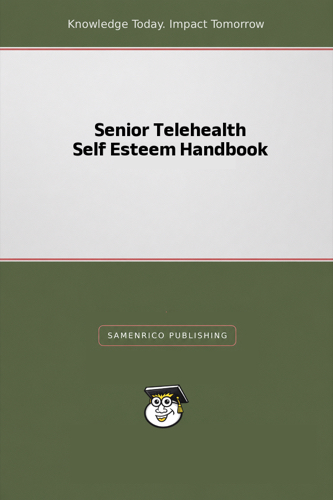 Senior Telehealth Self Esteem HandbookPederson Adelaide$11.99
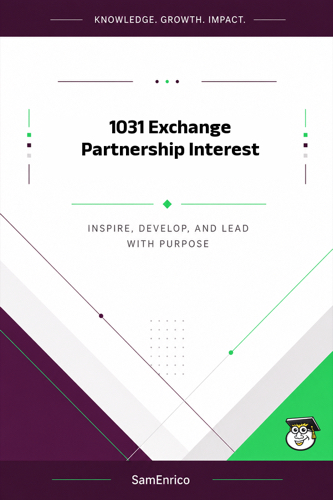 1031 Exchange Partnership InterestPederson Adelaide$11.99
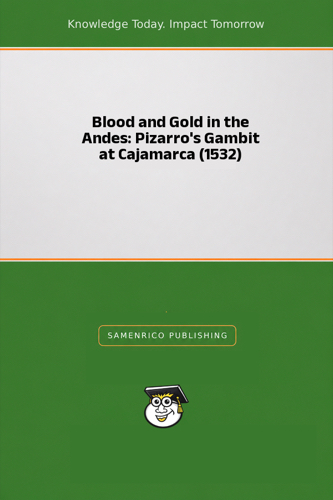 Blood and Gold in the Andes: Pizarro's Gambit at Cajamarca (1532)Pederson Adelaide$11.99
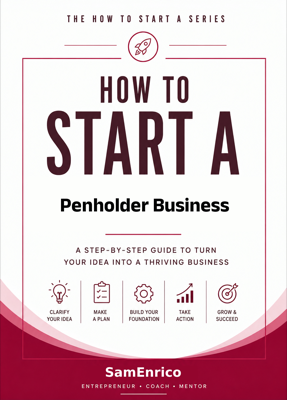 How to Start a Penholder Business (Beginners Guide)Pederson Adelaide$11.99
 Member Experience RepresentativePederson Adelaide$11.99
 Strategy Meeting For StartupsPederson Adelaide$12.99
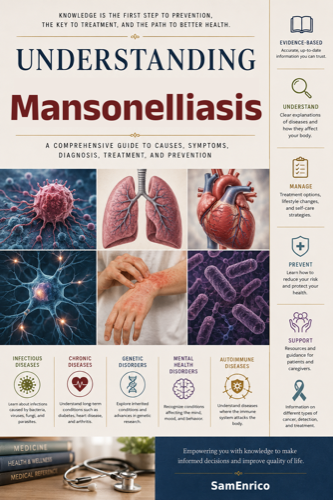 Understanding MansonelliasisPederson Adelaide$17.99
You may also like
 Hong Kong Handover 1997Dunn Johnnie$11.99
 Zumba For Postnatal Recovery CourseNeal Christian$11.99
 Zumba for BeginnersLadner Nikia$11.99
 YouTube Comment Mining GuideHumes Pandora$12.99
 Worry Box MeditationCarlin Rudy$11.99
 Workplace Stress MeditationNguyen Lynn$11.99
 Workplace Stress and Sleep RepairHawley Ivory$11.99
 Workplace Perfectionism CureDelaney Jeffry$11.99
 Workplace Injustice Anger GuideWallen Isabelle$11.99
 Work Addiction and Burnout LinkGreenwood Ester$11.99
 Women in Yoga and WellnessBeattie Galina$11.99
 Women in Stand Up ComedyChun Evangeline$11.99