
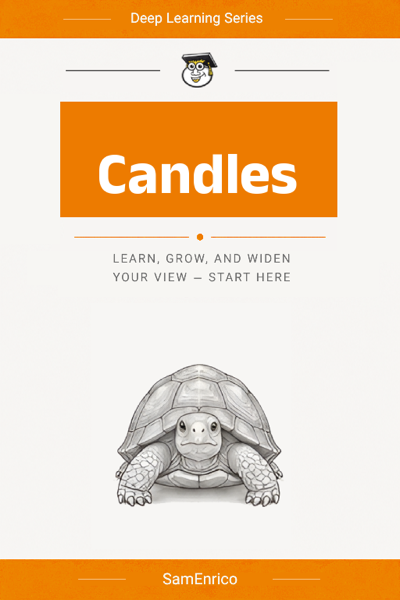
About this book
Free sample
Chapter 1: The First Light...--–- Before the invention of the electric light bulb, the average person lived in a state of perpetual, negotiated darkness. Sunset did not signal relaxation or the warm glow of a living room lamp; it signaled the end of productivity, the beginning of vulnerability, and for most of human history, an enforced idleness broken only by the pale, smoky flicker of a burning wick submerged in animal fat. The candle, an object we now relegate to romantic dinners, emergency kits, and spa bathrooms, was once the most advanced technology for managing the night. To understand the candle is to understand the very arc of human civilization—our social hierarchies, our religious impulses, our industrial ambitions, and our relentless desire to push back the dark. This chapter does not simply narrate the history of a wax cylinder with a wick; it tells the story of how a humble technology shaped class warfare, inspired scientific discovery, and ultimately created the modern concept of leisure time.
The candle, in its quiet, burning way, made us human in a world that was, for half of every day, terrifyingly blind.The First Fuels: Tallow and the Tyranny of Smell The earliest functional candles were not born of elegance but of necessity. The ancient Romans, around 500 BCE, are credited with developing the first true dipped candles—wicks of rolled papyrus or flax dipped repeatedly into melted tallow (rendered beef or sheep fat). These "tallow dips" were inexpensive and available to nearly all social classes, but their affordability came at a sensory cost that is difficult to exaggerate. Burning tallow produces a pungent, acrid smoke that clings to clothing, irritates the eyes, and smells unmistakably of a slaughterhouse. The flame itself was dim, sputtering, and required constant attention to keep the wick from mushrooming into a smoky, inefficient ember.Despite these drawbacks, tallow remained the dominant candle fuel for over two thousand years.
The reason was purely economic: tallow was a byproduct of the meat industry, abundant and nearly free. Every household that butchered an animal had raw material for light. The…
This is the end of the free sample. Get the eBook to keep going. Buy now
Contents
- Chapter 1
- Chapter 2
- Chapter 3
- Chapter 4
- Chapter 5
- Chapter 6
- Chapter 7
- Chapter 8
- Chapter 9
- Chapter 10
- Chapter 11
- Chapter 12
Details
- Author
- Workman Sylvie
- Publisher
- SamEnrico
- Language
- English
- Genre
- Non-Fiction, Informative, Educational
- Released
- 2026-05-04
- Pages (approx.)
- 146
- Available as
- eBook, Audiobook

Read better in the ZLOADR app
Your eBooks on your phone or tablet. Sign in with your SamEnrico account and start reading.
More by Workman Sylvie
 Resentment After Layoff GuideWorkman Sylvie$11.99
 TV News Producer Deadline Stress GuideWorkman Sylvie$11.99
 OCD And Gut Microbiome LinkWorkman Sylvie$11.99
 Rajneeshpuram Survivor StoryWorkman Sylvie$11.99
 College Student Gambling Addiction GuideWorkman Sylvie$11.99
 The Billion-Dollar Bet: How a Poker Pro Built a Casino EmpireWorkman Sylvie$11.99
 Understanding LaryngomalaciaWorkman Sylvie$17.99
 Segmentation Auto Discoverer ManualWorkman Sylvie$12.99
 Logistics Real Estate OutlookWorkman Sylvie$12.99
You may also like
 Hong Kong Handover 1997Dunn Johnnie$11.99
 Zumba For Postnatal Recovery CourseNeal Christian$11.99
 Zumba for BeginnersLadner Nikia$11.99
 YouTube Comment Mining GuideHumes Pandora$12.99
 Worry Box MeditationCarlin Rudy$11.99
 Workplace Stress MeditationNguyen Lynn$11.99
 Workplace Stress and Sleep RepairHawley Ivory$11.99
 Workplace Perfectionism CureDelaney Jeffry$11.99
 Workplace Injustice Anger GuideWallen Isabelle$11.99
 Work Addiction and Burnout LinkGreenwood Ester$11.99
 Women in Yoga and WellnessBeattie Galina$11.99
 Women in Stand Up ComedyChun Evangeline$11.99