
Non-FictionHealth & WellnessSpecial Needs
Zumba for Special Needs Audiobook
Adaptive dance fitness for individuals with develo
Adaptive dance fitness for individuals with developmental disabilities.
Formats
Free sample
Chapter 1: The Sensory Key...–- It was a Tuesday afternoon in a fluorescent-lit community center, and Maria had given up hope. Her son, Leo, then seven years old and diagnosed with severe autism spectrum disorder, had not made eye contact with her in eleven months. He spent his days spinning the wheels of a toy dump truck, watching the motion blur into a silver circle, rocking on his heels when the world became too loud. They had tried speech therapy (Leo remained non-verbal), occupational therapy (he tolerated the brush but hated the swing), and applied behavior analysis (he learned to sit still but his anxiety skyrocketed). Then, on a desperate whim—because the babysitter cancelled and the YMCA had free childcare—Maria walked into a Zumba class.
She sat Leo in the corner with his tablet, hoping he would not melt down. Ninety seconds into the first song, something shifted. A reggaeton bass dropped. The floor vibrated. Leo looked up.
His foot tapped once. Then twice. Then he stood up. By the end of the song, he was swaying—not in the frantic, self-stimulatory way that worried his therapists, but in time with the beat, in sync with the dozen other bodies in the room. Maria started crying.
She did not know why. This book is the answer to that question.The Broken Model: Why Traditional Exercise Fails Special Populations For decades, the fitness industry has operated on a simple, seductive premise: calories in, calories out. Move your body, burn energy, lose weight, gain health. This model assumes a functioning nervous system that can plan, sequence, and execute movement on command. It assumes that the person in front of you can hear verbal instructions, process them, translate them into motor plans, and then execute those plans without sensory interference.
For a significant portion of the population—including individuals with autism spectrum disorder, Down syndrome, cerebral palsy, ADHD, anxiety disorders, and sensory processing differences—these assumptions are not merely optimistic. They are dangerously wrong.Consider the traditional gym class. The instructor stands at the front, facing the class, and says, "Okay everyone, step right foot out, then left, then together—no, wait, I said right foot first. Let's try it again." For a neurotypical adult, this is mildly annoying. For a child with dyspraxia (a motor planning difficulty common in autism), those words are a scrambled signal.
Their brain receives "step," "right," "left," "together," but cannot sequence them. They freeze. They watch others. They fall behind. Eventually…
This is the end of the free sample. Get the Audiobook to keep going. Buy now
About this book
Details
- Author
- Escobar Paige
- Publisher
- SamEnrico
- Language
- English
- Genre
- Non-Fiction, Health & Wellness, Special Needs
- Released
- 2026-06-08
- Pages (approx.)
- 144
- Available as
- eBook, Audiobook

Listen in the VoxFlicks app
Audiobooks and audio dramas wherever you go. Sign in with your SamEnrico account and press play.
More by Escobar Paige
 The Disappointment Of OthersEscobar Paige$11.99
 Small Talk for Police EncountersEscobar Paige$11.99
 EQ for Anxiety Reduction HandbookEscobar Paige$11.99
 Internal Distraction Management GuideEscobar Paige$11.99
 The Quit Smoking Acupuncture GuideEscobar Paige$11.99
 Open Book Exam GuideEscobar Paige$11.99
 Bear App Notes GuideEscobar Paige$11.99
 Child Loss And PurposeEscobar Paige$11.99
 The Vanishing of Flight 1956: A Cold Case RevisitedEscobar Paige$11.99
 The Djinn Knight of Camelot: A Sultan’s Oath in AvalonEscobar Paige$11.99
 The Minstrels of the Streets: How Medieval Europe's Wandering Musicians Laid the Groundwork for Hip-HopEscobar Paige$11.99
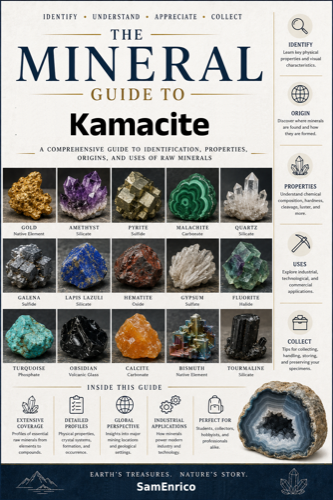 The Mineral Guide to KamaciteEscobar Paige$11.99
You may also like
 Hong Kong Handover 1997Dunn Johnnie$11.99
 Zumba For Postnatal Recovery CourseNeal Christian$11.99
 Zumba for BeginnersLadner Nikia$11.99
 YouTube Comment Mining GuideHumes Pandora$12.99
 Worry Box MeditationCarlin Rudy$11.99
 Workplace Stress MeditationNguyen Lynn$11.99
 Workplace Stress and Sleep RepairHawley Ivory$11.99
 Workplace Perfectionism CureDelaney Jeffry$11.99
 Workplace Injustice Anger GuideWallen Isabelle$11.99
 Work Addiction and Burnout LinkGreenwood Ester$11.99
 Women in Yoga and WellnessBeattie Galina$11.99
 Women in Stand Up ComedyChun Evangeline$11.99