
researchAnnual CheckupResearch Law
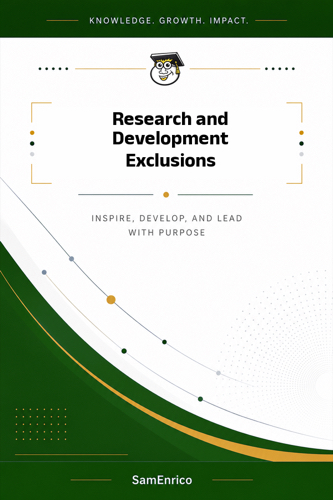
Research and Development Exclusions Audiobook
Apply non-commercial R&D exemptions under the EU A
by Vitale Oscar
Apply non-commercial R&D exemptions under the EU AI Act.
Formats
Free sample
Chapter 1: The Legislative Bargain...--The European Union does not do accidents. When the AI Act emerged from trilogue negotiations in December 2023, every comma, every recital, and every exemption had been fought over by three institutions—the Commission, the Parliament, and the Council—each with competing mandates. The R&D exemptions in Articles 2(6) and 2(8) were not gifts to the research community. They were weapons in a much larger political war.To understand what these exemptions actually permit, you must first understand what they were designed to prevent. This chapter tells the story of that legislative bargain: why the exemptions exist, what they were meant to protect, and—most importantly—where the drafters deliberately left ambiguity that now traps the unwary researcher.The Two Warring Camps The European Parliament began 2023 with a clear mandate from its Committee on Internal Market and Consumer Protection (IMCO): regulate high-risk AI strictly, but do not kill European innovation.
By mid-year, however, two irreconcilable visions had emerged.The Safety Caucus , led by MEPs from Germany and France with backgrounds in consumer protection, argued that any AI system that touches real people in real environments should be fully regulated from day one. Their logic was brutal but coherent: if an AI can affect a person's health, employment, or fundamental rights, it should meet safety standards before it ever runs on real data. They pointed to the Vioxx scandal (a marketed drug later withdrawn) and the Boeing 737 MAX disasters as evidence that pre-market testing exemptions kill people. Their proposed text would have eliminated R&D exemptions entirely for any AI system intended for high-risk use cases.The Science Caucus , led by MEPs from smaller member states with powerful research universities (the Netherlands, Sweden, Finland), countered that imposing full conformity assessment on every research AI would end European AI leadership. They argued that most AI research is iterative: you build, you test, you fail, you rebuild.
Requiring a 12-month conformity assessment before each iteration would make research impossible. Their nightmare scenario was a Ph D student who cannot test her diagnostic algorithm on retrospective patient data because the hospital's legal department fears €15 million fines. They won.The compromise was a set of exemptions so narrowly drafted that both sides claimed victory—and both were right. The exemptions exist, but they are booby-trapped with conditions that most researchers never see coming.Recitals 22 and 25: The Legislative Smoke Signals Before diving into the…
This is the end of the free sample. Get the Audiobook to keep going. Buy now
About this book
Details
- Author
- Vitale Oscar
- Publisher
- SamEnrico
- Language
- English
- Genre
- research, Annual Checkup, Research Law
- Released
- 2026-06-06
- Pages (approx.)
- 142
- Available as
- eBook, Audiobook

Listen in the VoxFlicks app
Audiobooks and audio dramas wherever you go. Sign in with your SamEnrico account and press play.
More by Vitale Oscar
 Burnout Prevention for First Responders CourseVitale Oscar$11.99
 Mindful Tech Use MBSR ApproachVitale Oscar$11.99
 Earle's Deep Sea Oil Drilling OppositionVitale Oscar$11.99
 Restless Leg Syndrome and ChemotherapyVitale Oscar$11.99
 The Day the Beatles Never Broke Up: A Multiverse MysteryVitale Oscar$11.99
 Xenotime MiningVitale Oscar$11.99
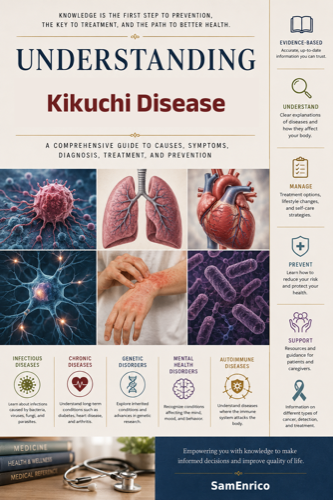 Understanding Kikuchi DiseaseVitale Oscar$17.99
 SME SaaS Penetration ForecastVitale Oscar$12.99
 Knowledge Base Auto Builder ManualVitale Oscar$12.99
 A Beginners Guide to Down Hill Skiing (Volume 1)Vitale Oscar$11.99
You may also like
 Scientific Research On TM GuideMartens Nathanial$11.99
 Research Proposal Methodology Section MasteryPauley Debroah$11.99
 Research Proposal Appendix CompilationRaines Tyisha$11.99
 Academic Researcher Distraction GuideFord Virgil$11.99
 TM Research and ScienceCovert Nicki$11.99
 Social Anxiety Research ReviewRoberge Cole$11.99
 Research Proposal Significance Section GuideBock Tory$12.99
 Research Proposal Reviewer PsychologyLugo Tawanda$11.99
 Research Proposal Research Questions DesignLara Robbi$11.99
 Research Proposal References and CitationsPatten Shanice$11.99
 Research Proposal Mixed Methods DesignCameron Omega$11.99
 Research Proposal Data Management PlanAnderson Roberto$12.99