

Non-FictionInformativeEducational
White Rhinoceroses: Second Largest
This wildlife publication, published by SamEnrico,
This wildlife publication, published by SamEnrico, covers White Rhinoceroses: Second Largest
Formats
About this book
Free sample
Chapter 1: The Wide-Mouthed Ghost...--The first thing you notice about a white rhinoceros is not its size, though size is impossible to ignore. It is not its horns, though those will stop your heart from a hundred meters. No, the first thing you notice—once you have spent enough time in the African bush to look past the obvious—is the mouth. It is absurdly wide, almost comically so, like a living lawnmower attached to a tank. The upper lip is square, flat, and slightly prehensile only at the very edges, sweeping across the grass in a gentle arc, cropping it to a precise height that no other herbivore can match.
Watch a white rhino feed for an hour, and you will understand something profound about evolution: the mouth made the mammal, not the other way around.This chapter is about that mouth—and the 50 million years of evolution that produced it. But it is also about something more. The white rhino is often called a living fossil, a clumsy relic from a forgotten age. That is a lie. The white rhino is not a failure of evolution.
It is a masterpiece of specialization, a grazing machine so perfectly adapted to its niche that it became the second largest land animal on Earth. And yet, that specialization has become its curse. In a world of rapid climate change, habitat fragmentation, and poaching, the white rhino's narrow dietary and ecological requirements—the very traits that made it successful—now make it vulnerable.We begin with the deep past, because you cannot understand what is being lost until you understand what took 50 million years to build.The Rhinocerotidae Family: A Brief History of the One-Horned Giants To understand the white rhino, you must first forget everything you think you know about rhinos. The modern image—a gray, thick-skinned, bad-tempered beast with one or two horns on its nose—is only the last frame of a very long film. The rhinoceros family, Rhinocerotidae, first appears in the fossil record during the Eocene epoch, roughly 50 million years ago, in what is now North America.
Those early rhinos bore little resemblance to their descendants. They were small, agile, and entirely hornless—about the size of a…
This is the end of the free sample. Get the eBook to keep going. Buy now
Contents
- Chapter 1
- Chapter 2
- Chapter 3
- Chapter 4
- Chapter 5
- Chapter 6
- Chapter 7
- Chapter 8
- Chapter 9
- Chapter 10
- Chapter 11
- Chapter 12
Details
- Author
- Dewitt Felton
- Publisher
- SamEnrico
- Language
- English
- Genre
- Non-Fiction, Informative, Educational
- Released
- 2026-06-02
- Pages (approx.)
- 137
- Available as
- eBook, Audiobook

Read better in the ZLOADR app
Your eBooks on your phone or tablet. Sign in with your SamEnrico account and start reading.
More by Dewitt Felton
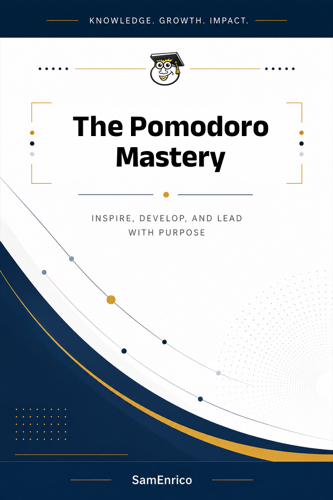 The Pomodoro MasteryDewitt Felton$11.99
 Cathedral Silence GuideDewitt Felton$11.99
 Stress Pregnancy ComplicationsDewitt Felton$11.99
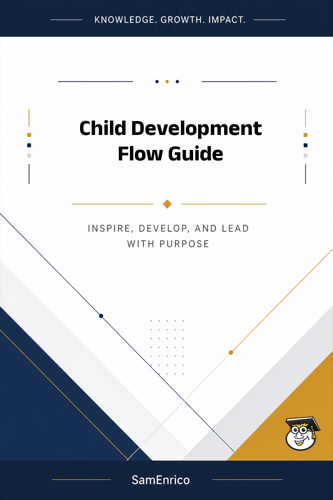 Child Development Flow GuideDewitt Felton$11.99
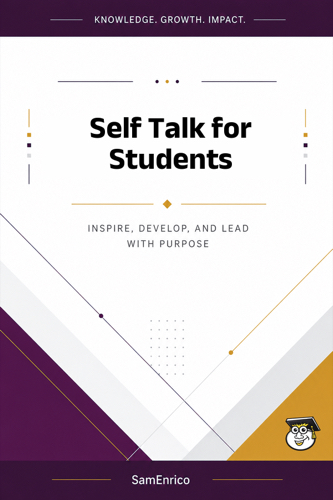 Self Talk for StudentsDewitt Felton$11.99
 Cabin Porch Swing GuideDewitt Felton$11.99
 Archer's Self HypnosisDewitt Felton$11.99
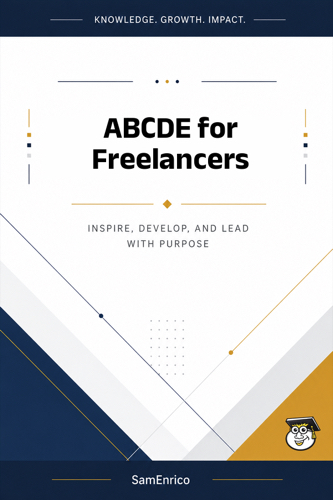 ABCDE for FreelancersDewitt Felton$11.99
 The Vanishing of the Shanghai Princess: A Prohibition-Era MysteryDewitt Felton$11.99
 Crowfoot’s Shadow: A Blackfoot Spy’s GambitDewitt Felton$11.99
 How to Produce Digital CamerasDewitt Felton$11.99
 How to Produce a Plant ProtectorDewitt Felton$11.99
You may also like
 Hong Kong Handover 1997Dunn Johnnie$11.99
 Zumba For Postnatal Recovery CourseNeal Christian$11.99
 Zumba for BeginnersLadner Nikia$11.99
 YouTube Comment Mining GuideHumes Pandora$12.99
 Worry Box MeditationCarlin Rudy$11.99
 Workplace Stress MeditationNguyen Lynn$11.99
 Workplace Stress and Sleep RepairHawley Ivory$11.99
 Workplace Perfectionism CureDelaney Jeffry$11.99
 Workplace Injustice Anger GuideWallen Isabelle$11.99
 Work Addiction and Burnout LinkGreenwood Ester$11.99
 Women in Yoga and WellnessBeattie Galina$11.99
 Women in Stand Up ComedyChun Evangeline$11.99