

Somatic Tracking Guide Audiobook
Notice body sensations associated with triggers wi
by Rush Mary
Notice body sensations associated with triggers without reacting or suppressing.
Formats
Free sample
Chapter 1: The Silent Alarm–- You are standing in the grocery store, comparing two brands of pasta sauce, when it happens. Without warning, your heart begins to race. Your palms grow slick against the shopping cart handle. Your throat tightens as if someone is pressing a thumb gently against your windpipe. You look around, confused.
No one is near you. No loud noise has startled you. No one has spoken to you. There is no rational explanation for what your body is doing. And yet, your body is acting as though a predator is crouched in the cereal aisle, waiting to pounce.You abandon the cart.
You walk quickly to your car. You sit in the driver's seat, gripping the steering wheel, breathing in short, shallow gasps. After five minutes, the sensation fades. You drive home, shaken and embarrassed. "What is wrong with me?" you whisper.
"That was nothing. There was no reason for that."This is not a sign that you are broken. This is not a character flaw. This is not weakness, attention-seeking, or a failure of willpower. This is your nervous system doing exactly what it evolved to do: sounding a silent alarm based on a pattern it learned long ago.
And you cannot think your way out of it. You must learn to feel your way through it safely.The Hidden Architecture of Reaction Most people believe that their emotions and reactions begin as thoughts. The common-sense model goes something like this: something happens, you think about it, you form an opinion, and then you feel an emotion. If that were true, then changing your thoughts would reliably change your feelings. And sometimes, for simple problems, it does.
If you are worried about a work presentation because you think you are unprepared, preparing more changes the thought and the feeling follows.But triggers do not work this way.Triggers bypass the thinking brain entirely. They travel along a neural superhighway that connects your sensory organs directly to your limbic system—the emotional and memory center of your brain—without stopping at the prefrontal cortex, where rational thought lives. This is why you can feel a full-blown panic response before you have consciously registered what triggered it. The alarm sounds first. The thinking brain scrambles to catch up, often inventing a plausible explanation after the fact.This architecture is not a design flaw.
It is a survival feature. Your ancient ancestors did not have the luxury of thoughtfully analyzing whether a rustle in…
This is the end of the free sample. Get the Audiobook to keep going. Buy now
About this book
Details
- Author
- Rush Mary
- Publisher
- SamEnrico
- Language
- English
- Genre
- Non-Fiction, Self-Help, Somatic
- Released
- 2026-06-08
- Pages (approx.)
- 130
- Available as
- eBook, Audiobook

Listen in the VoxFlicks app
Audiobooks and audio dramas wherever you go. Sign in with your SamEnrico account and press play.
More by Rush Mary
 Hobby Toxin Exposure GuideRush Mary$11.99
 Ecommerce Capital GuideRush Mary$11.99
 Sam Sheppard Polygraph RetakeRush Mary$11.99
 Alcohol Recovery and FuneralsRush Mary$11.99
 The IBS Emergency KitRush Mary$11.99
 MBSR for ParentsRush Mary$11.99
 Sibling Rivalry AdultRush Mary$11.99
 George W. Bush TexasRush Mary$11.99
 The Last Empress: How Cixi Seized Power in the Forbidden CityRush Mary$11.99
 The Vanishing of the Lost Colony: Roanoke’s Forgotten CodeRush Mary$11.99
 Shadows of the Silk Road: The Unseen Hands of Marco PoloRush Mary$11.99
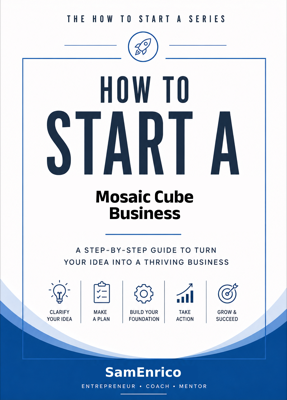 How to Start a Mosaic Cube Business (Beginners Guide)Rush Mary$11.99
You may also like
 Somatic Trigger Release GuideNorth Larraine$11.99
 Loneliness And Somatic HealingJustice Denna$11.99
 The Internal Trigger MapGerber Jerrica$11.99
 Dream Body Sensations LogButterfield Kimbery$11.99
 Trigger Physical SensationsMarble Hoa$11.99
 Kinesthetic Trance InductionMears Kaye$11.99
 Anticipatory Grief Physical PainVines Ahmad$11.99
 The Chronic Pain Body Scan GuideRichey Sebrina$11.99
 Burnout Prevention Somatic WorkHurt Shanika$11.99
 The Somatic Healing GuideJensen Timothy$11.99
 Body Scan for Somatic ExperiencingAlonzo Rea$11.99
 The Parent Death Body GriefWhiteside Lynwood$11.99