
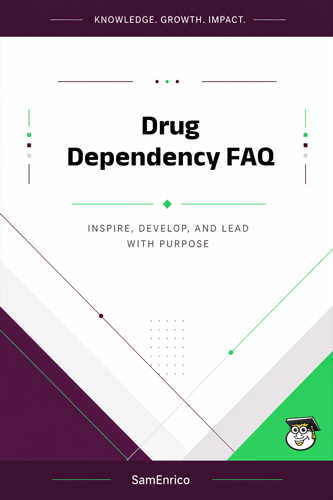
Drug Dependency FAQ
Answers to common questions about substance use di
by Hawley Ara
Answers to common questions about substance use disorders.
Formats
About this book
Free sample
Chapter 1: The Vocabulary Trap...--–- Imagine for a moment that you are sitting in a doctor’s office. You have just told a physician that you are worried about your drinking—or perhaps about a family member’s use of prescription painkillers. The doctor nods, types something into a computer, and says, “It sounds like you may have a substance use disorder.” You leave the office with a referral, but something about the phrase feels cold, clinical, almost alien. Later, you search online and find other terms: “addiction,” “dependency,” “substance abuse,” “chemical dependence.” Some websites use these words interchangeably. Others insist they mean very different things.
A friend tells you, “You’re not an addict—you just have a habit.” Another says, “It’s a disease, like diabetes.” By the end of the night, you are more confused than when you started.This confusion is not your fault. The language of substance use disorders has changed dramatically over the past fifty years, and it continues to evolve. Words that once appeared in diagnostic manuals have been retired. Terms that were considered compassionate in one decade are now seen as stigmatizing in another. Even the title of this book—Drug Dependency FAQ—contains a word, “dependency,” that the current edition of the Diagnostic and Statistical Manual of Mental Disorders (DSM-5-TR) no longer uses as a standalone diagnosis.
Why would we keep an outdated term in the title? Because millions of people still search for “drug dependency” when they are looking for help. If we changed the title to Substance Use Disorder FAQ, many of the very people who need this information would never find it. That is the vocabulary trap: the words we use to describe suffering can either open doors or slam them shut.This chapter exists to pull you out of that trap. By the time you finish reading, you will understand the precise, clinical meanings of the most important terms in this book.
You will know why “substance abuse” and “dependence” no longer appear in the DSM. You will be able to distinguish between physical dependence…
This is the end of the free sample. Get the eBook to keep going. Buy now
Contents
- Chapter 1
- Chapter 2
- Chapter 3
- Chapter 4
- Chapter 5
- Chapter 6
- Chapter 7
- Chapter 8
- Chapter 9
- Chapter 10
- Chapter 11
- Chapter 12
Details
- Author
- Hawley Ara
- Publisher
- SamEnrico
- Language
- English
- Genre
- Non-Fiction, Self-Help, Reference
- Released
- 2026-06-09
- Pages (approx.)
- 160
- Available as
- eBook, Audiobook

Read better in the ZLOADR app
Your eBooks on your phone or tablet. Sign in with your SamEnrico account and start reading.
More by Hawley Ara
 Mindfulness Meditation for Athletes GuideHawley Ara$11.99
 EQ For Police And First RespondersHawley Ara$11.99
 The Homesick Student GuideHawley Ara$11.99
 The Compact Loci MethodHawley Ara$11.99
 Child Nightmare Processing GuideHawley Ara$11.99
 Self Worth And Suicidal ThoughtsHawley Ara$11.99
 Palace for Names FacesHawley Ara$11.99
 Loving Kindness For FailureHawley Ara$11.99
 The Velvet Rebellion: How a Secret Society of Designers Toppled the Fashion EliteHawley Ara$11.99
 The Twitter Files: Secrets, Power, and the Battle for TruthHawley Ara$11.99
 The Art of the Steal: How a Billion-Dollar Heist Exposed the Dark Side of Fine ArtHawley Ara$11.99
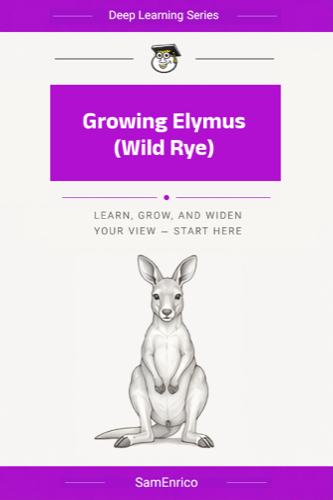 Growing Elymus (Wild Rye)Hawley Ara$11.99
You may also like
 Hong Kong Handover 1997Dunn Johnnie$11.99
 Zumba For Postnatal Recovery CourseNeal Christian$11.99
 Zumba for BeginnersLadner Nikia$11.99
 YouTube Comment Mining GuideHumes Pandora$12.99
 Worry Box MeditationCarlin Rudy$11.99
 Workplace Stress MeditationNguyen Lynn$11.99
 Workplace Stress and Sleep RepairHawley Ivory$11.99
 Workplace Perfectionism CureDelaney Jeffry$11.99
 Workplace Injustice Anger GuideWallen Isabelle$11.99
 Work Addiction and Burnout LinkGreenwood Ester$11.99
 Women in Yoga and WellnessBeattie Galina$11.99
 Women in Stand Up ComedyChun Evangeline$11.99