
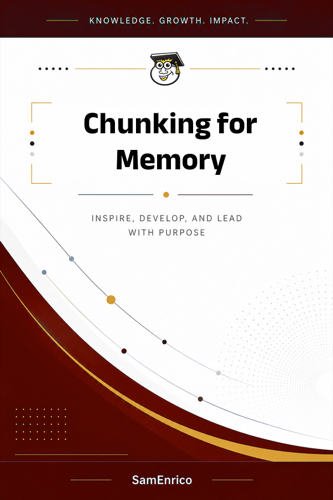
Free sample
Chapter 1: The Seven-Item Jail--The first time I truly understood how broken human memory is, I was standing in my kitchen holding a carton of milk and absolutely no idea why.I had walked from the living room to the kitchen—twelve feet, maybe fifteen—on a mission I could no longer recall. The milk was in my hand. The refrigerator door was open. And my brain was a blank white wall. I stood there for what felt like an embarrassing eternity, hoping the context would trigger something.
It did not. I put the milk back, returned to the living room, sat down, and immediately remembered: I had gone to get butter. Not milk. Butter.This is not a story about early dementia or a tragic head injury. This is a story about a perfectly healthy, educated adult whose working memory failed during a fifteen-foot walk across his own home.
And it happens to everyone. You have done this. Your spouse has done this. Your boss has done this during a presentation and covered it up with a cough and a glance at notes.The cruel joke of human memory is that we feel like we should remember everything. We feel like forgetting is a personal failing, a character flaw, a sign that we are not trying hard enough.
But the science tells a different story. You are not supposed to remember that butter. Your brain was not designed to hold a shopping list in your head while you navigate a kitchen. The fact that you forget is not evidence of a bad memory. It is evidence of a normal one.This chapter will show you exactly why your brain fails you in these moments.
More importantly, it will introduce the only escape route that actually works: chunking. By the time you finish this chapter, you will understand the fundamental limit that governs every human brain on the planet, and you will have taken the first step toward breaking out of what I call the Seven-Item Jail.The Magical Number That Ruins Your Day In 1956, a cognitive psychologist named George Miller published a paper with a title so strange and wonderful that it has become legendary in the field: "The Magical Number Seven, Plus or Minus Two: Some Limits on Our Capacity for Processing Information."The paper did something that good science papers rarely do. It told people what they already knew…
This is the end of the free sample. Get the Audiobook to keep going. Buy now
About this book
Details
- Author
- Damron Jone
- Publisher
- SamEnrico
- Language
- English
- Genre
- Non-Fiction, Self-Help
- Released
- 2026-06-09
- Pages (approx.)
- 143
- Available as
- eBook, Audiobook

Listen in the VoxFlicks app
Audiobooks and audio dramas wherever you go. Sign in with your SamEnrico account and press play.
More by Damron Jone
 NVC For Blended FamiliesDamron Jone$11.99
 Methamphetamine Neurotoxicity RecoveryDamron Jone$11.99
 Road Rage for PedestriansDamron Jone$11.99
 Paper Planner Blocking SystemDamron Jone$11.99
 Nap Assessment GuideDamron Jone$11.99
 Loving Kindness for a NewbornDamron Jone$11.99
 Stress And Foot PainDamron Jone$11.99
 Immigrant Accounting Firm SuccessDamron Jone$11.99
 Baba Yaga’s Last Waltz: A Witch’s Curse in Three MovementsDamron Jone$11.99
 Voltage & Visions: The Forgotten Electric Dreamers of 1859Damron Jone$11.99
 The Phantom of the Underground: The Hunt for the London Tube KillerDamron Jone$11.99
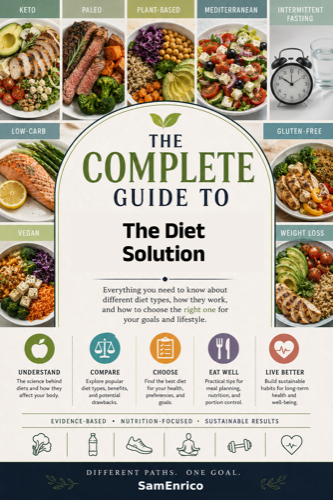 The Complete Guide to the Diet SolutionDamron Jone$11.99
You may also like
 Workplace Stress MeditationNguyen Lynn$11.99
 Volcano Monitoring ScientistCox Alexis$11.99
 The Tech Professional NetAguiar Nevada$11.99
 The Morning Metta RitualCanales Anya$11.99
 The Chunking Memory TechniqueClanton Hyacinth$11.99
 The Beginner Mistake FixAmmons Cassondra$11.99
 Surrendering to What IsGrimm Reatha$11.99
 Self Hypnosis for Fear of FireBillups Eli$11.99
 Road Rage for Professional DriversBrackett Janise$11.99
 Psychiatric Ward Nurse StressDunning Wyatt$11.99
 Observation vs Evaluation NVCTimmons Alda$11.99
 Networking for Nonprofit ProfessionalsPoole Jesse$11.99