
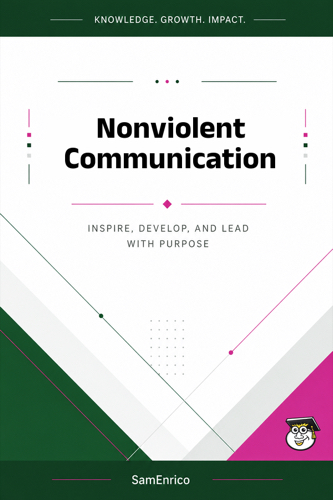
Free sample
Chapter 1: The Diagnosis Trap...--–- It begins with a spoon. Not a dramatic spoon, not a family heirloom or a weapon. Just a ordinary spoon, left in the sink. The marriage that ended that night had survived infidelity, job loss, and the death of a child. But it could not survive the spoon.He walked into the kitchen after a fourteen-hour shift.
She had been home all day with a teething toddler. He saw the spoon, the smear of peanut butter still visible, the dried oatmeal clinging to the bowl beside it. And in that moment, he did not see exhaustion. He did not see survival. He saw laziness."You're so lazy," he said.She looked up from the couch, where she had finally sat down for the first time in nine hours.
"I'm lazy? You've been home for thirty seconds and all you can do is criticize me?""I work all day so you can stay home and you can't even wash a spoon?""I carried your child for nine months. I haven't slept through the night in sixteen weeks. And you're complaining about a spoon?"By midnight, she was packing a bag. By morning, she had called a lawyer.
By the end of the year, they were divorced. When their marriage counselor asked what had happened, they both said the same thing: "It wasn't about the spoon." But they were wrong. It was exactly about the spoon.Not the spoon itself, of course. But what the spoon became. The spoon was a diagnosis.
He diagnosed her as lazy. She diagnosed him as controlling. And once those diagnoses were spoken aloud, they became real. Not because they were true, but because diagnostic language has a strange and terrible power: once you name someone as a thing, you stop seeing them as a person.This chapter is about that spoon. It is about the diagnosis trap that most of us fall into before we have even learned to speak.
It is about the four specific ways that ordinary, well-intentioned people turn minor disagreements into wars. And it is about the first and most difficult skill of Nonviolent Communication: learning to see without labeling, to describe without diagnosing.The Human Addiction to Diagnosis Let us begin with an uncomfortable truth. Your brain is not designed for accuracy. It is designed for speed.Evolution shaped the human nervous system to make split-second judgments…
This is the end of the free sample. Get the Audiobook to keep going. Buy now
About this book
Details
- Author
- Lu Eleonor
- Publisher
- SamEnrico
- Language
- English
- Genre
- Non-Fiction, Self-Help / NVC
- Released
- 2026-06-06
- Pages (approx.)
- 137
- Available as
- eBook, Audiobook

Listen in the VoxFlicks app
Audiobooks and audio dramas wherever you go. Sign in with your SamEnrico account and press play.
More by Lu Eleonor
 Medication Dispenser GuideLu Eleonor$11.99
 Loneliness in HomelessnessLu Eleonor$11.99
 NYC Pop Up PermittingLu Eleonor$11.99
 Workload Prioritization SystemLu Eleonor$11.99
 Morning Routine ChallengeLu Eleonor$11.99
 Mastering Team BrainstormingLu Eleonor$11.99
 Grit for PilotsLu Eleonor$11.99
 The Siege of Manila: Blood in the Streets of the Philippines (1898)Lu Eleonor$11.99
 Scythian Surgeons: The Hidden Healers of the SteppeLu Eleonor$11.99
 How to Produce Video Game Arcade CabinetsLu Eleonor$11.99
 How to Produce Lawn and Garden ProductsLu Eleonor$11.99
 Clubhouse Shortcut GuideLu Eleonor$12.99
You may also like
 Hong Kong Handover 1997Dunn Johnnie$11.99
 Zumba For Postnatal Recovery CourseNeal Christian$11.99
 Zumba for BeginnersLadner Nikia$11.99
 YouTube Comment Mining GuideHumes Pandora$12.99
 Worry Box MeditationCarlin Rudy$11.99
 Workplace Stress MeditationNguyen Lynn$11.99
 Workplace Stress and Sleep RepairHawley Ivory$11.99
 Workplace Perfectionism CureDelaney Jeffry$11.99
 Workplace Injustice Anger GuideWallen Isabelle$11.99
 Work Addiction and Burnout LinkGreenwood Ester$11.99
 Women in Yoga and WellnessBeattie Galina$11.99
 Women in Stand Up ComedyChun Evangeline$11.99