
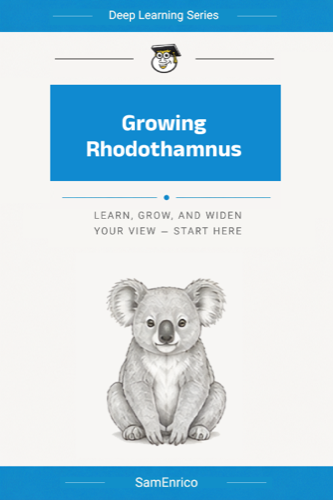
Growing Rhodothamnus
This publication, published by SamEnrico, covers G
This publication, published by SamEnrico, covers Growing Rhodothamnus
Formats
About this book
Free sample
Chapter 1: The Seven Corpses--–- The first one arrived in a cardboard box, shipped from a nursery in the Austrian Alps. I remember holding the small pot in my palm, marveling at the tight rosettes of dark green leaves, each no larger than a pinky nail. The shipping label said Rhodothamnus chamaecistus—a name I had to practice three times before I could say it without stumbling. I had read exactly one article about this plant, written by an alpine enthusiast who described it as "challenging but rewarding." Those three words would cost me seven years and seven dead plants before I understood what they really meant.I planted that first Dwarf Alpenrose in what I thought was perfect conditions: a partially shaded corner of my rock garden, surrounded by the same gritty, acidic soil mix that made my rhododendrons thrive. The soil drained well.
The spot received morning sun and afternoon shade. I watered it carefully, never letting the roots dry out completely but never leaving them soggy. I did everything right. Three months later, the leaves turned yellow, then brown, then black at the tips. By autumn, the plant was a skeleton of dead twigs protruding from the soil like accusation.
I had no idea what I had done wrong.The second plant lasted five months. The third, six weeks. By the fourth corpse, I had stopped naming them.This is not a book about a plant that is merely "difficult." This is a book about a plant that actively resists everything we think we know about gardening. Rhodothamnus chamaecistus, the Dwarf Alpenrose, is the botanical equivalent of a Zen koan—a paradox wrapped in a riddle, presented in the form of a charming little shrub with pink flowers. It belongs to the Ericaceae family, the same clan that includes rhododendrons, azaleas, blueberries, and heathers.
Every single one of those plants demands acidic soil. Every single one will sicken and die in alkaline conditions. And yet Rhodothamnus—this impossible, contradictory, magnificent little plant—grows exclusively on pure limestone scree in the highest elevations of the Eastern Alps and the Caucasus…
This is the end of the free sample. Get the eBook to keep going. Buy now
Contents
- Chapter 1
- Chapter 2
- Chapter 3
- Chapter 4
- Chapter 5
- Chapter 6
- Chapter 7
- Chapter 8
- Chapter 9
- Chapter 10
- Chapter 11
- Chapter 12
Details
- Author
- Malley Rosette
- Publisher
- SamEnrico
- Language
- English
- Genre
- Non-Fiction, Informative, Educational
- Released
- 2026-06-02
- Pages (approx.)
- 144
- Available as
- eBook, Audiobook

Read better in the ZLOADR app
Your eBooks on your phone or tablet. Sign in with your SamEnrico account and start reading.
More by Malley Rosette
 Starting Difficult Conversations RightMalley Rosette$11.99
 Manager Stress Resilience GuideMalley Rosette$11.99
 Long Car Ride RLS FixMalley Rosette$11.99
 Geography Memory LociMalley Rosette$11.99
 The Gacy Crime Scene PhotosMalley Rosette$11.99
 Dreams and MedicationMalley Rosette$11.99
 Retirement Assets Estate TaxMalley Rosette$11.99
 Bipolar Workplace Management ManualMalley Rosette$11.99
 PMS Bloating RemediesMalley Rosette$11.99
 Iron Tracks to the Arctic: The Race for the Northern RailwayMalley Rosette$11.99
 The Dreamkeepers of the Great Barrier Reef: Aboriginal Navigators and the Lost Knowledge of the SeasMalley Rosette$11.99
 The Red Corsairs: Soviet Partisans of the Black SeaMalley Rosette$11.99