
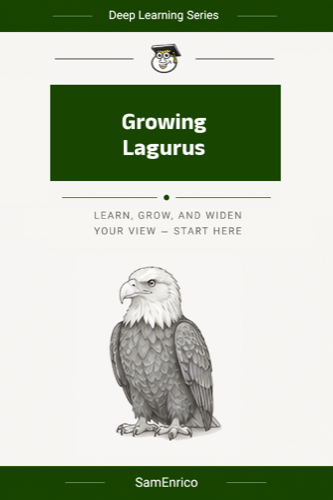
Non-FictionInformativeEducational
Growing Lagurus eBook
This publication, published by SamEnrico, covers G
by Crump Krysta
This publication, published by SamEnrico, covers Growing Lagurus
Formats
Free sample
Chapter 1: The Grass That Hides in Plain Sight--– Walk into any high-end floral design studio or scroll through the curated feed of a trend-setting wedding florist, and you will eventually encounter it. Tucked among the sculptural dahlias, the ethereal peonies, and the architectural eucalyptus, there it sits—modest, unassuming, yet utterly unmistakable. A small, oval head of pure softness, no larger than a cotton ball, attached to a slender green stem. It looks like something a child might have drawn: a grass that decided to grow a tiny cloud instead of a seed head. That is Lagurus ovatus, known to gardeners and designers alike as Bunny Tail Grass.
And despite its recent explosion in popularity, this Mediterranean native is anything but new. It has been hiding in plain sight for centuries, waiting for its moment to return to the spotlight.The Ornamental Grass Revolution Over the past decade, the world of cut flowers and garden design has undergone a quiet but profound transformation. For generations, the floral industry prioritized the big, the bold, and the brilliantly colored. Roses, lilies, chrysanthemums, and carnations dominated both garden center seed racks and florist coolers. Perfection was measured in uniformity—each stem identical, each petal unblemished, each bloom opening at precisely the right moment for a Valentine’s Day or Mother’s Day rush.
But something began to shift around the mid-2010s. Gardeners and florists started craving texture. They began to value the imperfect, the whimsical, the tactile. A movement emerged that celebrated grasses, seed pods, dried branches, and anything that added movement and depth to an arrangement. This was the ornamental grass revolution, and Lagurus ovatus became one of its brightest stars.The dried flower aesthetic, sometimes called the “boho” or “meadow” look, rejected the stiff, formal bouquets of previous decades in favor of arrangements that felt wild, organic, and hand-gathered.
Pampas grass became a sensation overnight, appearing in every influencer’s bedroom corner and every rustic wedding archway. But pampas grass, for all its dramatic plumes, has significant drawbacks. It is invasive in many regions, grows to intimidating heights of six to ten feet, and produces fluffy seed heads that shed profusely, leaving a trail of debris wherever they go. Lagurus ovatus offers everything that pampas grass promises with none of the problems. It grows to a manageable twelve to twenty-four inches.
It does not spread aggressively outside its preferred Mediterranean climate. Its seed heads, when properly dried, hold together remarkably well. And most importantly, it is perhaps the softest plant material—fresh or dried—that you will ever encounter.The Cotton Ball on a Stick Let us pause for a moment and talk about that softness, because it is not an exaggeration to say that Lagurus ovatus has an almost magnetic effect on human touch. Place a fresh bouquet of bunny tails on a farmer’s market table, and watch what happens. People will walk past the sunflowers and the zinnias, but the moment they spot those little round heads, their hands reach out instinctively.
They touch one. Then they touch another. And then they smile. There is something deeply primal about the tactile quality of this grass—a reminder of childhood, of stuffed animals, of comfort. The plant’s common name, Bunny Tail Grass, is not a marketing invention.
It is an honest description. Run your fingers across a mature seed head, and you will feel the same dense, silky, springy texture as the tail of a cottontail rabbit. It is soft without being fragile, plush without being flimsy.But the appeal of Lagurus goes far beyond its tactile charm. From a visual standpoint, the plant offers a remarkable transformation that unfolds over the course of its growing season. When the seed heads first emerge in early summer, they are a vivid, almost electric shade of apple-green.
At this stage, the tails are still tightly packed and surprisingly firm, with a slight resistance when squeezed. They look fresh, alive, and bursting with energy. As the summer progresses, the green begins to fade, replaced by a creamy, off-white color that sits somewhere between ivory and pale butter. This is the stage most commonly seen in dried arrangements—the classic bunny tail, soft and neutral, ready to complement any color palette. Finally, as autumn arrives and the plant completes its lifecycle, the tails transition to a warm straw-tan, the same golden hue as harvested wheat.
Some gardeners find this late-stage color equally beautiful, especially in fall wreaths and Thanksgiving centerpieces.Not All Tails Are Created Equal One of the most common sources of confusion for new growers is the distinction between Lagurus ovatus and several other grasses that bear a superficial resemblance to it. Walk into any garden center that sells ornamental grasses, and you will find seed packets labeled “Bunny Tails,” “Hare’s Tail Grass,” “Rabbit Tail Grass,” and sometimes simply “Fluffy Grass.” Some of these are genuine Lagurus ovatus, but others belong to completely different genera, and the differences matter tremendously for the grower.The most frequent imposter is Polypogon monspeliensis, commonly known as Annual Beard Grass or Rabbitfoot Grass. At a quick glance, it looks nearly identical to Lagurus: it produces soft, cylindrical seed heads on slender stems, and it shares the same Mediterranean origins. But the differences become apparent when you grow the two side by side. Polypogon seed heads are longer and more cylindrical—less like a bunny tail and more like a fox tail.
The softness is comparable, but the shape lacks the charming, rounded plumpness of true Lagurus. More importantly, Polypogon shatters aggressively when dried, dropping seeds and debris with even the slightest handling. A dried bouquet of Polypogon will leave a ring of fallen material on your table within days, whereas properly dried Lagurus holds together for months or even years.Another lookalike is Pennisetum alopecuroides, a perennial fountain grass that produces bottlebrush-like plumes. Unlike Lagurus, which is a true annual or short-lived perennial depending on the climate, fountain grass returns year after year in most temperate zones. Its plumes are much larger—often four to six inches long—and are purplish or pinkish rather than white or cream.
Fountain grass is a beautiful plant in its own right, but it serves a very different purpose in the garden. It is a specimen plant, meant to be viewed from a distance as part of a border or mass planting, not cut and dried for intimate arrangements.Finally, there is Briza media, known as Quaking Grass or Rattlesnake Grass. Its seed heads are not fluffy at all but rather flat, pendant, and shaped like tiny teardrops or rattlesnake rattles. They hang from thread-thin stems and tremble in the slightest breeze, producing a soft rustling sound. While Briza is a wonderful addition to dried arrangements, offering movement and an unusual silhouette, it shares neither the texture nor the visual impact of Lagurus.
The confusion typically arises from sloppy seed labeling rather than genuine visual similarity.For the purposes of this book, when we say Lagurus ovatus, we mean the genuine article: a true grass belonging to the Poaceae family, native to the Mediterranean basin and the Canary Islands, naturalized throughout much of southern Europe, North Africa…
This is the end of the free sample. Get the eBook to keep going. Buy now
About this book
Details
- Author
- Crump Krysta
- Publisher
- SamEnrico
- Language
- English
- Genre
- Non-Fiction, Informative, Educational
- Released
- 2026-05-09
- Pages (approx.)
- 151
- Available as
- eBook, Audiobook

Read better in the ZLOADR app
Your eBooks on your phone or tablet. Sign in with your SamEnrico account and start reading.
More by Crump Krysta
 B Vitamin Complex Energy GuideCrump Krysta$11.99
 NVC for EngineersCrump Krysta$11.99
 Migraine and CGRP AntibodiesCrump Krysta$11.99
 Homework Anger SolutionCrump Krysta$11.99
 Focus Partner SystemCrump Krysta$11.99
 Triple Negative SurvivorCrump Krysta$11.99
 Snake Dream Symbol JungianCrump Krysta$11.99
 Negotiation Nonverbal EdgeCrump Krysta$11.99
 Joseph Gordon Levitt 500Crump Krysta$11.99
 White Gold Rush: The Untold Story of Miami's Crack WarsCrump Krysta$11.99
 The Bone-Crushing Charge of Goguryeo: The Battle of Salsu RiverCrump Krysta$11.99
 Kali's Shadow: The Goddess of Time's Forgotten DanceCrump Krysta$11.99
You may also like
 Hong Kong Handover 1997Dunn Johnnie$11.99
 Zumba For Postnatal Recovery CourseNeal Christian$11.99
 Zumba for BeginnersLadner Nikia$11.99
 YouTube Comment Mining GuideHumes Pandora$12.99
 Worry Box MeditationCarlin Rudy$11.99
 Workplace Stress MeditationNguyen Lynn$11.99
 Workplace Stress and Sleep RepairHawley Ivory$11.99
 Workplace Perfectionism CureDelaney Jeffry$11.99
 Workplace Injustice Anger GuideWallen Isabelle$11.99
 Work Addiction and Burnout LinkGreenwood Ester$11.99
 Women in Yoga and WellnessBeattie Galina$11.99
 Women in Stand Up ComedyChun Evangeline$11.99