
Non-FictionBusiness BriefCrypto Taxation
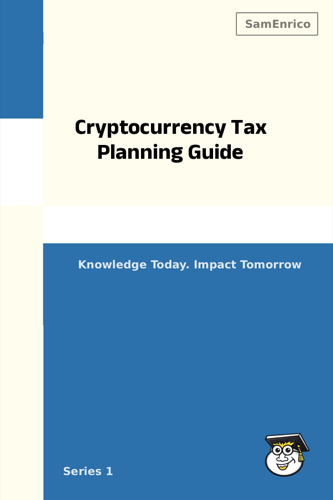
Cryptocurrency Tax Planning Guide
Track cost basis, report staking income, and use l
by Fields Dale
Track cost basis, report staking income, and use like-kind exchange rules for digital assets.
Formats
About this book
Free sample
Chapter 1: The $76,000 Cup of Coffee...--The email arrived on a Tuesday afternoon in March, and I knew before I opened it that my client was in trouble.David was a software engineer in his early thirties, the kind of client who did everything right—kept meticulous records, answered every question, paid his estimated taxes on time. He had been investing in cryptocurrency since 2017, buying small amounts of Bitcoin and Ethereum each month, dollar-cost averaging into a market he believed in. He had never sold. He had never traded. He had simply bought and held.Then, in late 2024, he decided to diversify.
He traded half of his Bitcoin for Ethereum. He traded some of his Ethereum for Solana. He participated in a few airdrops. He staked some of his holdings on a proof-of-stake network. Nothing unusual, nothing aggressive—just a modest amount of activity that any reasonable person might undertake.When he filed his 2024 tax return, he reported none of it."Why not?" I asked him, when he finally called me, panicked, after receiving a CP2000 notice from the IRS proposing an additional $95,000 in tax, penalties, and interest."Because I didn't cash out," he said.
"I didn't sell anything for dollars. I just traded one crypto for another. I thought taxes were only triggered when you convert to real money."He is not alone. That myth—you don't owe taxes until you cash out to USD—is the single most expensive misunderstanding in cryptocurrency taxation. It has cost taxpayers billions of dollars in back taxes, penalties, and interest.
It has turned routine crypto investors into audit targets. And it is completely, demonstrably, expensively wrong.The Internal Revenue Code does not care whether you received dollars, euros, yen, or Ethereum. When you dispose of property—any property—you have a taxable event. And the IRS has been clear since 2014: cryptocurrency is property.This chapter is the foundation of everything that follows. Master these concepts, and the rest of this book will make sense.
Miss them, and you will join the ranks of taxpayers who have learned this lesson the hard way—through CP2000 notices…
This is the end of the free sample. Get the eBook to keep going. Buy now
Contents
- Chapter 1
- Chapter 2
- Chapter 3
- Chapter 4
- Chapter 5
- Chapter 6
- Chapter 7
- Chapter 8
- Chapter 9
- Chapter 10
- Chapter 11
- Chapter 12
Details
- Author
- Fields Dale
- Publisher
- SamEnrico
- Language
- English
- Genre
- Non-Fiction, Business Brief, Crypto Taxation
- Released
- 2026-06-05
- Pages (approx.)
- 123
- Available as
- eBook, Audiobook

Read better in the ZLOADR app
Your eBooks on your phone or tablet. Sign in with your SamEnrico account and start reading.
More by Fields Dale
 The Community Choir DirectorFields Dale$11.99
 Anger At Child's Learning DisabilityFields Dale$11.99
 StackOverflow ReputationFields Dale$11.99
 Spousal Loss Prolonged GriefFields Dale$11.99
 Self Care for Grandparents Raising GrandkidsFields Dale$11.99
 Founder Capitalized CostsFields Dale$11.99
 Childhood DepressionFields Dale$11.99
 The Last Scribes of Timbuktu: Saving Knowledge from the FlamesFields Dale$11.99
 The Forgotten War: Korea's Bloody Stalemate (1950-1953)Fields Dale$11.99
 How to Start a Hobby in AstrologyFields Dale$11.99
 How to Produce Hazardous Waste ContainersFields Dale$11.99
 VA Work Sample Test LibraryFields Dale$12.99
You may also like
 Hong Kong Handover 1997Dunn Johnnie$11.99
 Zumba For Postnatal Recovery CourseNeal Christian$11.99
 Zumba for BeginnersLadner Nikia$11.99
 YouTube Comment Mining GuideHumes Pandora$12.99
 Worry Box MeditationCarlin Rudy$11.99
 Workplace Stress MeditationNguyen Lynn$11.99
 Workplace Stress and Sleep RepairHawley Ivory$11.99
 Workplace Perfectionism CureDelaney Jeffry$11.99
 Workplace Injustice Anger GuideWallen Isabelle$11.99
 Work Addiction and Burnout LinkGreenwood Ester$11.99
 Women in Yoga and WellnessBeattie Galina$11.99
 Women in Stand Up ComedyChun Evangeline$11.99