

Avoiding Payment Rejection Reasons
Learn why cross border payments get rejected or fl
Learn why cross border payments get rejected or flagged for African exporters and fix documentation errors before they delay your cash flow.
Formats
About this book
Free sample
Chapter 1: The Vanishing $250,000--It was 3:47 PM on a Thursday when Akin’s phone buzzed with an email that would change how he thought about money forever. The subject line read: “URGENT: Payment Rejected – Reference #NG2024-0892.”Akin, who had built a mid-sized electronics export business in Lagos over seven grueling years, had just received confirmation that his largest-ever shipment—three containers of refurbished laptops bound for a buyer in Gaborone, Botswana—had been paid for. Or so he thought. The email from his bank, a respected Nigerian institution with correspondent relationships across Europe, explained that the $250,000 wire transfer had been “placed on hold pending additional documentation.”No further details. No phone call.
No named contact.What followed was a 117-day nightmare of bounced emails, contradictory requirements, and finally, a $42,000 loss in warehousing fees, interest on a bridging loan, and the quiet disappearance of the Botswanan buyer who had simply found another supplier.This chapter is dedicated to ensuring that Akin’s story is never yours.The 27% Problem: Why Most Payments Fail the First Time Let us begin with a number that should terrify every exporter who reads it: across all payment methods—wire transfers, credit card transactions, digital wallets, and letters of credit combined—approximately 27% of international trade documents are rejected or placed on hold upon first submission.This is not a guess. It is an aggregate figure drawn from trade finance audits conducted by the International Chamber of Commerce (ICC) and corroborated by regional data from the African Export-Import Bank (Afreximbank). What this means in practical terms is that nearly three out of every four cross-border transactions encounter some form of friction before funds are released.But here is where the picture becomes more nuanced, and where many books stop too early. The 27% figure masks enormous variation across payment types. For letters of credit (L/Cs)—which remain surprisingly common for African exports, especially in the agricultural and raw materials sectors—the first-presentation discrepancy rate exceeds 50%.
That is right: more than half of all L/C submissions fail on the first try. We will devote all of Chapter 5 to…
This is the end of the free sample. Get the eBook to keep going. Buy now
Contents
- Chapter 1
- Chapter 2
- Chapter 3
- Chapter 4
- Chapter 5
- Chapter 6
- Chapter 7
- Chapter 8
- Chapter 9
- Chapter 10
- Chapter 11
- Chapter 12
Details
- Author
- Michael Eusebio
- Publisher
- SamEnrico
- Language
- English
- Genre
- Non-Fiction, Business Brief, Payment Rejection, Error Prevention
- Released
- 2026-06-01
- Pages (approx.)
- 146
- Available as
- eBook, Audiobook

Read better in the ZLOADR app
Your eBooks on your phone or tablet. Sign in with your SamEnrico account and start reading.
More by Michael Eusebio
 Microbiome Immune FunctionMichael Eusebio$11.99
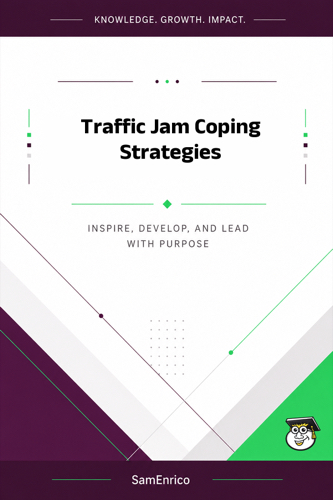 Traffic Jam Coping StrategiesMichael Eusebio$11.99
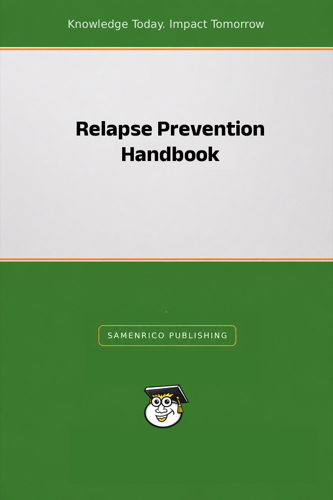 Relapse Prevention HandbookMichael Eusebio$11.99
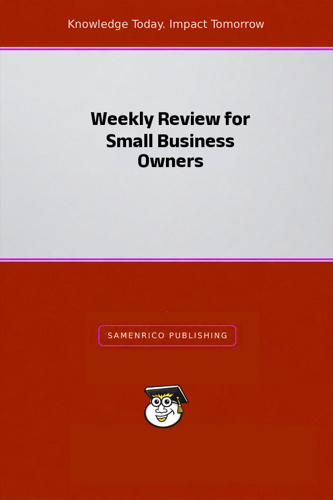 Weekly Review for Small Business OwnersMichael Eusebio$11.99
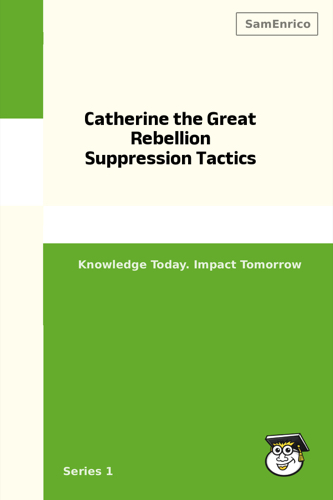 Catherine the Great Rebellion Suppression TacticsMichael Eusebio$11.99
 The Fire Prophet of the Red Sea: Ibn Majid and the Science of Volcanic WrathMichael Eusebio$11.99
 Galileo's Stargazing Secrets: The Telescope That Changed the WorldMichael Eusebio$11.99
 Gen X Cybersecurity SpendingMichael Eusebio$12.99
 Understanding BatrachophobiaMichael Eusebio$17.99
 Insurance InvestigatorMichael Eusebio$11.99
 10 Ways to Use Chocolate Biscuit (Recipe Book)Michael Eusebio$11.99