Multiple Choice Distractor AI
Generate plausible wrong answers that diagnose com
by Falcon Idell
Generate plausible wrong answers that diagnose common student misconceptions.
Formats
About this book
Free sample
Chapter 1: The Plausibility Paradox...–- Every year, millions of students walk into classrooms, sit for multiple choice tests, and confidently select wrong answers that teach their teachers absolutely nothing. The students leave believing they understood the material. The teachers leave believing the students need to study harder. Both are wrong, and neither knows it.This is not a story about lazy students or incompetent teachers. It is a story about a design flaw so fundamental that most educators have never even noticed it exists.
The flaw is this: the vast majority of wrong answers on multiple choice tests are what psychometricians call "noise"—they tell you that a student got the question wrong, but they tell you nothing about why the student got it wrong. Was it a careless typo? A lucky guess on the right answer? A deep-seated misconception that will resurface on every related topic for the next three years? The test cannot say.Now add artificial intelligence to this already broken system.
In the past two years, tens of thousands of teachers have turned to Chat GPT, Claude, and other LLMs to help them write tests faster. The promise is seductive: type "give me a 10-question quiz on fractions with multiple choice answers" and receive a complete, printable test in seconds. The reality, as this chapter will demonstrate, is that AI is simultaneously too good at one thing (generating superficially plausible wrong answers) and terrible at another (generating diagnostically useful ones). This mismatch creates what I call the Plausibility Paradox: the very feature that makes AI-generated text seem helpful—its confident, coherent, grammatically flawless output—is the feature that makes its wrong answers most dangerous for learners.This chapter introduces the foundational distinction that will guide the entire book: the difference between superficial plausibility (wrong answers that sound right to a novice but reveal no underlying misconception) and diagnostic plausibility (wrong answers that attract students with specific, predictable misunderstandings while repelling those who truly understand the concept). Understanding this distinction is the single most important step any educator can take toward turning multiple choice tests from guessing games into diagnostic…
This is the end of the free sample. Get the eBook to keep going. Buy now
Contents
- Chapter 1
- Chapter 2
- Chapter 3
- Chapter 4
- Chapter 5
- Chapter 6
- Chapter 7
- Chapter 8
- Chapter 9
- Chapter 10
- Chapter 11
- Chapter 12
Details
- Author
- Falcon Idell
- Publisher
- SamEnrico
- Language
- English
- Genre
- Non-Fiction, AI Operator, Test Design
- Released
- 2026-06-09
- Pages (approx.)
- 157
- Available as
- eBook, Audiobook

Read better in the ZLOADR app
Your eBooks on your phone or tablet. Sign in with your SamEnrico account and start reading.
More by Falcon Idell
 French Resistance Railway WorkersFalcon Idell$11.99
 Toilet Phobia Public Restroom CBTFalcon Idell$11.99
 Psychosis Suicide Attempt Recovery WorkbookFalcon Idell$11.99
 Stress and Frequent Urination GuideFalcon Idell$11.99
 The Whispering Witch of the Black Forest: Baba Yaga’s Forgotten PactFalcon Idell$11.99
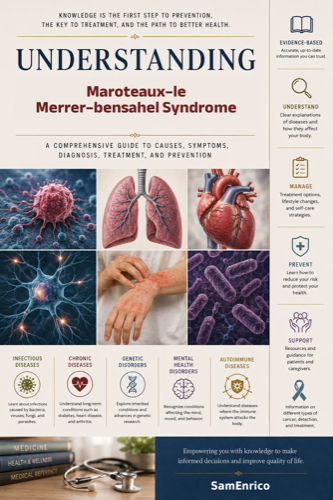 Understanding Maroteaux–le Merrer–bensahel SyndromeFalcon Idell$17.99
 How to Become a Newspaper CarrierFalcon Idell$11.99
 EV Charging Infrastructure GuideFalcon Idell$12.99
 Remote Review Common MistakesFalcon Idell$12.99
 No-U-Turn Sampler OperatorFalcon Idell$11.99