
Free sample
Chapter 1: The 11-Minute Heist--The first time I realized I had been robbed, I was standing in my kitchen, staring into an open refrigerator, holding my phone in one hand and a coffee mug in the other. I had walked into the kitchen to pour myself a cup of coffee. That was the entire mission. Pour coffee. Return to desk.
Three seconds of work.Twenty-three minutes later, I was still standing there.I had checked email (nothing urgent), scrolled Twitter (nothing important), responded to a Slack message from a colleague (could have waited), read a news headline about a celebrity I do not know, and somehow started researching the best hiking boots for a trip I was not planning. The coffee was cold. The mug was empty. My desk was waiting. And I had absolutely no idea how I had lost nearly half an hour to a refrigerator.This is not a story about weak willpower or a phone addiction.
This is a story about a system failure. And if you are reading this book, you have experienced the exact same phenomenon hundreds of times without ever giving it a name.The name is the 11-Minute Heist.The Theft You Didn't Notice Let me show you the math that will change how you see every single workday of your life.Researchers studying knowledge workers have found a devastating pattern. On average, you are interrupted every eleven minutes. Not every hour. Not every thirty minutes.
Every eleven minutes. That means if you sit down to work at 9:00 AM, you will be interrupted approximately five times before lunch and another five times after lunch. Ten interruptions per day. Fifty per week. Two hundred per month.
Two thousand four hundred per year.But the real horror show begins when we look at what happens after the interruption.It takes an average of twenty-three minutes to fully refocus after a single interruption. This is not opinion. This is peer-reviewed cognitive science. When your brain switches from Task A (your real work) to Task B (the interruption), it does not simply put Task A on a shelf and pick it up later. Task A remains partially active in your working memory, consuming neural resources, while your brain orients to Task B, processes it, executes a response, and then—critically—must re-orient back to Task A.
That re-orientation is not instant. It takes your brain time to remember where you were, what you were doing, what…
This is the end of the free sample. Get the Audiobook to keep going. Buy now
About this book
Details
- Author
- Garris Lakeisha
- Publisher
- SamEnrico
- Language
- English
- Genre
- Non-Fiction, Self-Help / Journal
- Released
- 2026-06-06
- Pages (approx.)
- 118
- Available as
- eBook, Audiobook

Listen in the VoxFlicks app
Audiobooks and audio dramas wherever you go. Sign in with your SamEnrico account and press play.
More by Garris Lakeisha
 Mergers And Acquisitions GuideGarris Lakeisha$11.99
 Gambling Addiction and CryptocurrencyGarris Lakeisha$11.99
 The Self Worth Performance ReviewGarris Lakeisha$11.99
 Telehealth DetoxGarris Lakeisha$11.99
 Life Review Journal MethodGarris Lakeisha$11.99
 Grief and Shame After DivorceGarris Lakeisha$11.99
 Child Loss and SiblingsGarris Lakeisha$11.99
 The Poisoned Lovers: The Deadly Duet of Christine and Marcel PetiotGarris Lakeisha$11.99
 Tangaroa’s Wrath: The Great Wave That Swallowed the SunGarris Lakeisha$11.99
 How to Produce Health FoodGarris Lakeisha$11.99
 How to Produce Motor Vehicle LightingGarris Lakeisha$11.99
 How to Become a Rotor AssemblerGarris Lakeisha$11.99
You may also like
 Hypnosis Script JournalCohen Leah$11.99
 Nightmare JournalLoftin Page$11.99
 Self Hypnosis Athletic JournalLusk Phylis$11.99
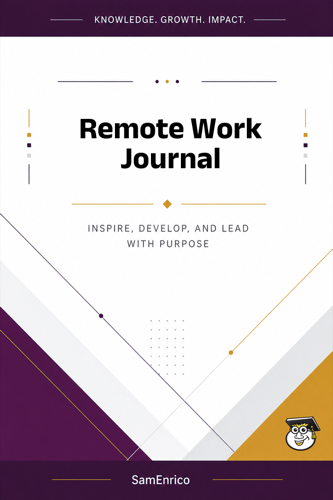 Remote Work JournalFerrell Hassie$11.99
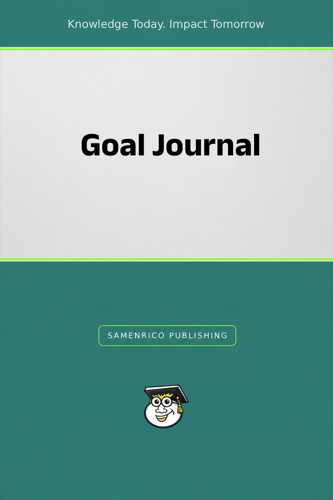 Goal JournalMchugh Stasia$11.99
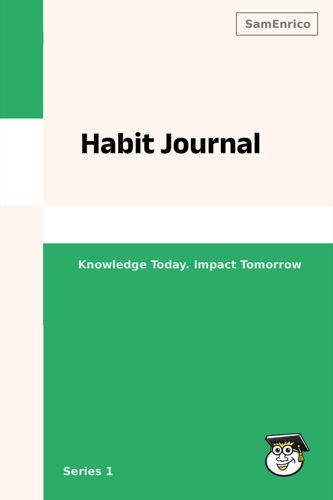 Habit JournalHanna Herminia$11.99
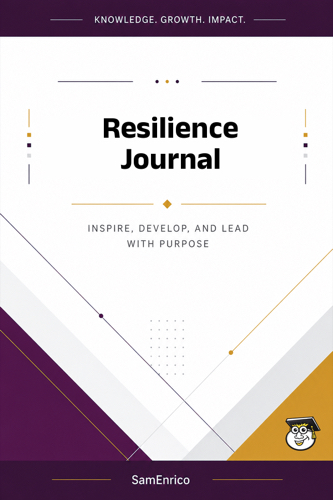 Resilience JournalPederson Kirstie$11.99
 Pattern Recognition JournalPipkin Kizzy$11.99
 Empathy Journal GuideBermudez Maren$11.99
 Palace JournalJohnson Luz$11.99
 Pain JournalMccarter Laurette$11.99
 Difficult Conversation JournalConaway Tanna$11.99