
Non-FictionSelf-HelpLongevityAging
TM and Longevity Guide eBook
Extend healthspan and reduce biological age throug
by Conti Dahlia
Extend healthspan and reduce biological age through transcendence.
Formats
Free sample
Chapter 1: The Clock That Lies...--–- The human body is a paradox of design. It is capable of extraordinary feats—running marathons, solving complex equations, healing wounds, creating art, experiencing love. Yet it is also programmed to deteriorate. The same processes that allow us to grow and thrive in youth eventually become the engines of our decline. We accept this decline as inevitable, as natural as the changing of seasons.
But what if it is not? What if the ticking of the chronological clock tells us nothing meaningful about our true biological state? What if aging, as we understand it, is not a relentless march toward decay but a malleable process that we can slow, halt, and in some respects reverse?This chapter addresses the fundamental problem that this entire book seeks to solve: why we age, what aging actually is, and why the number of candles on your birthday cake is one of the least informative metrics of your health and longevity. By the time you finish these pages, you will understand the difference between growing older and aging. You will know the six key biological mechanisms that drive physiological deterioration.
And you will begin to see why transcendence—the ancient practice of settling the mind beyond thought—offers one of the most powerful tools for rewriting your body's aging trajectory.The Most Important Distinction You Will Ever Make The first and most important distinction to understand is that growing older is not the same thing as aging. This is not semantics. It is the foundation of the entire longevity revolution.Everyone grows older with each passing day. The calendar does not lie about the date of your birth. But aging—properly defined as the process of physiological deterioration—is not inevitable.
It is the gradual loss of function that makes you more susceptible to disease, injury, and ultimately death. And it proceeds at different rates in different people, influenced far more by lifestyle than by genetics.Consider two sixty-year-old men. The first, let us call him David, has followed a healthy lifestyle for decades. He exercises regularly, eats a nutritious diet, manages his stress through daily transcendence practice, sleeps seven to eight hours per night, and maintains strong social connections. He has no chronic diseases, takes no medications, and has the energy, appearance, and cognitive sharpness of someone fifteen years younger.
He runs three times a week, travels internationally, and plays with his grandchildren without fatigue.The second, let us call him Robert, has made different choices. He has smoked a pack of cigarettes daily for forty years. He eats a diet high in processed foods, sugar, and unhealthy fats. He has not exercised since high school. He lives with chronic stress, sleeping poorly and worrying constantly about work and finances.
He has heart disease, type 2 diabetes, and chronic obstructive pulmonary disease. He takes seven medications daily. He looks and feels eighty years old. Walking up a single flight of stairs leaves him breathless.Both men are sixty years old. Both have grown older for the same number of years.
But only one has aged significantly. The other has aged very little, if at all.This distinction is not merely academic. It is the difference between living your final decades in vitality or in decline. It is the difference between watching your grandchildren grow up from a wheelchair or from the starting line of a 5K race. It is the difference between a long life and a long, healthy life.What Is Aging, Really?Before we can intervene in aging, we must understand what it is.
Aging is not a single process but a collection of interconnected mechanisms that operate at the cellular and molecular levels. Think of your body as a complex machine. Over time, parts wear out. But unlike a car or a computer, your body has remarkable self-repair capabilities. Aging is what happens when the rate of damage exceeds the rate of repair.Modern science has identified six key mechanisms that drive the aging process.
Understanding them is essential because each mechanism can be addressed through lifestyle interventions—including transcendence practice, nutrition, exercise, and emerging technologies.1. Chronic Inflammation: The Smoldering Fire Inflammation is your body's natural response to injury or infection. When you cut your finger, the area becomes red, swollen, and warm. This is acute inflammation, and it is essential for healing. The immune system sends white blood cells to the site, they attack any invading pathogens, and then they retreat.
The inflammation resolves.But there is another kind of inflammation: chronic, low-grade, systemic inflammation that does not resolve. It smolders beneath the surface, damaging tissues throughout the body. You cannot feel it, but it is there, and it is perhaps the most important driver of age-related disease.Chronic inflammation is associated with virtually every major age-related condition: heart disease, diabetes, dementia, arthritis, cancer, and frailty. Inflammatory markers such as C-reactive protein (CRP) and interleukin-6 (IL-6) rise with age. They predict future disease and earlier mortality.What causes chronic inflammation?
Many factors: poor diet (especially sugar and industrial seed oils), lack of exercise, chronic stress, poor sleep, environmental toxins, and smoking. The good news is that lifestyle interventions can dramatically reduce inflammation. And as we will see throughout this book, transcendence practice is one of the most effective tools for calming the inflammatory fire.2. Oxidative Stress: The Rust Within Every cell in your body produces energy through a process that takes place inside tiny organelles called mitochondria. This process, known as cellular respiration, converts oxygen and nutrients into adenosine triphosphate (ATP), the energy currency of the cell.
But this process has a downside: it generates reactive oxygen species (ROS)—free radicals that damage cellular components including DNA, proteins, and cell membranes.Think of oxidative stress as rust on the inside of your body. Just as rust corrodes metal, free radicals corrode your cells. This damage accumulates over time, contributing to the functional decline we recognize as aging.Your body has built-in antioxidant defenses that neutralize free radicals. But these defenses become less efficient with age. The result is an imbalance between free radical production and antioxidant capacity—oxidative stress—that accelerates aging throughout the body.Oxidative stress contributes to DNA mutations (increasing cancer risk), protein dysfunction (affecting enzyme activity), and membrane damage (affecting cellular communication).
It is a key driver of neurodegenerative diseases, cardiovascular disease, and metabolic dysfunction.Lifestyle interventions that reduce oxidative stress include eating antioxidant-rich foods (berries, dark chocolate, leafy greens, colorful vegetables), regular exercise, adequate sleep, and stress reduction. Transcendence practice has been shown to reduce markers of oxidative stress, likely through its effects on the stress response and inflammation.3. Telomere Shortening: The Biological Clock At the ends of each of your chromosomes lie protective caps called telomeres. They are often compared to the plastic tips on shoelaces that prevent fraying. Every time a cell divides, its telomeres shorten slightly.
When telomeres become too short, the cell can no longer divide. It either dies or enters a state of suspended animation called senescence.Telomeres are a biological clock of sorts. Shorter telomeres are associated with increased risk of age-related disease and earlier mortality. But telomere shortening is not purely determined by…
This is the end of the free sample. Get the eBook to keep going. Buy now
About this book
Details
- Author
- Conti Dahlia
- Publisher
- SamEnrico
- Language
- English
- Genre
- Non-Fiction, Self-Help, Longevity, Aging
- Released
- 2026-06-11
- Pages (approx.)
- 114
- Available as
- eBook, Audiobook

Read better in the ZLOADR app
Your eBooks on your phone or tablet. Sign in with your SamEnrico account and start reading.
More by Conti Dahlia
 The Assertiveness HandbookConti Dahlia$11.99
 Anger After Meetings GuideConti Dahlia$11.99
 Anger Journal For DriversConti Dahlia$11.99
 The Pelvic Floor Postpartum WorkbookConti Dahlia$11.99
 The Last-Minute Miracle: The Contract That Saved Saudi FootballConti Dahlia$11.99
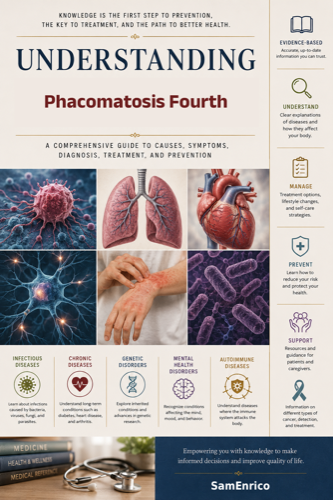 Understanding Phacomatosis FourthConti Dahlia$17.99
 Aerospace Defense MapConti Dahlia$12.99
 One Page Plan for NonprofitsConti Dahlia$12.99
 A Beginners Guide to Gridiron football (Volume 1)Conti Dahlia$11.99
 Rihanna: From Music to Billion-Dollar BusinessConti Dahlia$11.99
You may also like
 Hong Kong Handover 1997Dunn Johnnie$11.99
 Zumba For Postnatal Recovery CourseNeal Christian$11.99
 Zumba for BeginnersLadner Nikia$11.99
 YouTube Comment Mining GuideHumes Pandora$12.99
 Worry Box MeditationCarlin Rudy$11.99
 Workplace Stress MeditationNguyen Lynn$11.99
 Workplace Stress and Sleep RepairHawley Ivory$11.99
 Workplace Perfectionism CureDelaney Jeffry$11.99
 Workplace Injustice Anger GuideWallen Isabelle$11.99
 Work Addiction and Burnout LinkGreenwood Ester$11.99
 Women in Yoga and WellnessBeattie Galina$11.99
 Women in Stand Up ComedyChun Evangeline$11.99