
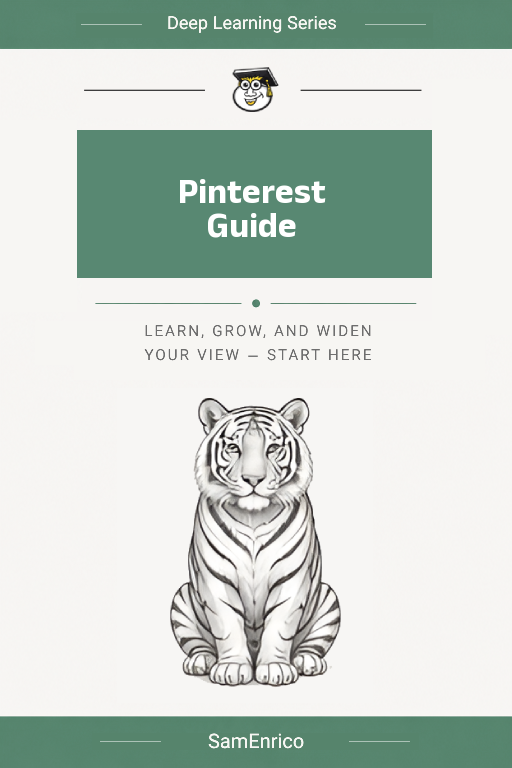
Pinterest Guide eBook
Learn visual discovery, creative recruiting, and i
Learn visual discovery, creative recruiting, and inspiration-focused culture for design-centric roles.
Formats
Free sample
Chapter 1: The Search Revolution--–- Every morning, Maria opens three apps. First, Instagram—she scrolls through stories from friends, ads for sneakers she doesn't need, and three stand-up clips she'll forget by lunch. Second, Linked In—she scans her feed for promotion announcements, thought leadership posts about "synergy," and job alerts she set up六个月 ago. Third, Pinterest—but here, she doesn't scroll. She searches.
"Minimalist UI portfolio examples." "Design system case study 2025." "Creative director mood board tech startup." She saves seventeen pins to a secret board titled "My Next Role." Maria isn't passively consuming. She is actively constructing her future career, one pin at a time. And she hasn't updated her resume in fourteen months.If you are a creative director, a hiring manager, or a talent acquisition leader in a design-centric organization, Maria represents both your greatest opportunity and your greatest blind spot. The opportunity is this: Maria and millions like her are already telling you exactly what kind of designers they want to become, what aesthetics they admire, what skills they're building, and even what companies they're dreaming of joining. The blind spot is that you're probably not listening.
You're still posting job descriptions on Linked In, reviewing resumes that list past achievements, and wondering why the same candidates keep showing up in your applicant tracking system while genuinely fresh talent remains invisible.This book exists to close that gap. The Visual Advantage is not another social media marketing guide. It is not a "how to grow your Pinterest following" manual. It is a strategic field manual for creative leaders who understand that traditional recruiting and workplace cultures are failing design talent. By harnessing the principles of visual discovery, organizations can not only find better designers but also cultivate a culture of continuous inspiration that drives innovation.
And it all starts with understanding Pinterest not as a recipe box or wedding planning tool, but as the world's most powerful visual search engine and the new frontier for creative talent development.The Great Misconception Let's start by clearing the rubble. If you ask most business leaders what Pinterest is, they'll say something like: "It's where my wife finds home decor ideas." Or "Isn't that for wedding planning?" Or "I thought millennials killed that platform." These answers reveal not just ignorance but a specific kind of professional negligence. They mistake the platform's most visible use cases for its core function. They confuse the content with the mechanism. And they miss entirely the strategic asset sitting in plain sight.Pinterest is not a social media platform.
This distinction is not semantic—it is structural and strategic. Social media platforms—Instagram, Tik Tok, Facebook, Linked In—are built on the attention economy. Their business models reward endless scrolling, algorithmic serendipity, and passive consumption. You open Instagram when you're bored. You open Tik Tok when you have ten minutes to kill.
You open Linked In when you're vaguely dissatisfied with your job and want to feel worse. These platforms optimize for time on platform. They want you to stay, to keep scrolling, to never arrive at a destination because the destination ends the session.Pinterest inverts this model entirely. Users arrive with intent. They search for specific things.
They save to boards organized by project or aspiration. They leave when they've found what they're looking for. Pinterest optimizes for search completion, not time on platform. This is the difference between a library and a casino. A casino wants you to stay forever, pulling the lever, losing track of time.
A library wants you to find the book you need and then go apply what you've learned. Pinterest is a library. Everything else is a casino.This distinction has profound implications for creative recruiting and culture building. When a designer opens Pinterest, they are not killing time. They are planning.
They are researching. They are building a visual vocabulary that will inform their next project, their next career move, or their next creative breakthrough. The user who saves a pin to a board called "UI Animation Inspiration" is not passively consuming—they are actively curating a reference library that they will return to repeatedly. The user who searches for "accessible color palette generator" is not browsing—they are solving a specific problem. The user who creates a board titled "Art Director Portfolio 2026" is not daydreaming—they are architecting their professional future.This chapter's central argument, which will echo throughout this book, is that creative organizations must learn to read these signals.
The passive scroll of Linked In tells you who has updated their resume recently. The active search of Pinterest tells you who is building skills for roles that don't even exist yet. Which signal is more valuable for a forward-looking creative leader?The Planner's Paradox Let me introduce you to a concept that will anchor everything that follows: the planner's paradox. The planner's paradox states that the most valuable creative professionals are often the least visible on traditional professional platforms. They are too busy planning and building to spend time broadcasting their achievements.
They update their Linked In profiles only when they're actively job hunting—which is to say, only when they've already mentally checked out of their current role. By the time you see them on Linked In, you've already lost the opportunity to engage them when they were most open to a compelling vision of their future.Pinterest solves the planner's paradox by making the planning itself visible. A designer doesn't need to announce "I am learning motion design" on Linked In. They just start saving After Effects tutorials and motion reference pins to a board. That board is public unless they choose to make it private.
And here's the critical insight: most designers don't think to make their career-planning boards private because they don't realize anyone is watching. They treat Pinterest as a personal tool, not a professional showcase. This naivete is your advantage.Consider the data. According to Pinterest's internal research (2024), over 450 million people use Pinterest monthly. Eighty percent of those users access the platform to plan future projects, purchases, or life events.
Forty percent of Gen Z users say they use Pinterest to plan their careers specifically. And here's the number that should stop you cold: users who search for career-related content on Pinterest are three times more likely to be passively open to new opportunities than the average Linked In user. Why? Because they're already in a planning mindset. They're already imagining a future different from their present.
They're already curating the visual evidence of what that future looks like.The planner's paradox also explains why traditional job descriptions fail for creative roles. A job description is a list of past requirements written in the language of HR compliance. "Five years of experience with Figma. Three years in a lead role. Bachelor's degree in design or related field." This language filters for people who have already done the job, not people who are capable of growing into it.
But the best creative hires are rarely the ones who have already done the exact job before. They are the ones who have been planning to do that job through their visual discovery habits.A junior designer with a meticulously…
This is the end of the free sample. Get the eBook to keep going. Buy now
About this book
Details
- Author
- Lindgren Solange
- Publisher
- SamEnrico
- Language
- English
- Genre
- Non-Fiction, Strategic Atlas, Talent Intelligence
- Released
- 2026-06-01
- Pages (approx.)
- 148
- Available as
- eBook, Audiobook

Read better in the ZLOADR app
Your eBooks on your phone or tablet. Sign in with your SamEnrico account and start reading.
More by Lindgren Solange
 The Nobel FamilyLindgren Solange$11.99
 Oprah Winfrey Life Story GuideLindgren Solange$11.99
 Lull In Conversation GuideLindgren Solange$11.99
 Gaming Disorder Diagnosis GuideLindgren Solange$11.99
 The Remote Work Anger GuideLindgren Solange$11.99
 Enkidu's Lament: The Wild Man Who Tamed GilgameshLindgren Solange$11.99
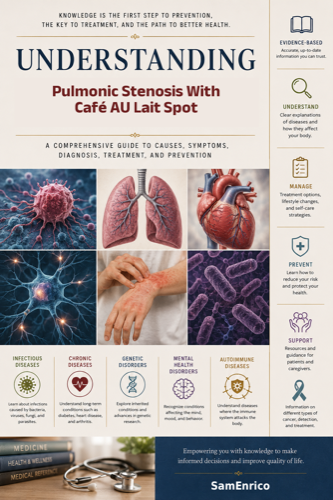 Understanding Pulmonic Stenosis With Café AU Lait SpotLindgren Solange$17.99
 FloorballLindgren Solange$11.99
 African Exporter Payment Traps GuideLindgren Solange$12.99
 How to Start a Chests Made of Wood Business (Beginners Guide)Lindgren Solange$11.99
You may also like
 Zapier GuideGallardo Alica$12.99
 Toast GuidePacheco Lorina$12.99
 Stripe Early Talent GuideHendrick Santo$12.99
 SpaceX Hiring GuideObryan Kyung$12.99
 Snap GuidePeak Berenice$12.99
 Salesforce GuideCuster Cruz$12.99
 Rippling GuideMcinnis Josefine$12.99
 Reddit GuideHolton Danyelle$12.99
 Palantir GuideBarrera Shonda$12.99
 OpenAI GuideFay Zack$12.99
 Nvidia GuideOtero Michiko$12.99
 Instacart GuideDailey Michael$12.99