
Non-FictionInformativeEducational
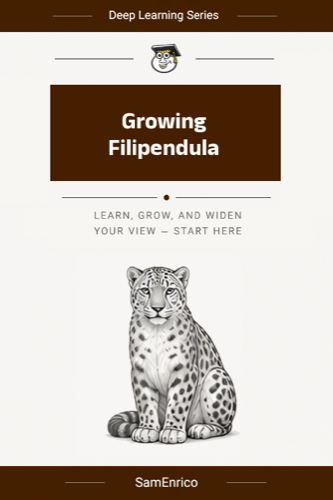
Growing Filipendula
This publication, published by SamEnrico, covers G
This publication, published by SamEnrico, covers Growing Filipendula
Formats
About this book
Free sample
Growing Filipendula: The Filipendula Gardener's Guide By Sam Enrico Chapter 1: The Rosaceae Relatives...--When I first pulled a wild Meadowsweet from a damp roadside ditch in upstate New York, I had no idea I was holding a relative of the rose. The creamy plumes, the crinkled leaves, the sweet wintergreen scent—none of it whispered "rosaceae." But there it was, hidden in plain sight: a genus that had been growing alongside human civilization for millennia, yet remained largely unknown to the very gardeners who would treasure it most.This chapter introduces you to the world of Filipendula, a genus of herbaceous perennials belonging to the Rosaceae family—the same botanical clan that includes roses (Rosa), apples (Malus), strawberries (Fragaria), and spirea (Spiraea). Understanding this family connection unlocks the key to appreciating Filipendula's growth habits, flower structures, and garden potential. From the towering Queen of the Prairie to the delicate Dropwort, this genus encompasses a remarkable range of forms united by a common botanical heritage.But Filipendula is more than just a botanical curiosity. It is a genus that has adapted to environments as diverse as the wet meadows of eastern North America, the stream banks of Europe, the limestone grasslands of Eurasia, and the volcanic slopes of Kamchatka.
It has survived ice ages, co-evolved with pollinators, and found its way into the medicine cabinets and kitchens of countless cultures. Yet in modern gardens, it remains underappreciated—often dismissed as "just another perennial" or, worse, mistaken for a weed.This chapter corrects that oversight. We will explore the botanical characteristics that define the genus, trace its ecological range across three continents, decode the meaning of its name, and lay the foundation for everything that follows in this book. By the end of this chapter, you will see Filipendula not as a niche plant for specialists, but as a versatile, resilient, and beautiful genus deserving of a place in every garden.The Rosaceae Connection: More Than Just Roses When most gardeners hear "Rosaceae," they picture hybrid tea roses with their formal blooms and thorns. But the rose family is vast and diverse, encompassing approximately 90…
This is the end of the free sample. Get the eBook to keep going. Buy now
Contents
- Chapter 1
- Chapter 2
- Chapter 3
- Chapter 4
- Chapter 5
- Chapter 6
- Chapter 7
- Chapter 8
- Chapter 9
- Chapter 10
- Chapter 11
- Chapter 12
Details
- Author
- Schumacher Van
- Publisher
- SamEnrico
- Language
- English
- Genre
- Non-Fiction, Informative, Educational
- Released
- 2026-05-08
- Pages (approx.)
- 152
- Available as
- eBook, Audiobook

Read better in the ZLOADR app
Your eBooks on your phone or tablet. Sign in with your SamEnrico account and start reading.
More by Schumacher Van
 Roseburia InterpretationSchumacher Van$11.99
 Pregnancy Loss Empathy GuideSchumacher Van$11.99
 Governor's Confederate Monument RemovalSchumacher Van$11.99
 Toddler Tantrum Stress Survival GuideSchumacher Van$11.99
 Coping With Student Loan StressSchumacher Van$11.99
 Roam Research MemorySchumacher Van$11.99
 REM Sleep Emotional MemorySchumacher Van$11.99
 Pomodoro For ReviewSchumacher Van$11.99
 ASV Therapy GuideSchumacher Van$11.99
 The Forgotten Ace: The Untold Story of Eddie Rickenbacker in WWIISchumacher Van$11.99
 The Battle of Antietam: Blood on the CornfieldSchumacher Van$11.99
 Beneath the Grid: The Lost Subterranean Cities of the WorldSchumacher Van$11.99
You may also like
 Hong Kong Handover 1997Dunn Johnnie$11.99
 Zumba For Postnatal Recovery CourseNeal Christian$11.99
 Zumba for BeginnersLadner Nikia$11.99
 YouTube Comment Mining GuideHumes Pandora$12.99
 Worry Box MeditationCarlin Rudy$11.99
 Workplace Stress MeditationNguyen Lynn$11.99
 Workplace Stress and Sleep RepairHawley Ivory$11.99
 Workplace Perfectionism CureDelaney Jeffry$11.99
 Workplace Injustice Anger GuideWallen Isabelle$11.99
 Work Addiction and Burnout LinkGreenwood Ester$11.99
 Women in Yoga and WellnessBeattie Galina$11.99
 Women in Stand Up ComedyChun Evangeline$11.99