
Non-FictionInformativeEducational
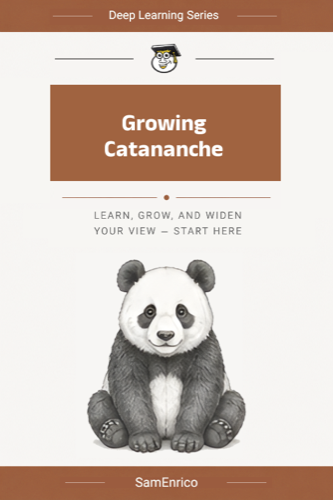
Growing Catananche
This publication, published by SamEnrico, covers G
by Frias Melony
This publication, published by SamEnrico, covers Growing Catananche
Formats
About this book
Free sample
Chapter 1: The Papery Secret...--–- Most gardeners first encounter Catananche not as a living plant, but as a ghost. They find it in dried bouquets at craft fairs, its lavender-blue flowers crackling like old parchment, or they notice it in the background of a botanical illustration, dismissed as a “filler flower” in a cottage garden painting. Few people have ever seen Cupid’s Dart growing in the ground, and fewer still can name it correctly. This is not because the plant is rare or difficult—quite the opposite. It is because Catananche occupies a strange botanical limbo, simultaneously overrepresented in the dried flower trade and almost invisible in the living landscape.
The plant has become a victim of its own durability: its papery bracts preserve so perfectly that most people assume the flower was never alive at all.But Catananche is very much alive, and it has secrets to tell. The first secret is hidden in plain sight, within those papery bracts that give the plant its common name. When you hold a fresh Cupid’s Dart flower between your fingers, you feel something unusual. It is not soft like a rose petal, nor waxy like a tulip, nor velvety like a pansy. It is crisp, dry, and rustling—alive but already preparing for death.
This is the papery secret: Catananche flowers are born as mummies. From the moment the bud opens, the bracts begin to dehydrate, hardening into a preservation state that other flowers only reach after weeks of hanging upside down in a dark closet. A fresh Catananche flower is already a dried flower. This biological trick is the key to understanding everything about the plant—its preferences, its problems, and its profound appeal.The second secret is the name itself. Catananche derives from the Greek word katanankē, which translates most directly to “strong compulsion” or “love potion.” In ancient Mediterranean cultures, the plant was gathered not for gardens but for magic.
The dried bracts were crushed into love philters, tucked into bridal wreaths, and placed beneath pillows to compel affection. The common name, Cupid’s Dart, arrived…
This is the end of the free sample. Get the eBook to keep going. Buy now
Contents
- Chapter 1
- Chapter 2
- Chapter 3
- Chapter 4
- Chapter 5
- Chapter 6
- Chapter 7
- Chapter 8
- Chapter 9
- Chapter 10
- Chapter 11
- Chapter 12
Details
- Author
- Frias Melony
- Publisher
- SamEnrico
- Language
- English
- Genre
- Non-Fiction, Informative, Educational
- Released
- 2026-06-03
- Pages (approx.)
- 152
- Available as
- eBook, Audiobook

Read better in the ZLOADR app
Your eBooks on your phone or tablet. Sign in with your SamEnrico account and start reading.
More by Frias Melony
 Upwork Time Tracker EfficiencyFrias Melony$11.99
 Large Audience SpeakingFrias Melony$11.99
 Nightmare Processing For Night Shift WorkersFrias Melony$11.99
 The Hypnotic Susceptibility TestFrias Melony$11.99
 Immigrant Ecommerce EmpireFrias Melony$11.99
 Elton John RocketmanFrias Melony$11.99
 Resilience for MilitaryFrias Melony$11.99
 Postpartum Pelvic FloorFrias Melony$11.99
 The Last Broadcast of Radio Free Europe: The Cold War's Secret War of WordsFrias Melony$11.99
 The Ballerina Who Built a Dynasty: How a Japanese Visionary Transformed Ballet in AsiaFrias Melony$11.99
 How to Start a Extension Cords Made From Purchased Insulated Wire Business (Beginners Guide)Frias Melony$11.99
 A Collector's Handbook to the Skoda 440Frias Melony$11.99
You may also like
 Hong Kong Handover 1997Dunn Johnnie$11.99
 Zumba For Postnatal Recovery CourseNeal Christian$11.99
 Zumba for BeginnersLadner Nikia$11.99
 YouTube Comment Mining GuideHumes Pandora$12.99
 Worry Box MeditationCarlin Rudy$11.99
 Workplace Stress MeditationNguyen Lynn$11.99
 Workplace Stress and Sleep RepairHawley Ivory$11.99
 Workplace Perfectionism CureDelaney Jeffry$11.99
 Workplace Injustice Anger GuideWallen Isabelle$11.99
 Work Addiction and Burnout LinkGreenwood Ester$11.99
 Women in Yoga and WellnessBeattie Galina$11.99
 Women in Stand Up ComedyChun Evangeline$11.99