
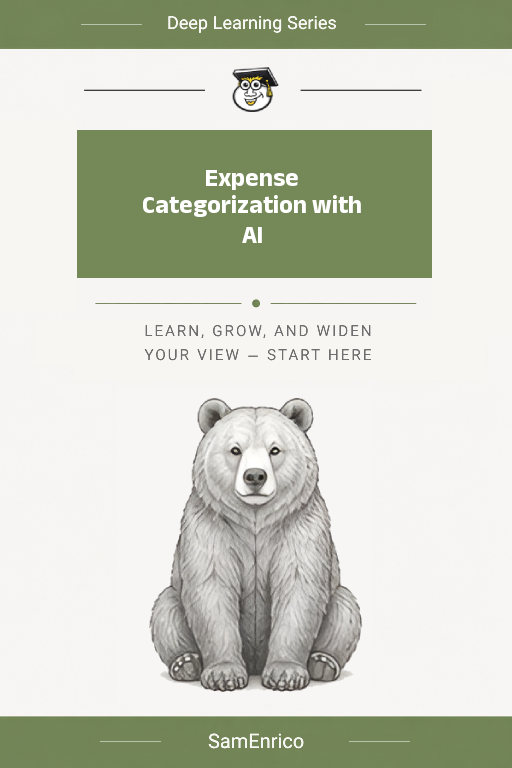
Expense Categorization with AI
Automate GL coding and expense classification usin
by Burgess Kim
Automate GL coding and expense classification using machine learning. Reduce manual entry errors.
Formats
About this book
Free sample
Chapter 1: The $47,000 Typo--–- Every finance leader remembers the moment they realized manual expense coding was not just tedious, but dangerous. For Sarah Chen, the controller of a 200millionmanufacturingcompany,thatmomentcameat2:47ona Tuesdayafternoon,whenherexternalauditorslidasinglepieceofpaperacrosstheconferencetable.Thepapershoweda200 million manufacturing company, that moment came at 2:47 on a Tuesday afternoon, when her external auditor slid a single piece of paper across the conference table. The paper showed a 200millionmanufacturingcompany,thatmomentcameat2:47ona Tuesdayafternoon,whenherexternalauditorslidasinglepieceofpaperacrosstheconferencetable.Thepapershoweda47,000 transaction coded to “Office Supplies.” The actual expense: a prototyping run for a new product line. The consequence: a missed R&D tax credit of $47,000, a restated financial statement, and a board meeting where Sarah had to explain why her team’s manual data entry had cost the company more than her own annual salary.The auditor didn’t use the word “fraud.” He didn’t need to. The miscoding was not malicious.
It was a tired accounts payable clerk, working late on a Friday, who saw “Acme Prototyping” on an invoice and clicked the first account that looked plausible from a dropdown menu of 847 options. That one click, that single moment of human error, triggered a cascade: a tax credit never claimed, a departmental budget that looked under-spent (because the R&D expense was hiding in supplies), a product launch delayed while leadership re-forecasted cash flow using wrong numbers, and a finance team that spent the next six weeks in audit remediation instead of doing strategic work.This book exists because Sarah’s story is not exceptional. It is the rule. Every finance department, from startups to Fortune 500s, is bleeding value through manual expense categorization. The bleeding is silent, invisible, and accepted as normal.
This chapter will make it visible.The Myth of “Free” Manual Entry Ask any CFO why they still rely on manual GL coding, and you will hear some version of the same answer: “We already have the staff. It doesn’t cost us anything extra.” This is the most expensive sentence in corporate finance.Manual data entry appears free only if you ignore four categories of cost: direct labor, error-related rework, delayed decisions, and fraud or leakage. Let…
This is the end of the free sample. Get the eBook to keep going. Buy now
Contents
- Chapter 1
- Chapter 2
- Chapter 3
- Chapter 4
- Chapter 5
- Chapter 6
- Chapter 7
- Chapter 8
- Chapter 9
- Chapter 10
- Chapter 11
- Chapter 12
Details
- Author
- Burgess Kim
- Publisher
- SamEnrico
- Language
- English
- Genre
- Non-Fiction, AI Operator, Financial Automation
- Released
- 2026-05-30
- Pages (approx.)
- 152
- Available as
- eBook, Audiobook

Read better in the ZLOADR app
Your eBooks on your phone or tablet. Sign in with your SamEnrico account and start reading.
More by Burgess Kim
 Overdose Education TrainingBurgess Kim$11.99
 The Social Worker Compassion FatigueBurgess Kim$11.99
 Declutter Before Buying RuleBurgess Kim$11.99
 Listening For NeurodivergentsBurgess Kim$11.99
 The Phantom Ledger: How a 19th-Century Banker Vanished $10 Million in PaperBurgess Kim$11.99
 How to Start a New Car Dealers BusinessBurgess Kim$11.99
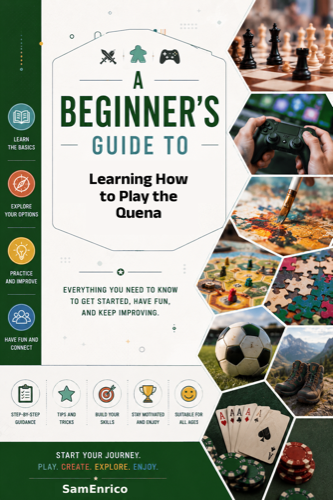 Learn to Play the QuenaBurgess Kim$11.99
 Customer Service AdminBurgess Kim$11.99
You may also like
 Financial Narrative Generation with AILemke Lynetta$12.99
 AI for Monthly Close AccelerationWalsh Dominic$12.99
 AI for Financial Report GenerationMcgehee Kaylee$12.99
 AI for Audit Data PreparationHuddleston Bertram$12.99
 AI Financial Data Automation GuideHailey Dalene$12.99
 Financial Anomaly Detection with AIBivins Dorris$12.99
 AI Data Analysis for Finance TeamsBarden Gino$12.99
 Variance Analysis with AI PromptsWilkerson Rodolfo$12.99
 Working Capital Analysis with AICarrington Cassidy$12.99
 AI for Financial ForecastingLombardo Leena$12.99
 AI Enhanced Data Analysis Finance GuideChisolm Jarrett$12.99