

researchStudent's ShortcutCitation Management
Research Proposal References and Citations
Format bibliographies in APA, MLA, Chicago, or oth
Format bibliographies in APA, MLA, Chicago, or other styles correctly.
Formats
About this book
Free sample
Chapter 1: The Ancestry Map--–- Every research proposal tells two stories. The first story is obvious and sits right on the surface: it describes what you plan to discover, how you plan to discover it, and why anyone should care. This is the story most doctoral students spend months perfecting, agonizing over every word of their problem statement and every detail of their methodology. But there is a second story, quieter and more easily overlooked, that runs like a current beneath every successful proposal. It is the story of where your ideas came from—who thought them first, who challenged them, who refined them, and who passed them along to you.
This second story is your intellectual ancestry, and it is told almost entirely through your citations.If you have ever viewed citations as tedious bureaucratic requirements—hoops to jump through before you can get to the "real" work of research—you are not alone. Graduate students across every discipline confess to the same frustration: spending hours formatting periods and commas while wondering why anyone cares. Some have even admitted to adding citations at the last minute, treating them as decorative afterthoughts rather than essential architecture. One survey of doctoral candidates found that nearly sixty percent considered citation formatting the most frustrating part of proposal writing, ranking it above data analysis and even above the literature review itself. This chapter will change that perspective fundamentally and, I hope, permanently.
By the time you finish reading, you will understand that your citations are not a chore but your most powerful tool for convincing a review committee that your research deserves funding, approval, and attention.The central argument of this chapter is simple but transformative, and it is worth stating clearly at the outset: citations are the evidence that a research gap exists. Without citations, your proposal's literature review is merely a collection of opinions, as insubstantial as smoke. With proper citations, it becomes a rigorous argument that proves previous researchers have overlooked something important—and that you are the right person to address that oversight. This is not an exaggeration or a motivational…
This is the end of the free sample. Get the eBook to keep going. Buy now
Contents
- Chapter 1
- Chapter 2
- Chapter 3
- Chapter 4
- Chapter 5
- Chapter 6
- Chapter 7
- Chapter 8
- Chapter 9
- Chapter 10
- Chapter 11
- Chapter 12
Details
- Author
- Patten Shanice
- Publisher
- SamEnrico
- Language
- English
- Genre
- research, Student's Shortcut, Citation Management
- Released
- 2026-06-11
- Pages (approx.)
- 150
- Available as
- eBook, Audiobook

Read better in the ZLOADR app
Your eBooks on your phone or tablet. Sign in with your SamEnrico account and start reading.
More by Patten Shanice
 Entry Level ComparisonPatten Shanice$11.99
 Homicide Detective Stress ManagementPatten Shanice$11.99
 Vietnamese Boat People ReunitedPatten Shanice$11.99
 Complete Body Scan Meditation GuidePatten Shanice$11.99
 Pre Race Hypnosis GuidePatten Shanice$11.99
 Jeffree Star MoneyPatten Shanice$11.99
 Cannabis and Anxiety GuidePatten Shanice$11.99
 Kali’s Shadow: The Dark Goddess and the Blood MoonPatten Shanice$11.99
 Barcelona's Last Stand: The Siege That Shook the RepublicPatten Shanice$11.99
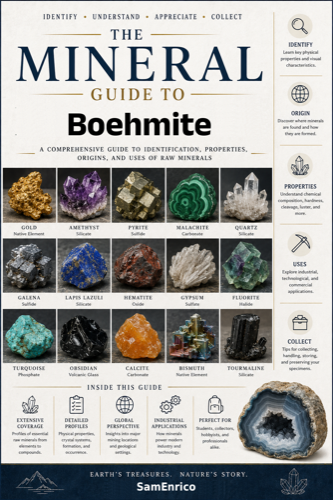 The Mineral Guide to BoehmitePatten Shanice$11.99
 Purchasing Power Parity Excel GuidePatten Shanice$12.99
 South Africa Business Credit PlaybookPatten Shanice$12.99
You may also like
 Scientific Research On TM GuideMartens Nathanial$11.99
 Research Proposal Methodology Section MasteryPauley Debroah$11.99
 Research Proposal Appendix CompilationRaines Tyisha$11.99
 Academic Researcher Distraction GuideFord Virgil$11.99
 TM Research and ScienceCovert Nicki$11.99
 Social Anxiety Research ReviewRoberge Cole$11.99
 Research Proposal Significance Section GuideBock Tory$12.99
 Research Proposal Reviewer PsychologyLugo Tawanda$11.99
 Research Proposal Research Questions DesignLara Robbi$11.99
 Research Proposal Mixed Methods DesignCameron Omega$11.99
 Research Proposal Data Management PlanAnderson Roberto$12.99
 Intermittent Fasting ResearchRiggins Denita$11.99