
Free sample
Chapter 1: The Alarm That Saves You--–- Every night, millions of people close their eyes and walk into a horror movie directed by their own brain. They are chased, attacked, humiliated, or trapped. They wake up gasping, heart pounding, sheets soaked with sweat. And then they lie in the dark, terrified to fall back asleep because they know—they know—the nightmare is waiting to resume.If this is you, you have probably been told that nightmares are meaningless, or that they are simply your brain "processing" stress, or worst of all, that you just need to "get over it." You may have tried to ignore the nightmares, only to have them return. You may have tried to analyze them for hidden symbols, only to find that understanding the dream did nothing to stop it.
You may have even sought therapy, only to discover that most general therapists receive almost no training in nightmare treatment.This book exists because that is unacceptable.Nightmare Therapy Guide is not a book of dream interpretation. It is not a collection of spiritual theories or folk remedies. It is a systematic, evidence-based workbook that synthesizes the most effective clinical protocols of the past twenty years: Imagery Rehearsal Therapy (IRT), Exposure, Relaxation, and Rescription Therapy (ERRT), Lucid Dreaming Therapy (LDT), and Cognitive Behavioral Therapy for Insomnia (CBT-I), all integrated with the latest insights from polyvagal theory and affective neuroscience.But before we can fix the nightmare, we must understand what it actually is. And that understanding begins with a radical reframing: your nightmare is not your enemy. It is a misguided alarm system trying to save your life.The Difference Between a Bad Dream and a Clinical Nightmare Let us start with a distinction that most people never learn.
Not every disturbing dream is a clinical nightmare.A bad dream is an unpleasant or frightening dream that causes some distress, but the dreamer wakes up, recognizes it was a dream, and can usually fall back asleep without significant difficulty. Bad dreams are common, especially during periods of stress. They are unpleasant, but they do not ruin your life.A clinical nightmare, by contrast, is defined by three specific features. First, it jolts the sleeper awake from REM sleep—not just a gradual waking, but an abrupt, often gasping awakening. Second, the dream content involves threats to survival, security, or physical integrity: being chased, attacked, falling, drowning, trapped, or…
This is the end of the free sample. Get the Audiobook to keep going. Buy now
About this book
Details
- Author
- Cates Marquerite
- Publisher
- SamEnrico
- Language
- English
- Genre
- Non-Fiction, Self-Help / Therapy
- Released
- 2026-06-09
- Pages (approx.)
- 148
- Available as
- eBook, Audiobook

Listen in the VoxFlicks app
Audiobooks and audio dramas wherever you go. Sign in with your SamEnrico account and press play.
More by Cates Marquerite
 Traditional Metta Phrases GuideCates Marquerite$11.99
 Pregnancy MicrobiomeCates Marquerite$11.99
 Bankruptcy Team StressCates Marquerite$11.99
 Forced Sexuality Self EsteemCates Marquerite$11.99
 TM for Public Speaking FearCates Marquerite$11.99
 The Christmas Without GiftsCates Marquerite$11.99
 Counter Reformation Seminary System HandbookCates Marquerite$11.99
 Boredom Buying Prevention PlanCates Marquerite$11.99
 The Siege of Qal'at Ja'bar: Saladin's Unfinished Crusade (1176 AD)Cates Marquerite$11.99
 Fizzle in the Sky: The Rise and Fall of the ConcordeCates Marquerite$11.99
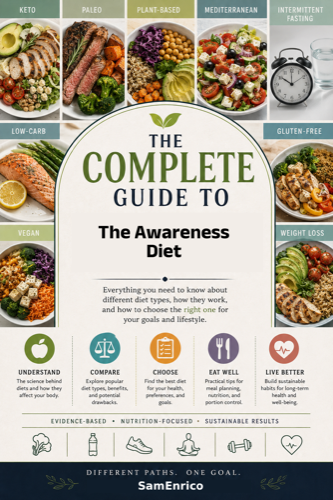 The Complete Guide to the Awareness DietCates Marquerite$11.99
 How to Become a Decorating-and-assembly SupervisorCates Marquerite$11.99
You may also like
 Hong Kong Handover 1997Dunn Johnnie$11.99
 Zumba For Postnatal Recovery CourseNeal Christian$11.99
 Zumba for BeginnersLadner Nikia$11.99
 YouTube Comment Mining GuideHumes Pandora$12.99
 Worry Box MeditationCarlin Rudy$11.99
 Workplace Stress MeditationNguyen Lynn$11.99
 Workplace Stress and Sleep RepairHawley Ivory$11.99
 Workplace Perfectionism CureDelaney Jeffry$11.99
 Workplace Injustice Anger GuideWallen Isabelle$11.99
 Work Addiction and Burnout LinkGreenwood Ester$11.99
 Women in Yoga and WellnessBeattie Galina$11.99
 Women in Stand Up ComedyChun Evangeline$11.99