
Free sample
Chapter 1: The Selection Paradox--–- On a rainy Tuesday afternoon in Seattle, a frustrated entrepreneur named Marcus stared at his laptop screen. He had spent the last six weeks building his new online store, meticulously curating product images, writing SEO-optimized descriptions, and setting up payment gateways. His traffic was growing, his email list was expanding, and his social media engagement was solid. But his conversion rate—the percentage of visitors who actually bought something—hovered at an embarrassing 0.7 percent. The industry average for his niche was 2.5 percent.
Something was fundamentally broken.Marcus had done everything by the book. He had read the blogs, watched the tutorials, and even hired a consultant to review his funnel. But there was one variable he had overlooked, one decision he had made in the first hour of his project that was now silently strangling his business. He had chosen a Word Press theme based entirely on how it looked in the demo.The theme he selected was gorgeous. It had a full-screen video background, animated product cards that flipped on hover, a sticky sidebar that followed users as they scrolled, and a mega-menu with five columns of category links.
In the demo, it looked like something from a Hollywood movie set. On Marcus’s actual site, with real hosting and real visitors, it was a slow, jittery, frustration-inducing disaster. His pages took over four seconds to load. On mobile devices—where 68 percent of his traffic came from—the layout shifted three times before settling, causing users to accidentally tap the wrong buttons. The animated product cards, which looked impressive on a desktop demo, caused the entire page to repaint on mobile, creating a stuttering effect that made users abandon their carts.Marcus is not alone.
Every single day, thousands of website owners make the exact same mistake. They choose a Word Press theme based on the wrong criteria, usually aesthetics or the number of features, and they pay for that decision with lost traffic, lost rankings, and lost revenue. The problem is not that these themes are inherently bad. The problem is that the traditional way of comparing themes—looking at demo sites, reading feature lists, and counting star ratings—is completely disconnected from what actually makes a website successful in 2026.This book exists to fix that problem. By the time you finish reading this chapter, you will understand why the old way of choosing themes…
This is the end of the free sample. Get the Audiobook to keep going. Buy now
About this book
Details
- Author
- Newman Alberta
- Publisher
- SamEnrico
- Language
- English
- Genre
- Non-Fiction, Self-Help / Web Design
- Released
- 2026-06-06
- Pages (approx.)
- 142
- Available as
- eBook, Audiobook

Listen in the VoxFlicks app
Audiobooks and audio dramas wherever you go. Sign in with your SamEnrico account and press play.
More by Newman Alberta
 The Community Garden FounderNewman Alberta$11.99
 Parenting Stress From Work Life ImbalanceNewman Alberta$11.99
 Mindfulness for Sales ProfessionalsNewman Alberta$11.99
 Military Town Rental GuideNewman Alberta$11.99
 Ketamine Therapy MDDNewman Alberta$11.99
 Founder Tax DeadlinesNewman Alberta$11.99
 Design Thinking For InsuranceNewman Alberta$11.99
 The Silent Rebellion: Prisoners Who Built the Panama CanalNewman Alberta$11.99
 The Last Stand at Shiroyama: Saigō Takamori's Final DefianceNewman Alberta$11.99
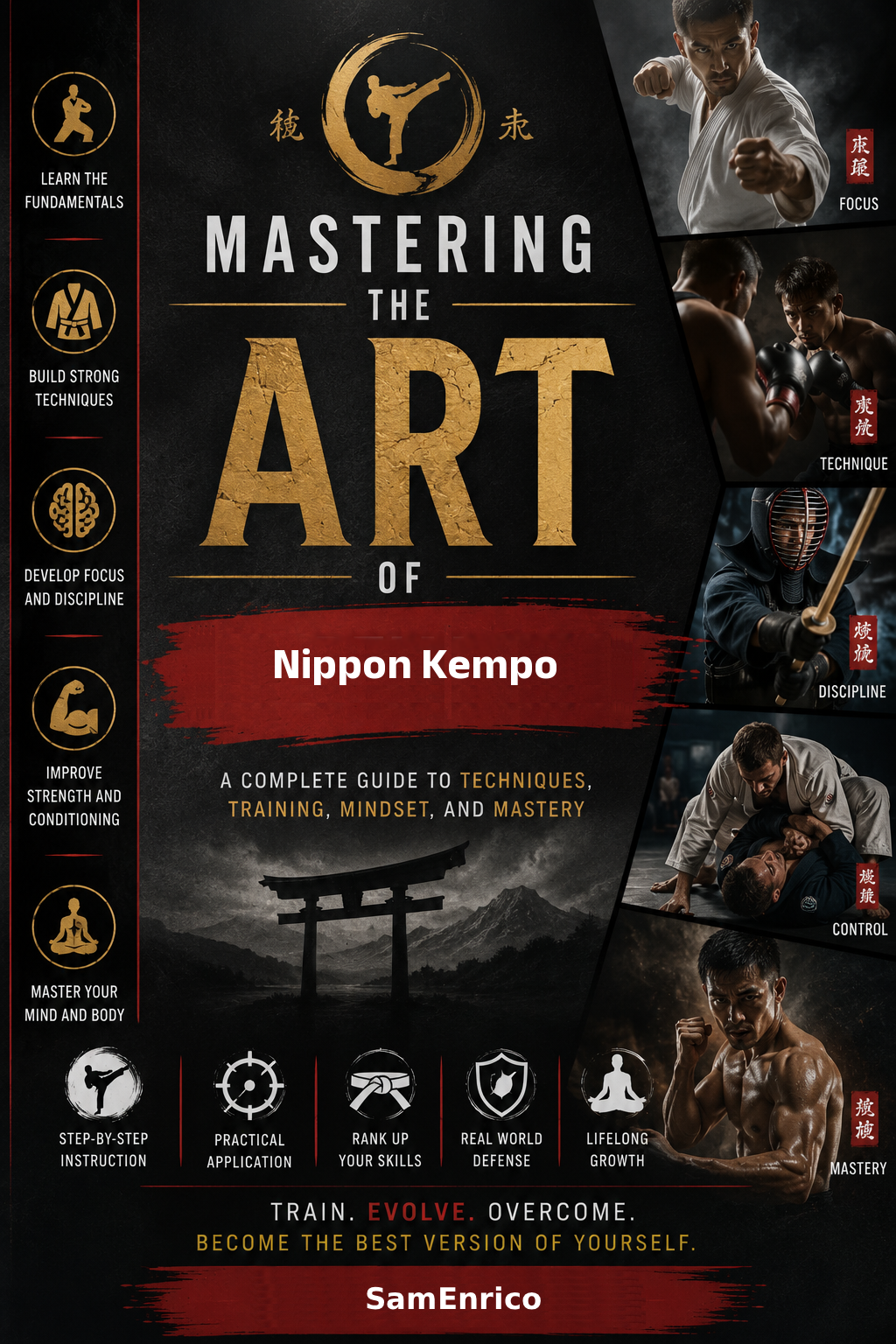 Mastering The Art of Nippon KempoNewman Alberta$11.99
 How to Produce Surgical GownsNewman Alberta$11.99
 How to Produce Hardware StockNewman Alberta$11.99
You may also like
 Hong Kong Handover 1997Dunn Johnnie$11.99
 Zumba For Postnatal Recovery CourseNeal Christian$11.99
 Zumba for BeginnersLadner Nikia$11.99
 YouTube Comment Mining GuideHumes Pandora$12.99
 Worry Box MeditationCarlin Rudy$11.99
 Workplace Stress MeditationNguyen Lynn$11.99
 Workplace Stress and Sleep RepairHawley Ivory$11.99
 Workplace Perfectionism CureDelaney Jeffry$11.99
 Workplace Injustice Anger GuideWallen Isabelle$11.99
 Work Addiction and Burnout LinkGreenwood Ester$11.99
 Women in Yoga and WellnessBeattie Galina$11.99
 Women in Stand Up ComedyChun Evangeline$11.99