
Non-FictionCrisis ManagementTravel Safety
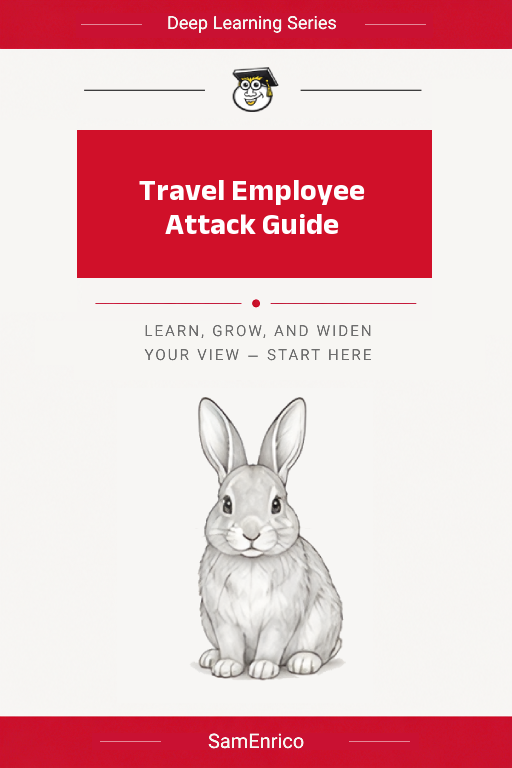
Travel Employee Attack Guide
Protect employees traveling in high-risk areas bef
Protect employees traveling in high-risk areas before terrorist attacks. Share threat assessments, emergency contacts, and rally points with traveling staff.
Formats
About this book
Free sample
Chapter 1: The Prediction Paradox...--–- The email arrived at 9:47 AM on a Tuesday. It was a standard State Department Travel Advisory, Level 3: "Reconsider Travel." The threat was "terrorism." The location was a capital city where fifty-two employees of a mid-sized engineering firm were scheduled to attend a conference in ten days. The company's head of security read the advisory, noted that it said the same thing it had said for the past eighteen months, and filed it away. Nine days later, a vehicle-borne improvised explosive device detonated outside the conference hotel. Seventeen people died.
Six were from that engineering firm. In the lawsuit that followed, the plaintiffs' attorney asked a single question that no one could answer: "If you knew the threat level was 'reconsider travel,' what did you actually do to assess the risk?"That question is the entire reason this chapter exists.Most corporate travel security programs fail at the first and most critical junction: they mistake reading a government travel advisory for conducting a risk assessment. These two activities are not the same. They are not even close. A travel advisory is a broad, politically influenced, legally conservative document designed for tourists and backpackers.
A risk assessment is a specific, dynamic, operationally actionable analysis designed for a particular employee, on a particular date, traveling to a particular hotel, using a particular route from the airport. The difference between the two is often the difference between an employee who comes home and one who does not.This chapter will teach you how to conduct what we call the Bona Fide Risk Assessment—a three-layered process that moves beyond the question "Is this country dangerous?" to the only questions that matter: "Is this specific trip necessary, and if so, what are the precise, mitigable risks along every segment of the journey?" You will learn why government advisories are legally useful but operationally slow—a distinction first introduced in the Introduction and maintained throughout this book. You will learn the Necessity Test, the first ethical gate that every trip must pass before any security planning begins. And you will learn how…
This is the end of the free sample. Get the eBook to keep going. Buy now
Contents
- Chapter 1
- Chapter 2
- Chapter 3
- Chapter 4
- Chapter 5
- Chapter 6
- Chapter 7
- Chapter 8
- Chapter 9
- Chapter 10
- Chapter 11
- Chapter 12
Details
- Author
- Jackson Alfonso
- Publisher
- SamEnrico
- Language
- English
- Genre
- Non-Fiction, Crisis Management, Travel Safety
- Released
- 2026-05-30
- Pages (approx.)
- 158
- Available as
- eBook, Audiobook

Read better in the ZLOADR app
Your eBooks on your phone or tablet. Sign in with your SamEnrico account and start reading.
More by Jackson Alfonso
 Red Tail Angels MemoirJackson Alfonso$11.99
 LSE Online Group ProjectsJackson Alfonso$11.99
 Body Scan Induction GuideJackson Alfonso$11.99
 The Ambassador's TailorJackson Alfonso$11.99
 The Opium Kingpins: How Europe's Drug Lords Laundered MillionsJackson Alfonso$11.99
 How to Produce Bicycle ToolsJackson Alfonso$11.99
 Stereotactic RadiosurgeryJackson Alfonso$11.99
 How to Start a Hobby in ChessJackson Alfonso$11.99
You may also like
 Hong Kong Handover 1997Dunn Johnnie$11.99
 Zumba For Postnatal Recovery CourseNeal Christian$11.99
 Zumba for BeginnersLadner Nikia$11.99
 YouTube Comment Mining GuideHumes Pandora$12.99
 Worry Box MeditationCarlin Rudy$11.99
 Workplace Stress MeditationNguyen Lynn$11.99
 Workplace Stress and Sleep RepairHawley Ivory$11.99
 Workplace Perfectionism CureDelaney Jeffry$11.99
 Workplace Injustice Anger GuideWallen Isabelle$11.99
 Work Addiction and Burnout LinkGreenwood Ester$11.99
 Women in Yoga and WellnessBeattie Galina$11.99
 Women in Stand Up ComedyChun Evangeline$11.99