Sprint Guide Five Day Design
Compress months of work into one week using Jake K
Compress months of work into one week using Jake Knapp s design sprint method.
Formats
About this book
Free sample
Chapter 1: The Pressure Cooker...--You have probably felt it. That sinking realization on a Wednesday afternoon that the project you started in January is still “in discovery” six months later. The Google Doc has 47 comment threads. The design team has produced twelve versions of the homepage. Engineering is building something else entirely because they couldn't wait for a decision.
Your competitors just launched a feature that does exactly what you were trying to do. And somewhere in the back of your mind, you know the truth: all those hours of meetings, all those carefully crafted slides, all those polite “let’s circle back” emails — they were not progress. They were theater.The design sprint exists because of that feeling. It was invented not as an academic exercise but as an act of professional rebellion against the slow, polite, consensus-driven machine that most organizations have become. This chapter tells the origin story of that rebellion, introduces the five non-negotiable principles that make sprints work, and forces you to confront the single hardest question any team will face before Monday morning: are you actually ready to sprint?The Origin Story: From Google Gmail to Google Ventures The year was 2010.
Jake Knapp was a design manager at Google, working on products you have heard of — Gmail, Google Meet, Google Search — and a few you have not. His job, on paper, was to make software better. But in practice, he spent most of his time in what he later called “the endless middle.” That was the phase after the initial excitement of an idea but before anything real existed. Teams would generate possibilities, debate them, generate more possibilities, debate those, create requirements documents, review the documents, revise the documents, schedule follow-up meetings to discuss the revisions, and then — months later — produce something that users immediately rejected because no one had actually asked a user.The problem was not laziness or stupidity. The problem was process theater.
Teams were rewarded for appearing thorough: more research, more data, more options, more meetings. No one ever got fired for asking for one more user study. But plenty…
This is the end of the free sample. Get the eBook to keep going. Buy now
Contents
- Chapter 1
- Chapter 2
- Chapter 3
- Chapter 4
- Chapter 5
- Chapter 6
- Chapter 7
- Chapter 8
- Chapter 9
- Chapter 10
- Chapter 11
- Chapter 12
Details
- Author
- Stockton Ward
- Publisher
- SamEnrico
- Language
- English
- Genre
- Non-Fiction, Self-Help, Design Sprint
- Released
- 2026-06-09
- Pages (approx.)
- 140
- Available as
- eBook, Audiobook

Read better in the ZLOADR app
Your eBooks on your phone or tablet. Sign in with your SamEnrico account and start reading.
More by Stockton Ward
 Urge Surfing for AnxietyStockton Ward$11.99
 Lagos Security PlanningStockton Ward$11.99
 High Pressure Job SurvivalStockton Ward$11.99
 Healthcare Proxy GuideStockton Ward$11.99
 Morning Affirmation GuideStockton Ward$11.99
 Grit for ArtistsStockton Ward$11.99
 Collaborative Sketching 101Stockton Ward$11.99
 The Gold Train Heist: Argentina's Greatest Armored Car Robbery (1947)Stockton Ward$11.99
 The Day Elvis Never Left: A Parallel Universe of Rock 'n' RollStockton Ward$11.99
 How to Start a Corrective Glasses Business (Beginners Guide)Stockton Ward$11.99
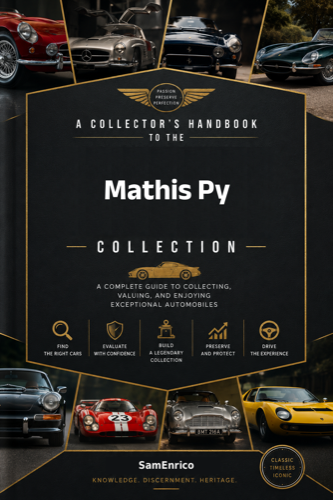 A Collector's Handbook to the Mathis PyStockton Ward$11.99
 Professional Fundraiser ReportsStockton Ward$12.99