

researchStudent's ShortcutSecondary Analysis
Research Proposal Secondary Data Analysis Audiobook
Use existing datasets from ICPSR, NHANES, or other
by Whelan Magen
Use existing datasets from ICPSR, NHANES, or other repositories.
Formats
Free sample
Chapter 1: The Silent Goldmine--–- Every day, thousands of researchers throw away perfectly good data. They design surveys from scratch, recruit participants one by one, and spend months—sometimes years—cleaning information that already exists, fully formed, in a digital archive somewhere. This is the hidden tragedy of modern social science and public health: the assumption that original data is inherently superior, when in fact, reusing existing datasets is often not only cheaper and faster but also methodologically stronger.The purpose of this chapter is to fundamentally reframe how you think about research. By the time you finish reading, the phrase “collect your own data” will no longer sound like the default option. Instead, you will see it as one choice among many—and often the least efficient one.
We will dismantle the myths that surround secondary data analysis, introduce the major repositories that make this work possible (with special attention to ICPSR and NHANES), walk through the ethical landscape that is actually simpler than primary research in many ways, and set you on a path to writing a proposal that leverages existing data as a strength, not a limitation.The Myth of Original Data Superiority Why do so many researchers default to collecting their own data? The reasons are rarely rational. There is a deep-seated academic culture that valorizes the “original study”—the investigator who goes into the field, designs the questionnaire, and returns with fresh numbers. This myth persists despite overwhelming evidence that secondary data analysis produces equally valid, often more replicable, and sometimes more groundbreaking findings.Consider the following comparison. A primary researcher studying the relationship between childhood nutrition and adult cognitive outcomes would need to recruit a cohort of children, track them for twenty years, maintain funding, prevent attrition, and then finally analyze the data.
A secondary researcher can download the National Longitudinal Survey of Youth 1979 (NLSY79) from ICPSR, which has already followed a cohort from age 14 to their 60s, and have publishable results in six months. The secondary researcher is not cheating or taking a shortcut. They are standing on the shoulders of a massive public investment.The myth of superiority often rests on three incorrect assumptions. First, that original data is more trustworthy because you know exactly how it was collected. But primary researchers make just as many errors in survey design, sampling, and data entry as secondary repositories—and unlike repositories, they rarely…
This is the end of the free sample. Get the Audiobook to keep going. Buy now
About this book
Details
- Author
- Whelan Magen
- Publisher
- SamEnrico
- Language
- English
- Genre
- research, Student's Shortcut, Secondary Analysis
- Released
- 2026-06-09
- Pages (approx.)
- 155
- Available as
- eBook, Audiobook

Listen in the VoxFlicks app
Audiobooks and audio dramas wherever you go. Sign in with your SamEnrico account and press play.
More by Whelan Magen
 Assignment Deadline Pressure PlanWhelan Magen$11.99
 Tax Accountant April Stress GuideWhelan Magen$11.99
 Panic Phobia ComorbidityWhelan Magen$11.99
 Normal vs Inferior GoodsWhelan Magen$11.99
 Metaphor Scripting GuideWhelan Magen$11.99
 Surfing Wave Reading HypnosisWhelan Magen$11.99
 JoJo Siwa BowWhelan Magen$11.99
 The Silent Revolution: How a 12-Year-Old Girl Sparked a Global MovementWhelan Magen$11.99
 The Sky Serpents of Baalbek: The First Aerial Onslaught (1200 BC)Whelan Magen$11.99
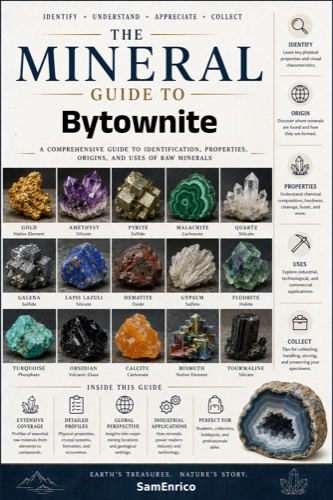 The Mineral Guide to BytowniteWhelan Magen$11.99
 Growing DipeltaWhelan Magen$11.99
 Digital Billboard AdvertisingWhelan Magen$11.99
You may also like
 Scientific Research On TM GuideMartens Nathanial$11.99
 Research Proposal Methodology Section MasteryPauley Debroah$11.99
 Research Proposal Appendix CompilationRaines Tyisha$11.99
 Academic Researcher Distraction GuideFord Virgil$11.99
 TM Research and ScienceCovert Nicki$11.99
 Social Anxiety Research ReviewRoberge Cole$11.99
 Research Proposal Significance Section GuideBock Tory$12.99
 Research Proposal Reviewer PsychologyLugo Tawanda$11.99
 Research Proposal Research Questions DesignLara Robbi$11.99
 Research Proposal References and CitationsPatten Shanice$11.99
 Research Proposal Mixed Methods DesignCameron Omega$11.99
 Research Proposal Data Management PlanAnderson Roberto$12.99