
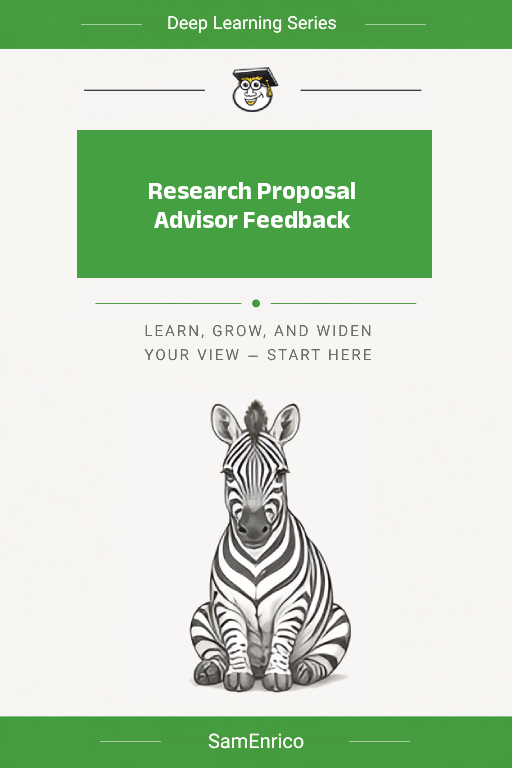
Research Proposal Advisor Feedback Audiobook
Request and incorporate feedback from potential ad
Request and incorporate feedback from potential advisors before proposal submission.
Formats
Free sample
Chapter 1: The Seventy-Percent Draft--Chapter 1: The Seventy-Percent Draft--The worst time to show your advisor your research proposal is when you think it is finished. This statement sounds counterintuitive, perhaps even reckless. After all, years of academic training have taught you to never submit anything less than your best work. You have internalized the fear of looking unprepared, the shame of being caught with dangling participles or weak arguments, the deep anxiety that your advisor will conclude you do not belong in graduate school. So you polish.
You revise. You perfect. And then, only when the document gleams with what you believe is readiness, you send it. And then your advisor returns it covered in red ink, questioning your research question, your methodology, your entire premise. You wonder how they could have missed the brilliance you so carefully polished.
The answer is simple: you shared too late, and you shared too perfectly.This chapter introduces a concept that will challenge everything you think you know about sharing drafts with advisors: the Seventy-Percent Draft. This is not a metaphor for incomplete work. It is a strategic framework for maximizing the value of your advisor’s limited time, expertise, and attention. The Seventy-Percent Draft is a draft that has a clear argument, complete section headings, at least one substantial paragraph per section, and—most critically—a set of unresolved questions that you have explicitly identified. It is a draft that is structurally sound but intellectually unfinished.
It is a draft that says to your advisor, “I have done my homework, and now I need your expertise to help me see what I cannot see alone.”The psychology behind the Seventy-Percent Draft is rooted in a fundamental distinction that most graduate students never learn: the difference between writer-based prose and reader-based prose. This distinction, originally articulated by composition theorist Linda Flower, explains why your beautifully polished draft so often confuses your advisor. Writer-based prose is organized around the writer’s own thought process. It follows the logic of discovery rather than the logic of argument. It includes assumptions that the writer does not even recognize as assumptions because they are so deeply embedded in the writer’s own cognitive landscape.
Writer-based prose makes perfect sense to the person who wrote it. To an outsider, it is often incoherent.Reader-based prose, by contrast, is organized around the needs of an audience. It anticipates confusion. It defines terms…
This is the end of the free sample. Get the Audiobook to keep going. Buy now
About this book
Details
- Author
- Samuel Georgeann
- Publisher
- SamEnrico
- Language
- English
- Genre
- research, Student's Shortcut
- Released
- 2026-06-01
- Pages (approx.)
- 149
- Available as
- eBook, Audiobook

Listen in the VoxFlicks app
Audiobooks and audio dramas wherever you go. Sign in with your SamEnrico account and press play.
More by Samuel Georgeann
 Flashcard MasterySamuel Georgeann$11.99
 Phone Addiction Breakthrough GuideSamuel Georgeann$11.99
 CrossFit Pregnancy GuideSamuel Georgeann$11.99
 Small Talk for Chronic Pain SufferersSamuel Georgeann$11.99
 Asana Task ManagementSamuel Georgeann$11.99
 Bipolar Medication Side EffectsSamuel Georgeann$11.99
 Circadian Rhythm StabilizationSamuel Georgeann$11.99
 Emotional Vocabulary Expansion GuideSamuel Georgeann$11.99
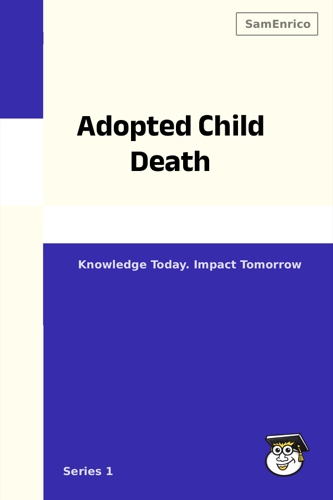 Adopted Child DeathSamuel Georgeann$11.99
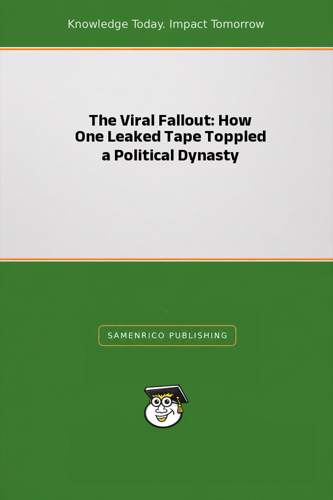 The Viral Fallout: How One Leaked Tape Toppled a Political DynastySamuel Georgeann$11.99
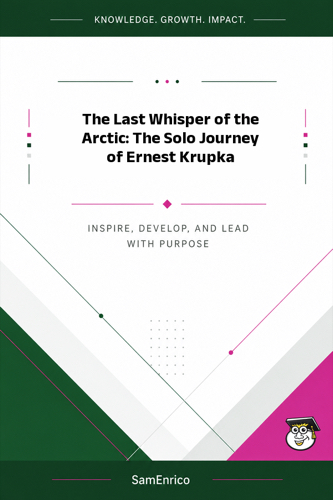 The Last Whisper of the Arctic: The Solo Journey of Ernest KrupkaSamuel Georgeann$11.99
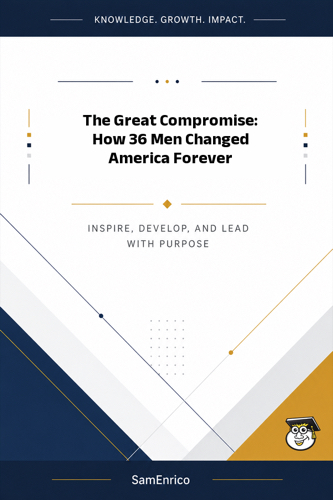 The Great Compromise: How 36 Men Changed America ForeverSamuel Georgeann$11.99
You may also like
 Scientific Research On TM GuideMartens Nathanial$11.99
 Research Proposal Methodology Section MasteryPauley Debroah$11.99
 Research Proposal Appendix CompilationRaines Tyisha$11.99
 Academic Researcher Distraction GuideFord Virgil$11.99
 TM Research and ScienceCovert Nicki$11.99
 Social Anxiety Research ReviewRoberge Cole$11.99
 Research Proposal Significance Section GuideBock Tory$12.99
 Research Proposal Reviewer PsychologyLugo Tawanda$11.99
 Research Proposal Research Questions DesignLara Robbi$11.99
 Research Proposal References and CitationsPatten Shanice$11.99
 Research Proposal Mixed Methods DesignCameron Omega$11.99
 Research Proposal Data Management PlanAnderson Roberto$12.99