
Non-FictionHealth & WellnessCaffeine
PMS And Caffeine Sensitivity eBook
Reduce coffee in luteal to lessen breast tendernes
Reduce coffee in luteal to lessen breast tenderness, anxiety, and sleep disruption before your period.
Formats
Free sample
Chapter 1: The Hidden Conflict...--It begins the same way every month. You wake up tired—bone-tired, the kind of fatigue that sleep alone cannot fix. Your body feels heavy, your breasts ache when you walk down the stairs, and your patience has evaporated like morning dew on a hot sidewalk. The smallest sound irritates you. The thought of your inbox makes your chest tighten.
And somewhere around 2:00 PM, when the fatigue becomes unbearable, you reach for it—your second cup of coffee, or your third, or perhaps that strong black tea you keep in your desk drawer for emergencies.You tell yourself you need it. You deserve it. After all, you are surviving another premenstrual week.What you do not yet realize is that this very cup—the one you are holding right now—is the reason you feel this way.This is the hidden conflict at the heart of premenstrual syndrome, and it is one of the most overlooked, underappreciated, and quietly destructive patterns in women's health. You are drinking caffeine to fix the symptoms that caffeine itself is creating. And until you see this pattern for what it is, you will remain trapped in a monthly cycle of fatigue, anxiety, breast pain, and sleepless nights—blaming your hormones when the real culprit is sitting in your favorite mug.This book exists to break that cycle.The Scope: A Nearly Universal Experience Let us begin with a number that should stop you cold: ninety percent.
According to decades of epidemiological research, including large-scale longitudinal studies involving over 40,000 women, up to 90% of women of reproductive age report experiencing at least one physical or psychological symptom in the days leading up to their period. For approximately 20–30% of these women, symptoms are severe enough to interfere with daily functioning. For 3–8%, the symptoms meet the diagnostic criteria for premenstrual dysphoric disorder (PMDD), a severe and debilitating condition.These symptoms include, but are not limited to: fatigue, breast tenderness, bloating, irritability, anxiety, depression, insomnia, food cravings, brain fog, headaches, joint pain, and a crushing sense of being overwhelmed by ordinary life. If you are reading this book, you likely recognize several of these symptoms as your own monthly companions.Here is what the research also shows, though it is rarely mentioned in patient handouts or doctor visits: caffeine consumption increases during the luteal phase. Not because women have poor self-control, but because they are genuinely exhausted.
The hormonal shifts of the second half of the menstrual cycle—specifically the rise of progesterone and the subsequent drop in serotonin—produce a type of fatigue that feels biological, unavoidable, and profound. In response, women reach for stimulants. Coffee sales spike. Energy drinks disappear from office fridges. Tea bags accumulate in trash cans.It makes perfect sense.
You are tired, so you seek energy. What could be more logical?The problem is that this logic collapses under the weight of basic human biology. Because while caffeine provides a temporary energy boost—usually lasting 30 to 60 minutes for peak effect, followed by a gradual decline—it simultaneously worsens the very symptoms you are trying to alleviate. The breast tenderness that sent you reaching for ibuprofen? Caffeine makes it worse.
The anxiety that has you avoiding phone calls and social plans? Caffeine amplifies it. The insomnia that leaves you staring at the ceiling at 2:00 AM? Caffeine is the architect of that sleeplessness, disguised as your afternoon pick-me-up.This is the hidden conflict. Your solution is your poison.
And you have been sold a lie that the only way through the luteal phase is to power through with stimulants.The Two Phases: A Tale of Two Hormones To understand why caffeine turns on you during the second half of your cycle—and why it serves you perfectly well during the first half—you need a basic map of your menstrual cycle. Not the oversimplified version you learned in middle school health class, but a functional, practical understanding of how your hormones interact with the substances you put into your body.The average menstrual cycle lasts 28 days, though normal cycles range from 21 to 35 days. For the purposes of this book, we will use the 28-day model as a reference while acknowledging that your individual cycle may differ. What matters is not the exact day number but the hormonal phase you are in.The Follicular Phase: Days 1 through 14, give or take This phase begins on the first day of your period. Estrogen levels are at their lowest during menstruation, which is why many women feel tired and crampy for the first two to three days.
But as bleeding continues, something remarkable happens: estrogen begins to rise. Slowly at first, then more steeply as you approach ovulation around day 14.Estrogen is, in many ways, a performance-enhancing hormone for the brain. It increases blood flow to the cerebral cortex. It enhances the activity of neurotransmitters like serotonin, dopamine, and acetylcholine. It promotes synaptic plasticity, meaning your brain cells communicate more efficiently.
And crucially for our purposes, estrogen upregulates the activity of a specific liver enzyme called CYP1A2.CYP1A2 is responsible for metabolizing caffeine. When estrogen is high, as it is in the late follicular phase, CYP1A2 works at maximum efficiency. Your liver processes caffeine quickly and cleanly, typically clearing about half of the caffeine from your bloodstream every four to six hours. A cup of coffee in the morning provides smooth, focused energy that dissipates by early afternoon, leaving you free to sleep soundly at night.During this phase, caffeine feels like an ally. It sharpens your thinking.
It lifts your mood. It gives you the energy to exercise, work, and socialize. This is why most women do not realize they have a caffeine sensitivity problem at all—because for half of every month, they do not.The Luteal Phase: Days 15 through 28Then ovulation happens. An egg is released from the ovary. The ruptured follicle transforms into a structure called the corpus luteum, which begins pumping out progesterone in massive quantities.
Progesterone is the dominant hormone of the luteal phase, and it is the chemical opposite of estrogen in almost every way that matters for caffeine sensitivity.Progesterone does not enhance brain function; it calms it. Progesterone binds to GABA receptors in your central nervous system—GABA being the primary inhibitory neurotransmitter responsible for reducing neural excitability. This is why many women feel more introverted, less motivated, and generally "slowed down" during the luteal phase. It is not laziness; it is neurochemistry.But here is where the conflict becomes dangerous. Progesterone also inhibits CYP1A2, the same liver enzyme that estrogen activated.
When progesterone rises, your liver's ability to metabolize caffeine plummets. The half-life of caffeine—the time it takes for your body to eliminate half of what you consumed—extends from 4–6 hours to 8–10 hours, and sometimes longer in women with particularly high progesterone levels or genetic variations in CYP1A2.Let me make this concrete. That coffee you drink at 2:00 PM on day 21 of your cycle is still 50% active in your bloodstream at 10:00 PM. At midnight, 25% of that caffeine is still circulating, blocking adenosine receptors, suppressing melatonin, and keeping your nervous system in a state of low-grade activation.…
This is the end of the free sample. Get the eBook to keep going. Buy now
About this book
Details
- Author
- Mcintosh Marilynn
- Publisher
- SamEnrico
- Language
- English
- Genre
- Non-Fiction, Health & Wellness, Caffeine
- Released
- 2026-06-09
- Pages (approx.)
- 152
- Available as
- eBook, Audiobook

Read better in the ZLOADR app
Your eBooks on your phone or tablet. Sign in with your SamEnrico account and start reading.
More by Mcintosh Marilynn
 Sex Addiction And Childhood Emotional Neglect GuideMcintosh Marilynn$11.99
 Dreams After Job Loss TraumaMcintosh Marilynn$11.99
 Dream Processing for Frontline NursesMcintosh Marilynn$11.99
 The Last Pharaoh's SecretMcintosh Marilynn$11.99
 The Ghosts of Mount Sabyinyo: A Deadly Descent in the Virunga VolcanoesMcintosh Marilynn$11.99
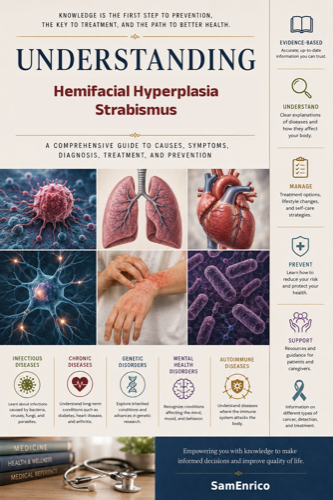 Understanding Hemifacial Hyperplasia StrabismusMcintosh Marilynn$17.99
 Renewable Energy Carbon Credit OutlookMcintosh Marilynn$12.99
 Global University Rankings Decoder ManualMcintosh Marilynn$12.99
 How to Become a Seasoning MixerMcintosh Marilynn$11.99
 House CoordinatorMcintosh Marilynn$11.99
You may also like
 Hong Kong Handover 1997Dunn Johnnie$11.99
 Zumba For Postnatal Recovery CourseNeal Christian$11.99
 Zumba for BeginnersLadner Nikia$11.99
 YouTube Comment Mining GuideHumes Pandora$12.99
 Worry Box MeditationCarlin Rudy$11.99
 Workplace Stress MeditationNguyen Lynn$11.99
 Workplace Stress and Sleep RepairHawley Ivory$11.99
 Workplace Perfectionism CureDelaney Jeffry$11.99
 Workplace Injustice Anger GuideWallen Isabelle$11.99
 Work Addiction and Burnout LinkGreenwood Ester$11.99
 Women in Yoga and WellnessBeattie Galina$11.99
 Women in Stand Up ComedyChun Evangeline$11.99