

Non-FictionForecast & OutlookMetaverse Retail
Metaverse Commerce Five Year View
Forecast virtual goods, digital fashion, and immer
by Simon Doyle
Forecast virtual goods, digital fashion, and immersive store adoption including platform investment and user readiness.
Formats
About this book
Free sample
Chapter 1: The Great Correction--–- In late 2023, a little-known fashion brand called Brandventure spent 4.3milliononavirtualplotoflandinahypedmetaverseplatform.Theyhiredarchitectstodesignafloatingdigitalstorefront,stockeditwith NFTsneakers,andthrewalaunchpartyattendedby12,000avatars.Sixmonthslater,theplatform′sdailyactiveusershaddroppedby94percent.Thelandwasworth4.3 million on a virtual plot of land in a hyped metaverse platform. They hired architects to design a floating digital storefront, stocked it with NFT sneakers, and threw a launch party attended by 12,000 avatars. Six months later, the platform's daily active users had dropped by 94 percent. The land was worth 4.3milliononavirtualplotoflandinahypedmetaverseplatform.Theyhiredarchitectstodesignafloatingdigitalstorefront,stockeditwith NFTsneakers,andthrewalaunchpartyattendedby12,000avatars.Sixmonthslater,theplatform′sdailyactiveusershaddroppedby94percent.Thelandwasworth42,000. The sneakers never sold.
The CEO was fired.That story—names changed but details real—became the cautionary tale of the first metaverse boom. Between 2021 and 2025, corporations and venture capital firms poured an estimated $120 billion into what they called the "metaverse." They bought virtual real estate, built branded worlds, minted millions of NFTs, and hired executive Vice Presidents of Metaverse Strategy with six-figure salaries. Then came the crash. Platform closures. Asset devaluation.
Layoffs. Scornful headlines. The Metaverse Winter, as it came to be known, was declared dead by pundits who had never believed in it to begin with.But they were wrong about what died. And they were wrong about why.This chapter argues a counterintuitive thesis: the Metaverse Winter was not a failure. It was a healthy, necessary, and long-overdue correction.
The speculation, the land grabs, the vanity projects—those deserved to die. What emerged from the ashes is something far more valuable: a disciplined, return-on-investment-driven, utility-first approach to immersive commerce that will define retail from 2026 through 2031. This chapter dissects the investment cycle, reveals where the surviving budgets are being reallocated, and provides a framework for evaluating metaverse investments through the lens of payback periods, integration with existing infrastructure, and measurable outcomes. Most importantly, it establishes the foundational distinction that runs throughout this book: the difference between territory and utility.The Anatomy of a Bubble: 2021–2025To understand where commerce is going, we must first understand where capital went wrong. The first metaverse boom exhibited all the classic signs of a speculative bubble: euphoria, narrative-driven investment, fear of missing out, and a near-total absence…
This is the end of the free sample. Get the eBook to keep going. Buy now
Contents
- Chapter 1
- Chapter 2
- Chapter 3
- Chapter 4
- Chapter 5
- Chapter 6
- Chapter 7
- Chapter 8
- Chapter 9
- Chapter 10
- Chapter 11
- Chapter 12
Details
- Author
- Simon Doyle
- Publisher
- SamEnrico
- Language
- English
- Genre
- Non-Fiction, Forecast & Outlook, Metaverse Retail
- Released
- 2026-06-01
- Pages (approx.)
- 143
- Available as
- eBook, Audiobook

Read better in the ZLOADR app
Your eBooks on your phone or tablet. Sign in with your SamEnrico account and start reading.
More by Simon Doyle
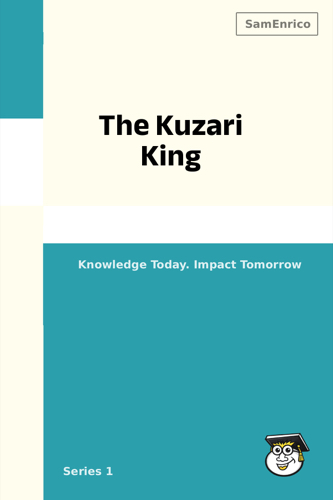 The Kuzari KingSimon Doyle$11.99
 Cold Exposure for HGH ReleaseSimon Doyle$11.99
 Self Hypnosis for Imposter SyndromeSimon Doyle$11.99
 The Twin Parent Stress GuideSimon Doyle$11.99
 Anger Management Twelve Step GuideSimon Doyle$11.99
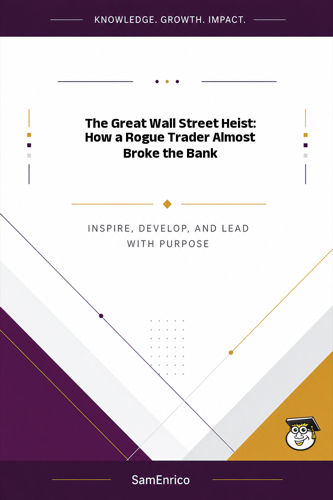 The Great Wall Street Heist: How a Rogue Trader Almost Broke the BankSimon Doyle$11.99
 Echoes of the Great Emu War: When Birds Outsmarted an ArmySimon Doyle$11.99
 Understanding Brain STEM NeoplasmsSimon Doyle$17.99
 Ultimate Handbook Guide to Qidong : (China) Travel GuideSimon Doyle$11.99
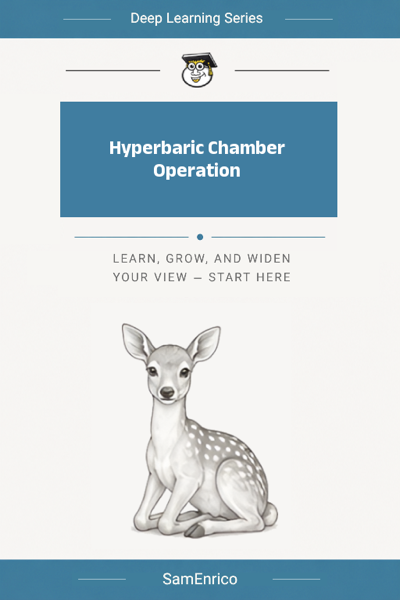 Hyperbaric Chamber OperationSimon Doyle$11.99
You may also like
 Hong Kong Handover 1997Dunn Johnnie$11.99
 Zumba For Postnatal Recovery CourseNeal Christian$11.99
 Zumba for BeginnersLadner Nikia$11.99
 YouTube Comment Mining GuideHumes Pandora$12.99
 Worry Box MeditationCarlin Rudy$11.99
 Workplace Stress MeditationNguyen Lynn$11.99
 Workplace Stress and Sleep RepairHawley Ivory$11.99
 Workplace Perfectionism CureDelaney Jeffry$11.99
 Workplace Injustice Anger GuideWallen Isabelle$11.99
 Work Addiction and Burnout LinkGreenwood Ester$11.99
 Women in Yoga and WellnessBeattie Galina$11.99
 Women in Stand Up ComedyChun Evangeline$11.99