
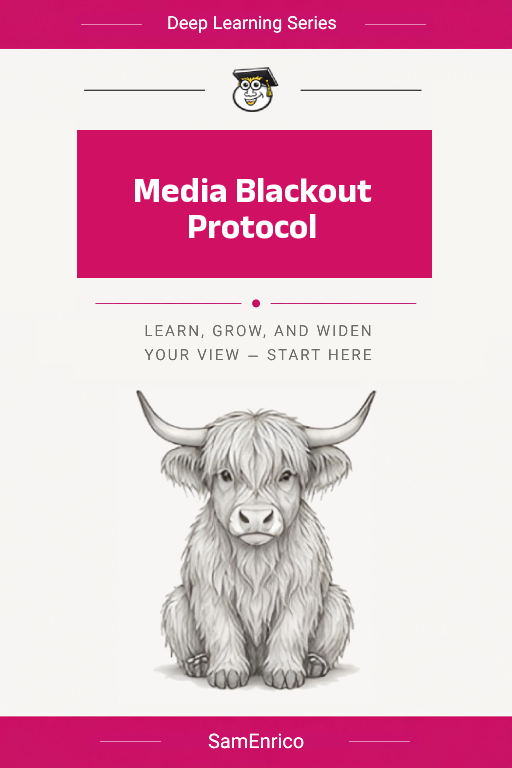
Non-FictionCrisis ManagementMedia
Media Blackout Protocol
Restrict employee media interviews after terrorist
by Gray Sandra
Restrict employee media interviews after terrorist attacks. Designate spokespersons, avoid speculation, and protect ongoing investigation integrity.
Formats
About this book
Free sample
Chapter 1: The Vacuum Effect...--–- The first hour after a terrorist attack is not measured in minutes. It is measured in frames. Between the moment the first shot is fired or the first explosive detonates and the moment a trained spokesperson steps before a camera, there exists a window of approximately 1,200 to 1,800 frames of video—sixty seconds for every thirty frames per second—during which the story belongs to whoever talks first. And someone will always talk first. The only question is whether that someone works for you, has been trained by you, or is a panicked employee standing in a parking lot with a reporter’s microphone in their face, speculating about things they do not understand.In the crisis communication literature that forms the backbone of this book—drawing from the exhaustive case files of Coleman, Segal, and Ben Horin—there is a term for this phenomenon that has never before been fully operationalized for corporate security teams.
It is called the Vacuum Effect. And it is the single greatest threat to investigative integrity and organizational survival in the first seventy-two hours following a mass casualty event. The Vacuum Effect operates on a simple, brutal principle: nature abhors a vacuum, and so does the twenty-four-hour news cycle. When official information is absent, journalists do not wait. They fill the void with whatever they can find.
And what they find first is almost never accurate.This chapter dismantles the anatomy of that media frenzy frame by frame. It explains why passive silence—the instinct to say “no comment” while you wait for verified facts—is not a protective strategy but an invitation to chaos. It introduces the core distinction that will govern every protocol in this book: the difference between active strategic silence (controlled, timed, minimal messaging) and passive silent refusal (the lethal “no comment” that cedes control of the narrative to the first person with a pulse and a mouth). And it provides the foundational case studies—the Boston Marathon bombing of 2013, the 2015 San Bernardino attack, and a previously unreported Fortune 500 incident—that demonstrate how a single unverified employee…
This is the end of the free sample. Get the eBook to keep going. Buy now
Contents
- Chapter 1
- Chapter 2
- Chapter 3
- Chapter 4
- Chapter 5
- Chapter 6
- Chapter 7
- Chapter 8
- Chapter 9
- Chapter 10
- Chapter 11
- Chapter 12
Details
- Author
- Gray Sandra
- Publisher
- SamEnrico
- Language
- English
- Genre
- Non-Fiction, Crisis Management, Media
- Released
- 2026-05-30
- Pages (approx.)
- 140
- Available as
- eBook, Audiobook

Read better in the ZLOADR app
Your eBooks on your phone or tablet. Sign in with your SamEnrico account and start reading.
More by Gray Sandra
 Mountain Descent InductionGray Sandra$11.99
 The Visa That Saved UsGray Sandra$11.99
 Ambassador's Daily CableGray Sandra$11.99
 NVC For Therapeutic SettingsGray Sandra$11.99
 The Siege of Malacca: Blood and Spices in the East (1511)Gray Sandra$11.99
 How to Produce Bicycle Training WheelsGray Sandra$11.99
 How to Start a Hobby in Cheese TastingGray Sandra$11.99
 Sustainable Growth for High-Output CreatorsGray Sandra$11.99
You may also like
 Hong Kong Handover 1997Dunn Johnnie$11.99
 Zumba For Postnatal Recovery CourseNeal Christian$11.99
 Zumba for BeginnersLadner Nikia$11.99
 YouTube Comment Mining GuideHumes Pandora$12.99
 Worry Box MeditationCarlin Rudy$11.99
 Workplace Stress MeditationNguyen Lynn$11.99
 Workplace Stress and Sleep RepairHawley Ivory$11.99
 Workplace Perfectionism CureDelaney Jeffry$11.99
 Workplace Injustice Anger GuideWallen Isabelle$11.99
 Work Addiction and Burnout LinkGreenwood Ester$11.99
 Women in Yoga and WellnessBeattie Galina$11.99
 Women in Stand Up ComedyChun Evangeline$11.99