
Non-FictionSelf-HelpImmigration
Immigrant Resilience Guide eBook
Overcome cultural barriers and build success in a
Overcome cultural barriers and build success in a new country.
Formats
Free sample
Chapter 1: The Invisible Backpack--Every immigrant I have ever met carries something they did not choose to pack.It arrived with them in the suitcase they wheeled through customs, tucked between the framed photograph of a grandmother and the winter coat for a climate they had never experienced. But unlike the coat or the photograph, this cargo has no weight you can measure on a scale. You cannot declare it at the border. You cannot pay an excess baggage fee to leave it behind. And yet, it shapes every decision you make in your new country: how you speak, how you dress, how you negotiate, how you parent, how you apologize for things that were never your fault to begin with.I call this cargo the Invisible Backpack.You have one.
I have one. Every person who has ever left their homeland and attempted to build a life somewhere else carries one. The backpack contains your values, your communication style, your family expectations, your relationship to authority, your definition of success, your rituals, your trauma, and your inherited sense of what is normal. It was packed for you by your parents, your teachers, your religious leaders, your village elders, your coaches, your aunts who pinched your cheeks and told you what kind of person you should become. You did not interview for the contents.
You did not sign a waiver. You simply absorbed them, the way a sponge absorbs whatever liquid it sits in.For most of your life, you did not even notice the backpack. It was simply you. Your culture was not a costume you put on in the morning; it was the air you breathed. But then you arrived in a new country, and suddenly the air changed.
The rules shifted. The things that made you respectable at home made you invisible here. The humility that earned you praise from your elders now reads as low confidence in a performance review. The deference to authority that kept your family safe now marks you as someone who cannot lead. The indirect communication that preserved harmony in your community now frustrates your colleagues, who tell you to "just say what you mean."And so you face a choice that no one warned you about.
You can try to throw the entire backpack away—to become someone new, to erase your accent, to abandon your rituals, to adopt the new culture so completely that your old self becomes a stranger to you. Many immigrants attempt this. It is exhausting. It is lonely. And it rarely works, because the people you are trying to impress can smell the performance from across the room.Or you can keep the backpack closed and pretend nothing has changed.
You can stay inside your ethnic enclave, speak only your home language, celebrate only your home holidays, and build a parallel life that touches the new country only when absolutely necessary. This is less exhausting, but it is also limiting. You will never fully access the opportunities of your new home. Your children will drift away from you. And you will always feel like a guest, never a resident.There is a third way.
This book is about the third way.You can open the backpack.You can lay its contents out on the floor, one by one, and ask yourself a question that your culture never permitted you to ask: Do I actually want to keep this?Not "Did my mother want me to keep this?" Not "Would my village respect me if I kept this?" Not "Is this the way people like me are supposed to behave?" But you. The person you are becoming. The person you choose to be.This chapter is the beginning of that audit. It will teach you to distinguish between what I call Cultural Load—the dysfunctional patterns, limiting beliefs, and inherited obligations that no longer serve you—and your Personal Identity—what you truly believe versus what you were told to believe. It will introduce the Collectivist vs.
Individualist lens, a framework we will return to throughout this book because it explains so much of the friction immigrants experience. And it will give you a practical method for deciding what to keep, what to adapt, and what to leave behind.By the end of this chapter, you will not have solved your identity crisis. That would be impossible in fifty pages. But you will have a tool for solving it yourself, one item at a time, for the rest of your life.Let us begin.The Backpack That Packs Itself Here is what most people misunderstand about cultural identity.They think it is something you choose, like a college major or a pair of shoes. You wake up one morning and decide, "Today I will be Italian" or "Today I will be Buddhist" or "Today I will value family above career." And then you simply enact that choice until it becomes habit.That is not how culture works.Culture is what you learned before you had the language to question it.
It is the water you swam in before you knew you were wet. By the time you were seven years old, you had already absorbed the emotional grammar of your home culture: how close to stand to someone when speaking, whether to look an elder in the eye, whether to speak before being spoken to, whether to interpret silence as agreement or disagreement or discomfort or respect. No one taught you these things with a lecture. You learned them by watching, by being corrected with a look, by the thousand small reinforcements of approval and disapproval that shaped your nervous system before your prefrontal cortex had even finished developing.This is why the Invisible Backpack is so hard to open. The contents are not intellectual beliefs that you can simply examine and discard.
They are embodied. They live in your posture, your vocal tone, your reflexive apology when someone bumps into you, your instinct to feed a guest before you eat yourself, your inability to say "no" to a family member even when saying "yes" destroys your week. These patterns are not opinions. They are reflexes.And here is the cruel irony of immigration: the very reflexes that made you a good person in your home culture are often the reflexes that make you an ineffective person in your new culture.Let me give you an example.I worked with a client named Priya, a software engineer from Chennai who had moved to San Francisco. In India, Priya had been praised her entire life for her humility.
When her manager complimented her work, she would say, "Oh, it was nothing, anyone could have done it." When she was asked to lead a project, she would hesitate and say, "I am not sure I am the best person, but I will try my best." These responses were not false modesty. They were genuine. In her cultural context, drawing attention to your own achievements was considered vulgar. The proper response to praise was to deflect it. The proper response to an opportunity was to express doubt about your worthiness, thereby showing that you did not suffer from the sin of…
This is the end of the free sample. Get the eBook to keep going. Buy now
About this book
Details
- Author
- Bickford Nila
- Publisher
- SamEnrico
- Language
- English
- Genre
- Non-Fiction, Self-Help, Immigration
- Released
- 2026-06-10
- Pages (approx.)
- 149
- Available as
- eBook, Audiobook

Read better in the ZLOADR app
Your eBooks on your phone or tablet. Sign in with your SamEnrico account and start reading.
More by Bickford Nila
 MFS Africa Cross Border ExitBickford Nila$12.99
 Worry Time TechniqueBickford Nila$11.99
 Mindfulness for Nail BitingBickford Nila$11.99
 Pandemic Grief DisorderBickford Nila$11.99
 Founder Controller GuideBickford Nila$11.99
 Partnership Tax Allocation CourseBickford Nila$11.99
 Parenting Stress From BedwettingBickford Nila$11.99
 Single Parent Anger GuideBickford Nila$11.99
 The Phoenix Protocol: How the Internet Survived the Dot-Com CrashBickford Nila$11.99
 The OxyContin Empire: How Purdue Pharma Built a Painkiller DynastyBickford Nila$11.99
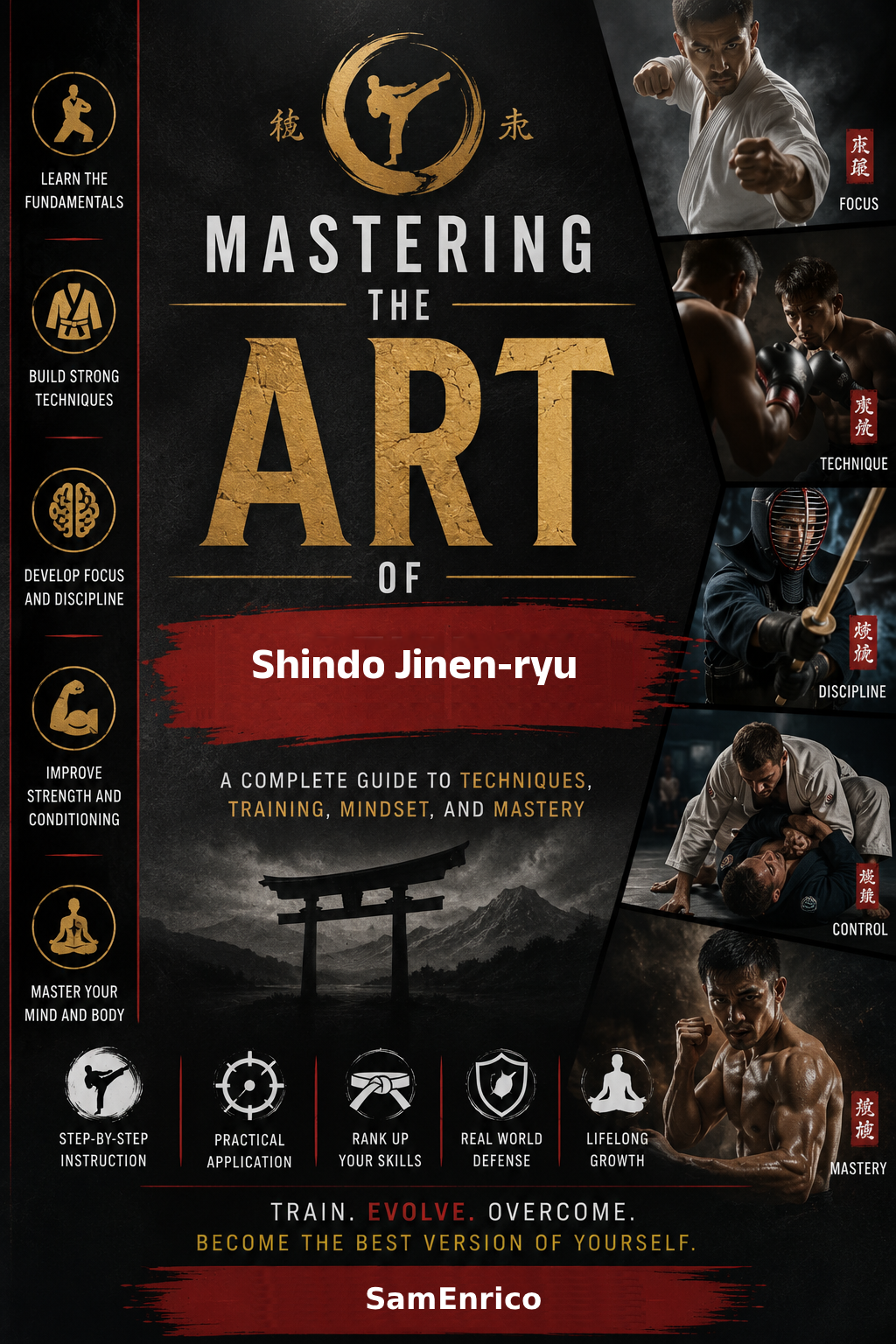 Mastering The Art of Shindō Jinen-ryū (神道自然流)Bickford Nila$11.99
 How to Start a Electronic Tubes (wholesale) Business (Beginners Guide)Bickford Nila$11.99
You may also like
 Hong Kong Handover 1997Dunn Johnnie$11.99
 Zumba For Postnatal Recovery CourseNeal Christian$11.99
 Zumba for BeginnersLadner Nikia$11.99
 YouTube Comment Mining GuideHumes Pandora$12.99
 Worry Box MeditationCarlin Rudy$11.99
 Workplace Stress MeditationNguyen Lynn$11.99
 Workplace Stress and Sleep RepairHawley Ivory$11.99
 Workplace Perfectionism CureDelaney Jeffry$11.99
 Workplace Injustice Anger GuideWallen Isabelle$11.99
 Work Addiction and Burnout LinkGreenwood Ester$11.99
 Women in Yoga and WellnessBeattie Galina$11.99
 Women in Stand Up ComedyChun Evangeline$11.99