
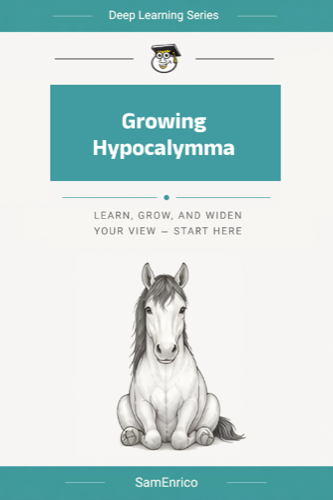
Growing Hypocalymma
This publication, published by SamEnrico, covers G
by Taylor Kayla
This publication, published by SamEnrico, covers Growing Hypocalymma
Formats
About this book
Free sample
Chapter 1: The White Veil...--The first time I killed a Hypocalymma, I thought I had done something wrong. The second time, I blamed the nursery. The third time, I finally understood the truth: I was treating a Mediterranean masterpiece like a common garden shrub, and it was dying of kindness.This book exists because that third death was also my third lesson. What I learned in the years that followed—through conversations with botanists, nurserymen, and Western Australian wildflower societies—changed not only how I grow plants but how I think about the relationship between gardener and genus. The white veil, the hypo calymma that gives this plant its name, hides more than flower parts.
It hides a story of ancient soils, fire-adapted strategies, and a biodiversity hotspot that most gardeners have never heard of.This chapter introduces that story. It lays the foundation for everything that follows: why these plants behave the way they do, why most gardening books get them wrong, and why you—by reading this book—are about to join a small community of growers who have unlocked the secrets of the Swan River myrtles.The Name and the Veil Every genus tells a story in its name. Hypocalymma is no exception.In 1839, the English botanist John Lindley examined specimens collected from the Swan River Colony in Western Australia—a settlement that would later become Perth. What he saw puzzled him. The flowers appeared to be partially hidden, as if wearing a delicate hood or veil over their most intimate parts.
From the Greek hypo (under, beneath, or behind) and calymma (a veil, hood, or covering), he coined the name Hypocalymma.The veil Lindley observed is actually the calyx—the whorl of sepals that protect the developing flower bud. In most Myrtaceae family members, the calyx either falls away or becomes inconspicuous as the flower opens. But in Hypocalymma, the calyx persists, forming a distinctive cap or hood that partially conceals the showy stamens that are the plant's true ornamental feature.This botanical quirk is more than trivia. It hints at the genus's evolutionary path. The persistent calyx may…
This is the end of the free sample. Get the eBook to keep going. Buy now
Contents
- Chapter 1
- Chapter 2
- Chapter 3
- Chapter 4
- Chapter 5
- Chapter 6
- Chapter 7
- Chapter 8
- Chapter 9
- Chapter 10
- Chapter 11
- Chapter 12
Details
- Author
- Taylor Kayla
- Publisher
- SamEnrico
- Language
- English
- Genre
- Non-Fiction, Informative, Educational
- Released
- 2026-06-02
- Pages (approx.)
- 154
- Available as
- eBook, Audiobook

Read better in the ZLOADR app
Your eBooks on your phone or tablet. Sign in with your SamEnrico account and start reading.
More by Taylor Kayla
 Parenting Mental Health GuideTaylor Kayla$11.99
 Chemotherapy Breath ComfortTaylor Kayla$11.99
 Stress and Substance Use CouplesTaylor Kayla$11.99
 Athletic Performance NappingTaylor Kayla$11.99Athletic Performance NappingTaylor Kayla$11.99
 Infant CPR ProtocolTaylor Kayla$11.99
 The Trucking Company TrapTaylor Kayla$11.99
 Gratitude for Solitude GuideTaylor Kayla$11.99
 The Old Man and the Sea RealTaylor Kayla$11.99
 Loma Linda Adventist HealthTaylor Kayla$11.99
 Frozen Echoes: The Lost Franklin Expedition's Final BroadcastTaylor Kayla$11.99
 The Gum Tree Alchemists: Indigenous Australian Knowledge of Medicinal PlantsTaylor Kayla$11.99