
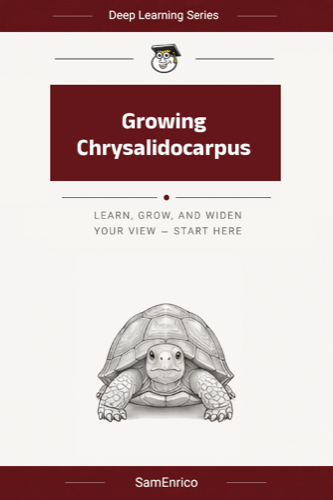
Non-FictionInformativeEducational
Growing Chrysalidocarpus eBook
This publication, published by SamEnrico, covers G
This publication, published by SamEnrico, covers Growing Chrysalidocarpus
Formats
Free sample
Chapter 1: The Living Cane…--Walking into a room dominated by a mature Chrysalidocarpus lutescens is an experience that transcends mere horticulture. The arching, feather-like fronds catch ambient light in ways that seem almost liquid, casting intricate shadows that dance across walls and ceilings with each passing breeze. The golden-green canes—slender, bamboo-like, and improbably graceful—rise from the soil in a clustered fountain of living architecture, each stem a testament to millions of years of evolutionary refinement. This is not simply a houseplant. This is a living sculpture, an air-purifying ecosystem, and a connection to the ancient rainforests of Madagascar, all contained within a pot.
Yet for all its exotic beauty, the Areca Palm (as it is commonly known) suffers from a reputation that is entirely undeserved. Walk into any garden center, and you will hear the same refrain: "They're finicky." "They always get brown tips." "I can never keep them alive." The staff at these establishments mean well, but they are perpetuating a myth. Chrysalidocarpus is not difficult. It is simply misunderstood.The problem, as this book will demonstrate across twelve comprehensive chapters, is not that the palm is fragile. The problem is that most growers—from beginners to experienced plant enthusiasts—approach the Areca Palm with the wrong mental model.
They treat it like a tropical houseplant, watering it on a schedule, placing it wherever it looks good, and hoping for the best. This is precisely backwards. Chrysalidocarpus is a palm, and palms operate by rules that are fundamentally different from those of the philodendrons, monsteras, and fiddle-leaf figs that populate most indoor plant collections. To succeed with this species, you must first understand what it actually is: a clumping, suckering palm from the understory of Madagascar's eastern rainforests, adapted to specific conditions of light, water, and soil that are rarely replicated in the average living room. The good news?
Once you understand these conditions, replicating them becomes second nature. The "finicky" reputation evaporates, replaced by the quiet satisfaction of watching new fronds unfurl, each one a vibrant declaration of health.This chapter lays the foundation for everything that follows. We will explore the botanical identity of Chrysalidocarpus, dismantling the confusion surrounding its name and classification. We will journey to its native habitat, understanding the environmental pressures that shaped its evolution. We will dissect the anatomy of the palm itself—learning to read its stems, leaves, and roots as a gardener reads a map.
And we will introduce the key species and cultivars that you are most likely to encounter, from the ubiquitous golden cane palm to the architectural triangle palm. By the end of this chapter, you will not merely know facts about Chrysalidocarpus. You will understand it. And understanding is the first step toward mastery.The Taxonomy of Confusion Before we can grow Chrysalidocarpus successfully, we must first know what it is. This is not as straightforward as it sounds.
The botanical classification of this palm has undergone significant revision in recent decades, and the commercial nursery trade has been slow to catch up. Walk into any garden center in North America or Europe, and the plant you are looking at will almost certainly be labeled "Areca lutescens" or "Dypsis lutescens." Both labels are technically incorrect. The correct name, as recognized by the Royal Botanic Gardens, Kew, and the International Union for Conservation of Nature (IUCN), is Chrysalidocarpus lutescens. The journey to this name is worth understanding because it reveals much about how botanists think about plant relationships.The genus name Chrysalidocarpus derives from two Greek words: "chrysalis" (χρυσαλλίς), meaning gold or golden, and "karpos" (καρπός), meaning fruit. This is a direct reference to the palm's small, olive-like fruits, which turn a striking golden-yellow when ripe.
Anyone who has seen a mature outdoor specimen laden with fruit will immediately recognize the appropriateness of the name. The specific epithet "lutescens" comes from Latin, meaning "becoming yellow" or "yellowish," again referencing the golden stems and fruits. So the full botanical name translates roughly to "golden-fruited, yellowish palm"—a description that is both accurate and evocative.Why, then, does the nursery trade persist in calling it Areca or Dypsis? The answer lies in the messy, fascinating history of palm taxonomy. For much of the twentieth century, Chrysalidocarpus was considered a subgenus of Areca, the genus that includes the betel nut palm (Areca catechu).
The two palms share certain structural similarities, particularly in their inflorescences and fruit. However, molecular phylogenetic studies published in the early 2000s demonstrated conclusively that Chrysalidocarpus is distinct enough to warrant its own genus. The confusion with Dypsis is even more recent. In the 1990s, a controversial taxonomic revision lumped Chrysalidocarpus into the larger genus Dypsis, which contains over 140 species of palms from Madagascar and the surrounding islands. This revision was never universally accepted, and subsequent genetic work has largely overturned it.
As of 2025, the consensus among palm specialists is clear: Chrysalidocarpus stands as its own genus.Why does any of this matter to you, the grower? Because understanding the correct classification helps you access accurate information. If you search for "Areca palm care," you will find thousands of blog posts, videos, and forum discussions, many of them contradictory. If you search for "Chrysalidocarpus lutescens care," you will find fewer results, but the ones you find will be more reliable, written by botanists and experienced growers who take the trouble to use correct nomenclature. Throughout this book, we will use Chrysalidocarpus as the genus name, but we will also reference the common synonyms when discussing nursery practices.
The goal is not pedantry. The goal is clarity.Beyond the species: Understanding the Genus While Chrysalidocarpus lutescens is undoubtedly the most common species in cultivation, it is far from the only one. The genus contains approximately 20 recognized species, all native to Madagascar and the Comoros Islands, with a single species (C. decipiens) found in Seychelles. For the home grower, three species are particularly relevant, and understanding their differences will make you a more versatile and knowledgeable palm enthusiast.The first and most important is Chrysalidocarpus lutescens itself—the golden cane palm, butterfly palm, or yellow palm.
This is the species that fills indoor atriums, office lobbies, and living rooms across the world. It is characterized by its clumping growth habit (multiple stems arising from a single root system), its golden-yellow canes, and its gracefully arching fronds. Mature specimens can reach 30 feet in height when grown outdoors in tropical climates, but container-grown plants typically top out at 6 to 10 feet. The canes are perhaps its most distinctive feature: smooth, bamboo-like, and marked with prominent nodes or rings. New canes emerge from the base of the plant, gradually increasing the clump's width over time.The second species worth knowing is Chrysalidocarpus baronii, commonly known as the sugar cane palm.
This species is rarer in cultivation but highly prized by collectors for its cold tolerance and its more restrained growth habit. While C. lutescens can become leggy and sprawling in low light, C. baronii maintains a tighter, more upright form. Its stems are greener than those of lutescens, with a subtle waxy bloom that gives them a matte appearance.
Most importantly for growers in marginal climates, C. baronii can tolerate brief temperature drops to 28°F (-2°C), compared to lutescens's…
This is the end of the free sample. Get the eBook to keep going. Buy now
About this book
Details
- Author
- Boudreaux Raguel
- Publisher
- SamEnrico
- Language
- English
- Genre
- Non-Fiction, Informative, Educational
- Released
- 2026-05-06
- Pages (approx.)
- 154
- Available as
- eBook, Audiobook

Read better in the ZLOADR app
Your eBooks on your phone or tablet. Sign in with your SamEnrico account and start reading.
More by Boudreaux Raguel
 Self Hypnosis For Runners GuideBoudreaux Raguel$11.99
 Buy Nothing Month BlueprintBoudreaux Raguel$11.99
 Ear Pain Meditation GuideBoudreaux Raguel$11.99
 Circadian Rhythm Case StudiesBoudreaux Raguel$11.99
 Press Release For PartnershipsBoudreaux Raguel$11.99
 Workplace Burnout Prevention PlanBoudreaux Raguel$11.99
 Networking at Industry ConferencesBoudreaux Raguel$11.99
 Outfit Check AnxietyBoudreaux Raguel$11.99
 Ethiopian Jewish Aliyah JourneyBoudreaux Raguel$11.99
 The Vanishing at the Cecil Hotel: A Dark DescentBoudreaux Raguel$11.99
 Mami Wata’s Golden Mirror: The Trickster’s BargainBoudreaux Raguel$11.99
 The Euroleague Heist: How Dirk Nowitzki and the Mavericks Stole the 2011 NBA TitleBoudreaux Raguel$11.99
You may also like
 Hong Kong Handover 1997Dunn Johnnie$11.99
 Zumba For Postnatal Recovery CourseNeal Christian$11.99
 Zumba for BeginnersLadner Nikia$11.99
 YouTube Comment Mining GuideHumes Pandora$12.99
 Worry Box MeditationCarlin Rudy$11.99
 Workplace Stress MeditationNguyen Lynn$11.99
 Workplace Stress and Sleep RepairHawley Ivory$11.99
 Workplace Perfectionism CureDelaney Jeffry$11.99
 Workplace Injustice Anger GuideWallen Isabelle$11.99
 Work Addiction and Burnout LinkGreenwood Ester$11.99
 Women in Yoga and WellnessBeattie Galina$11.99
 Women in Stand Up ComedyChun Evangeline$11.99