
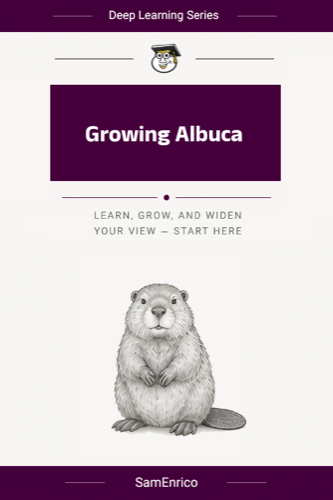
Non-FictionInformativeEducational
Growing Albuca eBook
This publication, published by SamEnrico, covers G
This publication, published by SamEnrico, covers Growing Albuca
Formats
Free sample
Chapter 1: The Curious Stranger...--–- It arrived in a plain cardboard box, wrapped in newspaper, looking less like a living thing and more like a small, dehydrated onion. That was my first encounter with Albuca spiralis, long before the internet gave it the whimsical nickname "Frizzle Sizzle." I had ordered it on a whim from a rare bulb catalog—one of those late-night purchases made while scrolling through photos of plants that seemed too strange to be real. When the package arrived in late summer, I almost threw it away. The bulb was firm but unremarkable, a pale greenish-white lump no larger than my thumb, with a few dry, papery remnants of last season's leaves still attached. No instructions came with it.
No colorful tag promised fragrant flowers or corkscrew curls. Just a bulb, a box, and a lingering question: What have I gotten myself into?I planted it anyway, because that is what gardeners do. We plant things on faith. I filled a small terracotta pot with gritty soil—a mix I had used for succulents—and nestled the bulb so its top third sat above the surface, though I did not yet know that this "shoulder rule" would become one of the most important lessons I would ever learn about this genus. I watered it once, set it on a south-facing windowsill, and promptly forgot about it for three weeks.
When I finally looked again, something had emerged from the bulb's peak: a pale green spike, no thicker than a blade of grass, pushing upward with the quiet determination of a plant that refuses to be ignored. Within days, that spike had unfurled into a slender leaf, and within weeks, that leaf had begun to twist. Not dramatically at first—just a gentle bend, then a loose loop, then a full spiral that tightened with every hour of sunlight. I had done nothing special. I had not whispered encouragement or measured p H levels or installed grow lights.
I had simply provided a pot, some light, and a long stretch of benign neglect. And yet, this strange bulb from the other side of the world was performing a botanical magic trick before my eyes.That was the moment I fell in love with Albuca. Not because it was demanding or rare or difficult—quite the opposite. I fell in love because it asked so little and gave so much in return. The spiral tightened into a perfect corkscrew.
The leaves developed a glossy, almost rubbery texture that caught the afternoon light. And then, in the dead of winter when my garden was brown and my other houseplants sulked in the weak northern sun, a flower spike emerged. It shot up with surprising speed, a pale green wand topped with nodding buds that opened into the strangest flowers I had ever seen: three wide green petals spreading outward like a pixie's hat, three inner petals cupping a bright yellow center, and all of it releasing a fragrance that smelled exactly like vanilla and butter—warm, sweet, and utterly unexpected from such an unassuming plant.I was hooked. I bought more species. I killed a few through overwatering (a common rite of passage that I will help you avoid in Chapter 5).
I learned to read the subtle language of leaves: the difference between thirsty wrinkles and overwatered mush, the way light intensity dictates curl tightness, the strange satisfaction of watching a bulb return from its summer death-sleep. I discovered that Albuca is not one plant but a genus of over a hundred species, each with its own personality—from the tight spirals of Albuca concordiana to the towering flower spikes of Albuca canadensis to the almost leafless ghost forms that look like something from a Dr. Seuss illustration. And along the way, I realized that this plant had a secret: it was not difficult to grow. It was just different.
And once you understand how it is different, everything else becomes simple.That is the purpose of this book. I am not a botanist or a professional horticulturist. I am a gardener who fell down the Albuca rabbit hole and emerged with a collection of bulbs, a notebook full of observations, and a deep appreciation for one of the most misunderstood houseplants on the market today. What you are holding is not an academic treatise. It is a practical guide written by someone who has made the mistakes so you do not have to.
I have rotted bulbs by watering them in June when I should have left them dry. I have panicked over yellowing leaves that were merely entering dormancy. I have spent hours searching online for answers that were scattered across forums, old blog posts, and conflicting You Tube videos. This book is the resource I wish I had when that first bulb arrived in a plain cardboard box.What Exactly Is Albuca? (And Why You Have Probably Never Heard of It)Before we dive into cultivation, let us answer the most basic question: What is Albuca?
If you are reading this book, you have likely encountered Albuca spiralis under its more marketable nickname, "Frizzle Sizzle." That plant has become something of a sensation on social media, where photographs of its tight, springlike curls attract thousands of likes and comments from plant enthusiasts who cannot quite believe it is real. But Albuca is far more than a single novelty species. It is a genus of geophytes (plants that store nutrients in underground bulbs) belonging to the Asparagaceae family—the same family that includes asparagus, hostas, and hyacinths. This connection surprises many people, as Albuca does not look like its garden-variety cousins. But the botanical family tree is clear: Albuca shares a common ancestor with those familiar plants while charting its own evolutionary path through the harsh landscapes of southern Africa.The genus name Albuca comes from the Latin word albucus, meaning "white," and refers to the pale, often white or greenish-white flowers that characterize many species.
The name was first used in the 18th century by the French botanist Michel Adanson, who encountered these plants during his studies of African flora. Today, the genus includes approximately 100 to 150 recognized species, though taxonomists continue to debate the exact number as genetic analysis reveals new relationships and reclassifications. Most Albuca species are native to South Africa, with a few extending into Namibia, Botswana, and even the Arabian Peninsula. They have adapted to a remarkable range of habitats, from the winter-rainfall regions of the Western Cape to the summer-rainfall grasslands of the Eastern Cape, from coastal dunes to rocky mountain slopes. This adaptability is part of what makes them such rewarding plants for home cultivation: once you understand their basic needs, they are remarkably forgiving.The Three Faces of Albuca: A Quick Overview To give you a sense of the genus's diversity, let me introduce three representative species that illustrate the range of forms Albuca can take.
You will encounter these species again in Chapter 11, where I provide a detailed collector's guide, but for now, think of them as ambassadors for the genus.Albuca spiralis is the showstopper, the plant that started the craze. Native to the Western Cape of South…
This is the end of the free sample. Get the eBook to keep going. Buy now
About this book
Details
- Author
- Mckinley Kimi
- Publisher
- SamEnrico
- Language
- English
- Genre
- Non-Fiction, Informative, Educational
- Released
- 2026-05-18
- Pages (approx.)
- 154
- Available as
- eBook, Audiobook

Read better in the ZLOADR app
Your eBooks on your phone or tablet. Sign in with your SamEnrico account and start reading.
More by Mckinley Kimi
 Testosterone and Growth Hormone SynergyMckinley Kimi$11.99
 Surrender Through Step Three DecisionMckinley Kimi$11.99
 The Nonprofit Marketing Transition GuideMckinley Kimi$11.99
 Disulfiram Alcohol GuideMckinley Kimi$11.99
 Upwork Connects StrategyMckinley Kimi$11.99
 Tech Industry Salary GuideMckinley Kimi$11.99
 Goal Perfectionism CureMckinley Kimi$11.99
 Parent's Belongings and KeepsakesMckinley Kimi$11.99
 The Midnight Cabinet: Secrets of the White House’s Shadow AdvisorsMckinley Kimi$11.99
 The Lion’s Calculus: Mathematicians of the Ancient Kingdom of KushMckinley Kimi$11.99
 How to Produce MelodicasMckinley Kimi$11.99
 How to Produce Wood ProtectantMckinley Kimi$11.99
You may also like
 Hong Kong Handover 1997Dunn Johnnie$11.99
 Zumba For Postnatal Recovery CourseNeal Christian$11.99
 Zumba for BeginnersLadner Nikia$11.99
 YouTube Comment Mining GuideHumes Pandora$12.99
 Worry Box MeditationCarlin Rudy$11.99
 Workplace Stress MeditationNguyen Lynn$11.99
 Workplace Stress and Sleep RepairHawley Ivory$11.99
 Workplace Perfectionism CureDelaney Jeffry$11.99
 Workplace Injustice Anger GuideWallen Isabelle$11.99
 Work Addiction and Burnout LinkGreenwood Ester$11.99
 Women in Yoga and WellnessBeattie Galina$11.99
 Women in Stand Up ComedyChun Evangeline$11.99