
Non-FictionHealth & WellnessMobile Gaming
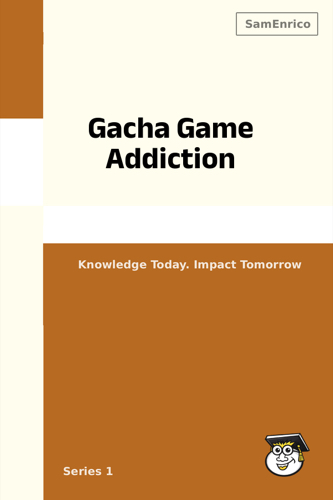
Gacha Game Addiction
How randomized reward mechanics trap players and h
How randomized reward mechanics trap players and how to quit.
Formats
About this book
Free sample
Chapter 1: The $15 Billion Crank--–- On a humid Tuesday afternoon in Osaka, a teenage boy inserts 300 yen into a Gachapon machine. He turns the crank. A plastic capsule tumbles into the tray. Inside is a miniature anime girl with purple hair and a sword. He wanted the one with blue hair.
So he inserts another 300 yen. Then another. Then another. Forty-five minutes and 12,000 yen later, he walks away with seven duplicates, three near-misses, and a hollow feeling in his chest that he mistakes for satisfaction. That was 1983.
Forty years later, on a Tuesday afternoon in Los Angeles, a young woman taps her phone screen. She has been saving her premium currency for three weeks. The banner just dropped—a limited-time character with purple hair and a sword. She wants the one with blue hair. She taps the "Summon x10" button.
The screen flashes. The animation plays. No blue hair. She taps again. Then again.
Forty-five minutes and $120 later, she has seven duplicates, three near-misses, and a hollow feeling in her chest that she mistakes for satisfaction. The machine has changed. The crank has not.The Birth of the Crank The Gachapon machine—a portmanteau of the Japanese onomatopoeia "gacha" (the sound of the crank turning) and "pon" (the sound of the capsule dropping)—first appeared in Japan in 1965. Penny Arcades, a small toy company, imported the idea from the United States, where vending machines had been dispensing gum and trinkets since the 1880s. But Japan did something different.
It turned the machine into a game. The original American vending machines told you exactly what you were getting. You put in a nickel, you got a piece of gum. No mystery. No anticipation.
No addiction. Japanese manufacturers realized that if you hid the contents inside opaque capsules and made the toys collectible, the act of turning the crank became something more than a transaction. It became a gamble. A small one. A harmless one.
A few hundred yen for a plastic keychain of a popular manga character. What was the harm?The harm was that the human brain is not designed to…
This is the end of the free sample. Get the eBook to keep going. Buy now
Contents
- Chapter 1
- Chapter 2
- Chapter 3
- Chapter 4
- Chapter 5
- Chapter 6
- Chapter 7
- Chapter 8
- Chapter 9
- Chapter 10
- Chapter 11
- Chapter 12
Details
- Author
- Hedrick Vasiliki
- Publisher
- SamEnrico
- Language
- English
- Genre
- Non-Fiction, Health & Wellness, Mobile Gaming
- Released
- 2026-06-10
- Pages (approx.)
- 129
- Available as
- eBook, Audiobook

Read better in the ZLOADR app
Your eBooks on your phone or tablet. Sign in with your SamEnrico account and start reading.
More by Hedrick Vasiliki
 The Embassy Siege SurvivorHedrick Vasiliki$11.99
 Escaping the Acting Out CycleHedrick Vasiliki$11.99
 Sleep Meditation for Night AnxietyHedrick Vasiliki$11.99
 Anger Trigger Smartphone AppHedrick Vasiliki$11.99
 Group Study Stress SolutionsHedrick Vasiliki$11.99
 Baffin Island Fjord ExpeditionHedrick Vasiliki$11.99
 Bankruptcy Legal Team AssemblyHedrick Vasiliki$11.99
 The Untold War of the Screenwriters: How Ben Hecht and Charles MacArthur Defied the BlacklistHedrick Vasiliki$11.99
 The Djinn of the Empty Quarter: A Sandstorm’s SecretHedrick Vasiliki$11.99
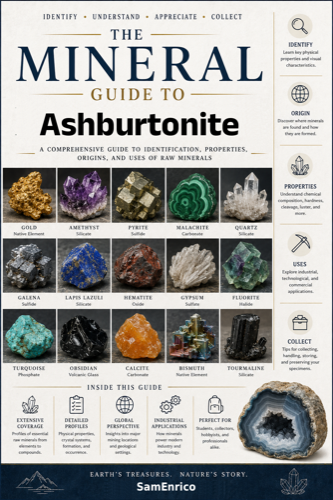 The Mineral Guide to AshburtoniteHedrick Vasiliki$11.99
 Inflation Rate Excel CalculatorHedrick Vasiliki$12.99
 Middle East Sales Psychology GuideHedrick Vasiliki$12.99
You may also like
 Hong Kong Handover 1997Dunn Johnnie$11.99
 Zumba For Postnatal Recovery CourseNeal Christian$11.99
 Zumba for BeginnersLadner Nikia$11.99
 YouTube Comment Mining GuideHumes Pandora$12.99
 Worry Box MeditationCarlin Rudy$11.99
 Workplace Stress MeditationNguyen Lynn$11.99
 Workplace Stress and Sleep RepairHawley Ivory$11.99
 Workplace Perfectionism CureDelaney Jeffry$11.99
 Workplace Injustice Anger GuideWallen Isabelle$11.99
 Work Addiction and Burnout LinkGreenwood Ester$11.99
 Women in Yoga and WellnessBeattie Galina$11.99
 Women in Stand Up ComedyChun Evangeline$11.99