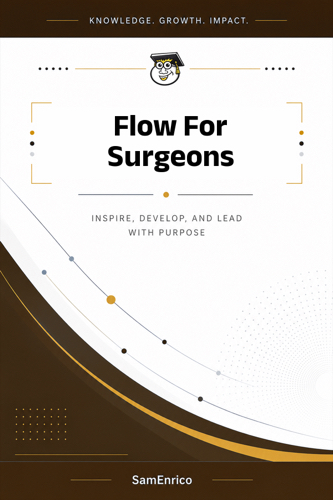
Flow For Surgeons Audiobook
Teaches entering the zone during long, precise med
by Conn Tien
Teaches entering the zone during long, precise medical procedures with high stakes.
Formats
Free sample
Chapter 1: The Invisible Incision--–- The blade has not yet touched the skin, but the most important incision of the operation has already been made. It was made in your mind, in the sixty seconds between the time-out and the first cut. And unlike the incision you are about to place—which will be closed, will heal, and will eventually fade into a scar—this invisible incision determines everything that follows. It determines whether your hands will be steady or trembling. It determines whether your field of vision will be broad or narrowed to a pinprick.
It determines whether you will experience the case as an exhilarating challenge or a terrifying threat. Most surgeons never see this incision. They walk into the operating room, scrub, gown, glove, and reach for the scalpel without a single moment of deliberate mental preparation. Then they wonder why some cases flow like water and others feel like drowning. The answer is not luck.
The answer is the invisible incision—and whether you learn to make it on purpose.The first time you felt the threat state, you probably thought it was normal. You were standing at the table, the patient asleep, the monitors beeping their familiar rhythm. The scrub nurse handed you the scalpel. And then—nothing. Your mind went blank.
Not the calm, collected blankness of focus, but the hollow, echoing blankness of dread. Your field of vision narrowed to a pinpoint. You could hear your own heartbeat, but you could not remember the next step in the procedure. Your hands, steady moments ago, felt heavy and foreign. You made the incision anyway, because you must.
But you were no longer operating. You were surviving.Every surgeon knows this feeling. The chief of cardiothoracic surgery with thirty years of experience knows it when a routine CABG reveals an unexpected aneurysm. The second-year resident knows it during their first solo appendix. The robotic surgeon knows it when the console freezes mid-anastomosis.
We have been taught to call this "pressure," "nerves," or simply "part of the job." But neuroscience tells us something different: the threat state is a specific, measurable, and trainable neuroendocrine response that destroys fine motor control, narrows attention, and blocks access to learned skills. It is the opposite of flow. And unlike flow, which most surgeons experience only by accident, the threat state is highly predictable. It arrives when three conditions align…
This is the end of the free sample. Get the Audiobook to keep going. Buy now
About this book
Details
- Author
- Conn Tien
- Publisher
- SamEnrico
- Language
- English
- Genre
- Non-Fiction, Self-Help, Medical Performance
- Released
- 2026-06-06
- Pages (approx.)
- 147
- Available as
- eBook, Audiobook

Listen in the VoxFlicks app
Audiobooks and audio dramas wherever you go. Sign in with your SamEnrico account and press play.
More by Conn Tien
 Blue Zone Spouse Support PlanConn Tien$11.99
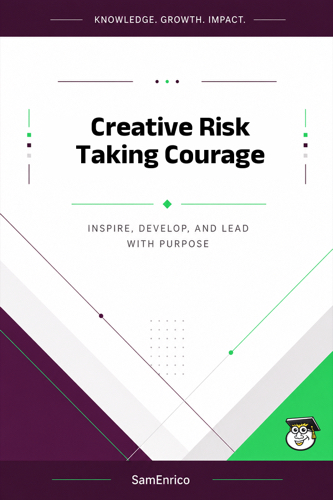 Creative Risk Taking CourageConn Tien$11.99
 Indian BPO Cost AnalysisConn Tien$11.99
 Love Letters from the Arctic: The Secret Correspondence of a WWII Nurse and a Lost PilotConn Tien$11.99
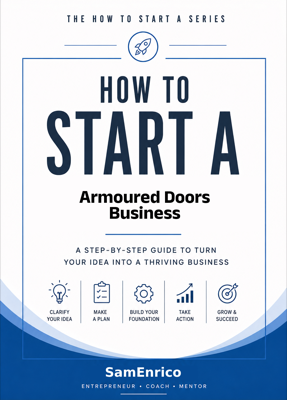 How to Start a Armoured Doors Business (Beginners Guide)Conn Tien$11.99
 How to Produce Caller IDSConn Tien$11.99
 New Hire Reporting for Child SupportConn Tien$12.99
 Home Theater InstallerConn Tien$11.99