
Ethical Influence Techniques eBook
Builds trust-based persuasion for long-term relati
Builds trust-based persuasion for long-term relationships.
Formats
Free sample
Chapter 1: The Trust Battery--–- The email arrived at 11:47 PM on a Tuesday. Sarah, a senior project manager at a mid-sized software company, had been working fourteen-hour days for three weeks to meet a deadline her team never agreed to. The email was from her boss: “Can you take on one more client this quarter? I know you’re busy, but you always come through.”She wanted to say no. Everything in her body said no.
But she remembered the last time she said no—the cold shoulder in meetings, the whispered comments about her “lack of commitment,” the way her boss started copying her manager on routine emails as if she couldn’t be trusted. So she typed back: “Sure, I’ll make it work.”Three months later, Sarah resigned. In her exit interview, she didn’t mention the fourteen-hour days or the impossible deadlines. She said she was “pursuing other opportunities.” Her boss was genuinely surprised. After all, Sarah had always said yes.This story is not about burnout.
It is about the slow, invisible corrosion of trust—and about a fundamental misunderstanding of how influence actually works. Sarah’s boss believed he was being persuasive. He offered a reason (“I know you’re busy”), flattery (“you always come through”), and social pressure (implied comparison to colleagues who might be more “committed”). By the standard textbooks of the 1980s and 1990s, he was using classic influence techniques. But he was not influencing.
He was coercing. And he paid the price not in that moment, but months later, when Sarah walked out the door and took her institutional knowledge, her client relationships, and her trust with her.This book is built on a single, counterintuitive premise: The goal of ethical influence is not to get a “yes.” The goal is to get a “yes” that leaves both parties stronger than before.Most books about persuasion teach you how to win. They teach tactics, triggers, and shortcuts. They teach you how to make people comply. What they do not teach you is the hidden cost of compliance—the debt that accumulates when you get a “yes” through pressure, deception, or imbalance.
That debt always comes due. Sometimes it comes due in an exit interview. Sometimes it comes due in a quiet refusal to refer you to a colleague. Sometimes it comes due when the other party finally understands what you were doing and decides never to trust you again.This chapter introduces the single most important framework you will learn in this book: the Trust Battery. Everything else—every technique, every principle, every strategy—is built on this foundation.
If you master nothing else, master this. Because influence without trust is not influence at all. It is theft from your future self.The Cost of a “Yes”Let us begin with a thought experiment. Imagine you need a favor from a colleague. You have two options.Option A: You remind them of a past favor you did for them.
You mention that your boss is watching. You hint that their performance review might be affected. You use a friendly but insistent tone that makes it uncomfortable to say no. The colleague says yes. You get what you want.Option B: You explain why the favor matters.
You acknowledge that they are busy. You offer to reciprocate in a specific way. You give them an easy out: “No pressure at all, and I will completely understand if this isn’t the right time.” The colleague says yes. You also get what you want.On the surface, both options produced the same result: a “yes.” But underneath the surface, something very different happened. In Option A, the colleague’s “yes” was accompanied by resentment, fatigue, and a quiet vow to avoid future interactions with you.
In Option B, the “yes” was accompanied by autonomy, respect, and a sense of mutual goodwill.This is the central blind spot of traditional persuasion literature. It treats the “yes” as the finish line. But the “yes” is not the finish line. The “yes” is the starting line. What matters is what happens after the “yes”—in the hours, days, and months that follow.
Did the other party feel respected or exploited? Did the relationship grow stronger or weaker? Would they say yes again, or are they already planning their exit?Most people who use influence tactics incorrectly believe that a “yes” is evidence of success. They point to the email, the signed contract, the verbal agreement. But a “yes” obtained through manipulation is not success.
It is deferred cost. And deferred cost always compounds.Consider the research on buyer’s remorse. Studies in consumer psychology show that when people feel pressured into a purchase, they are significantly more likely to return the product, leave negative reviews, and avoid the brand in the future. The “yes” produced immediate revenue but destroyed future revenue. The same dynamic operates in every domain of influence: sales, management, negotiation, parenting, friendship, and romance.
A pressured “yes” is a loan against future trust, and the interest rate is punishing.This book will teach you how to get a different kind of “yes”—the kind that leaves the other party feeling intelligent, autonomous, and respected. But before we can build that skill, we must understand the fundamental medium through which all influence flows: trust.Introducing the Trust Battery Trust is not a feeling. It is not a vague sense of goodwill. Trust is a stored resource. Every relationship has a certain amount of trust available for use, and every interaction either deposits trust into that account or withdraws from it.I call this stored resource the Trust Battery.
Picture a battery with a charge level from 0% to 100%. When the battery is fully charged, influence flows easily. You can ask for favors, provide feedback, make requests, and navigate conflict without resistance. The other party assumes good intent, gives you the benefit of the doubt, and is willing to extend themselves on your behalf.When the battery is low, every interaction becomes difficult. Requests are met with suspicion, feedback triggers defensiveness, and even reasonable asks feel like impositions.
You have to rely on positional power, threats, or constant justification. This is not influence. This is administration.When the battery is at zero, the relationship is functionally dead. The other party may still say yes to avoid conflict, but they are already gone. They are planning their exit, limiting their exposure, and warning others about you.
This is the zone of quiet quitting, silent resignation, and reputational damage.The Trust Battery has three properties that are essential to understand.First, trust charges slowly and drains quickly. A single moment of dishonesty, broken promise, or manipulation can undo weeks or months of trust-building. This asymmetry is not fair, but it is real. The Trust Battery is like a savings account: you make many small deposits over time, but one large withdrawal can empty the account entirely.Second, trust charges differently for different people. Some people require many small, consistent deposits over a long period.
Others will trust quickly based on a single strong signal (a referral, a shared identity, a demonstrated competence). Understanding how the specific person…
This is the end of the free sample. Get the eBook to keep going. Buy now
About this book
Details
- Author
- Figueroa Gabriel
- Publisher
- SamEnrico
- Language
- English
- Genre
- Non-Fiction, Self-Help, Ethics
- Released
- 2026-06-08
- Pages (approx.)
- 143
- Available as
- eBook, Audiobook

Read better in the ZLOADR app
Your eBooks on your phone or tablet. Sign in with your SamEnrico account and start reading.
More by Figueroa Gabriel
 Medical Mnemonics MasteryFigueroa Gabriel$11.99
 Morning Meditation BlueprintFigueroa Gabriel$11.99
 Efficacy Restoration GuideFigueroa Gabriel$11.99
 The Remote Productivity StackFigueroa Gabriel$11.99
 Coach Imposter SyndromeFigueroa Gabriel$11.99
 Skin Graft AftercareFigueroa Gabriel$11.99
 Food Insecurity TriggersFigueroa Gabriel$11.99
 The Stolen Heiress: A Colonial-Era Custody Battle at SeaFigueroa Gabriel$11.99
 The Last Voyage of the *Elizabeth*: A Pirate’s Trial in Victorian CanadaFigueroa Gabriel$11.99
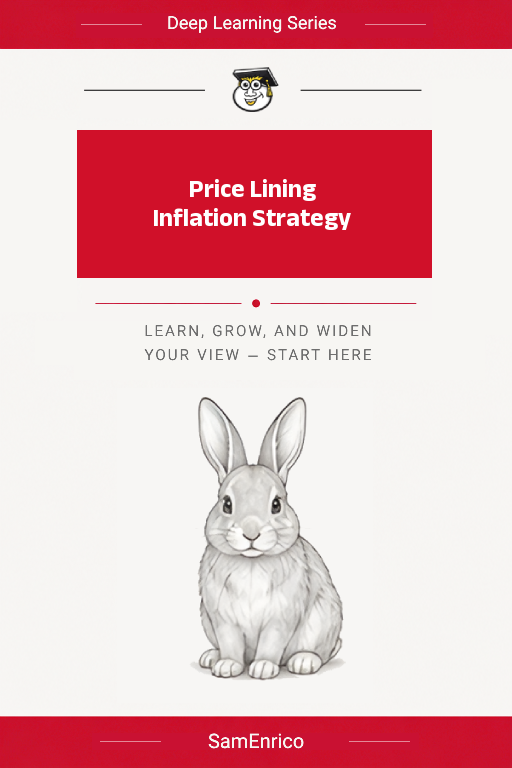 Price Lining Inflation StrategyFigueroa Gabriel$12.99
 ARIPO Non Traditional MarksFigueroa Gabriel$12.99
 Border Collie: World's SmartestFigueroa Gabriel$11.99
You may also like
 Incubation For Ethical Dilemmas WorkbookJohansen Ilse$11.99
 Reporting Unethical BehaviorMayer Claretta$11.99
 Metta for a Ghosted PersonRoach Shantell$11.99
 Whistleblower ConversationsHennessey Tona$11.99
 The Anonymity Principle HandbookReynoso Terra$11.99
 Digital Communication EthicsHines Raymond$11.99
 Anger at Unethical Workplace PracticesChristianson Roxann$11.99
 Whistleblower Conversation GuideStanford Robby$11.99
 Healthy Erotica vs PornographyLewandowski Sharla$11.99
 The Persuasion Ethics ChecklistRosser Iva$11.99