
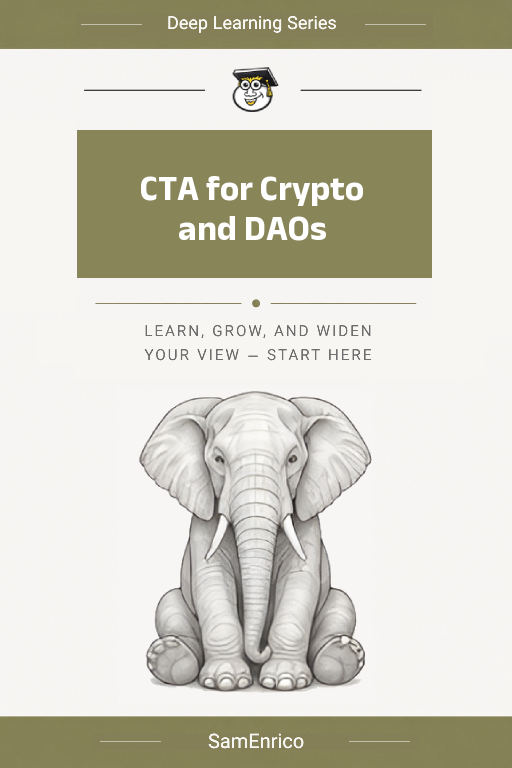
Non-FictionAnnual CheckupCrypto
CTA for Crypto and DAOs
DAOs and crypto entities with legal registration m
DAOs and crypto entities with legal registration may need to evaluate BOI filing obligations.
Formats
About this book
Free sample
Chapter 1: The Anonymity Paradox--–- The email arrived at 11:47 PM on a Tuesday. Sarah, the founder of a promising De Fi protocol that had recently converted to a DAO structure, stared at her screen. The sender was Fin CEN – the Financial Crimes Enforcement Network. The subject line read: "Notice of Inquiry – Beneficial Ownership Disclosure." Her DAO had done everything by the book – or so she thought. They had registered as a Wyoming DAO LLC, implemented multi-sig treasury controls, and published all transactions on-chain.
But the notice alleged that her organization had failed to identify its "beneficial owners" under the Corporate Transparency Act. The problem was existential: her DAO had 5,000 token holders spread across 47 countries, none of whom owned more than 2% of the governance tokens. How could there be a beneficial owner? And yet, the notice threatened penalties of 500perday,civilfinesupto500 per day, civil fines up to 500perday,civilfinesupto10,000, and potential criminal liability for "willful failure to report." This book is for Sarah – and for the thousands of founders, developers, legal practitioners, and token holders who will face this exact dilemma in the coming months.The Long History of Financial Secrecy To understand why the Corporate Transparency Act exists and why it now applies to DAOs, we must first understand the long arc of financial secrecy. The concept of anonymous business entities is not new.
In fact, it predates the United States itself. The joint-stock companies of 17th-century England – the East India Company being the most famous – were among the first entities to separate ownership from management, creating a veil behind which individual investors could remain anonymous. This veil was intentional: it encouraged investment by limiting personal liability and allowing wealthy patrons to fund risky ventures without public scrutiny.The American colonies inherited this tradition. Delaware, which would become the corporate capital of the world, began its reign as an incorporation haven in the late 19th century. In 1899, Delaware passed a general incorporation law that allowed companies to be formed with minimal disclosure, no requirement for local presence, and robust protections for directors and officers.
Other states – Nevada, Wyoming, New Mexico – followed with even more permissive laws. By the 1990s, it was possible…
This is the end of the free sample. Get the eBook to keep going. Buy now
Contents
- Chapter 1
- Chapter 2
- Chapter 3
- Chapter 4
- Chapter 5
- Chapter 6
- Chapter 7
- Chapter 8
- Chapter 9
- Chapter 10
- Chapter 11
- Chapter 12
Details
- Author
- Tidwell Felton
- Publisher
- SamEnrico
- Language
- English
- Genre
- Non-Fiction, Annual Checkup, Crypto
- Released
- 2026-05-30
- Pages (approx.)
- 151
- Available as
- eBook, Audiobook

Read better in the ZLOADR app
Your eBooks on your phone or tablet. Sign in with your SamEnrico account and start reading.
More by Tidwell Felton
 Lake Clark MissingTidwell Felton$11.99
 Jack Dorsey SquareTidwell Felton$11.99
 Drug Dependency Aftercare PlanningTidwell Felton$11.99
 The Economics Nobel PovertyTidwell Felton$11.99
 Nobel Prize Superconductivity PioneersTidwell Felton$11.99
 Seated Body Scan WorkbookTidwell Felton$11.99
 Hair Adjustment as PreeningTidwell Felton$11.99
 Beginner Mindfulness AppsTidwell Felton$11.99
 The Silk Road of Sound: How Jazz Found Its Voice in 18th-Century Ottoman IstanbulTidwell Felton$11.99
 The Phantom of Monaco: The $3.5M Ferrari Heist That Shocked the WorldTidwell Felton$11.99
 Rust & Rain: The Last Ride of the Thunder CoasterTidwell Felton$11.99
 The Mineral Guide to AerugiteTidwell Felton$11.99
You may also like
 Hong Kong Handover 1997Dunn Johnnie$11.99
 Zumba For Postnatal Recovery CourseNeal Christian$11.99
 Zumba for BeginnersLadner Nikia$11.99
 YouTube Comment Mining GuideHumes Pandora$12.99
 Worry Box MeditationCarlin Rudy$11.99
 Workplace Stress MeditationNguyen Lynn$11.99
 Workplace Stress and Sleep RepairHawley Ivory$11.99
 Workplace Perfectionism CureDelaney Jeffry$11.99
 Workplace Injustice Anger GuideWallen Isabelle$11.99
 Work Addiction and Burnout LinkGreenwood Ester$11.99
 Women in Yoga and WellnessBeattie Galina$11.99
 Women in Stand Up ComedyChun Evangeline$11.99