
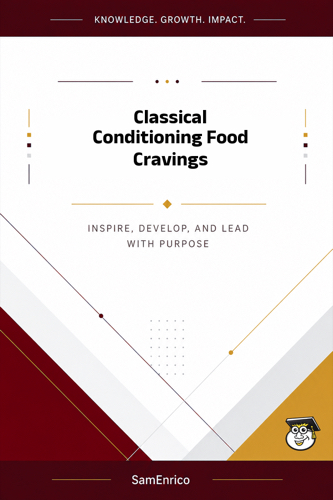
Classical Conditioning Food Cravings
Unlearn automatic responses to food cues like TV c
Unlearn automatic responses to food cues like TV commercials.
Formats
About this book
Free sample
Chapter 1: The Hungry Ghost--–- The drive home should have been uneventful. You had eaten a balanced dinner exactly forty-seven minutes ago. Your stomach, by any objective measure, was full. The leftovers sat in a container on the passenger seat, evidence of a meal that had satisfied your nutritional needs. And yet, as you crested the hill and the billboard came into view—a towering image of a burger, glistening, the cheese pulled halfway off the patty in that slow-motion stretch that television commercials have perfected—something shifted.
Your mouth watered. Not a little. Not metaphorically. The salivary glands under your tongue activated as if you had not eaten in days. Your hand drifted toward the steering wheel, not to turn, but to steady yourself against a wave of something that felt remarkably like hunger.
But it was not hunger. It could not be hunger. You had just eaten.This is the central mystery of modern eating, and it is the mystery this book exists to solve. You have experienced this moment. Perhaps not with a billboard.
Perhaps with the sound of a specific jingle from another room, or the glimpse of a red and yellow logo on a delivery bag someone carries past your window, or the mere mention of a brand name in conversation. Suddenly, without warning, without any biological need, you want. The wanting arrives fully formed, like a weather system rolling in off the ocean. It has texture, temperature, and most confusingly of all, it has a specific target. You do not want food in the abstract.
You want that food. The one in the commercial. The one with the cheese pull. The one whose name you can recite from memory even though you have not seen an advertisement for it in weeks.This book is about that wanting. It is about the mechanism that creates it, the industry that exploits it, and most importantly, the method by which you can unlearn it.
The name for this mechanism is classical conditioning, discovered accidentally by a Russian physiologist named Ivan Pavlov at the turn of the twentieth…
This is the end of the free sample. Get the eBook to keep going. Buy now
Contents
- Chapter 1
- Chapter 2
- Chapter 3
- Chapter 4
- Chapter 5
- Chapter 6
- Chapter 7
- Chapter 8
- Chapter 9
- Chapter 10
- Chapter 11
- Chapter 12
Details
- Author
- Hobson Cindie
- Publisher
- SamEnrico
- Language
- English
- Genre
- Non-Fiction, Health & Wellness, Conditioning
- Released
- 2026-06-07
- Pages (approx.)
- 157
- Available as
- eBook, Audiobook

Read better in the ZLOADR app
Your eBooks on your phone or tablet. Sign in with your SamEnrico account and start reading.
More by Hobson Cindie
 Mindful Dishwashing PracticeHobson Cindie$11.99
 Remote Worker Sleep BalanceHobson Cindie$11.99
 Introvert Conversation Starters WorkbookHobson Cindie$11.99
 Parent Death and Eating DisorderHobson Cindie$11.99
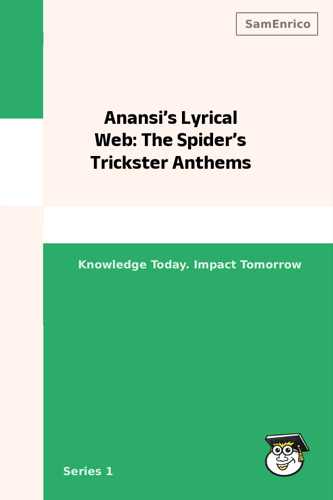 Anansi’s Lyrical Web: The Spider’s Trickster AnthemsHobson Cindie$11.99
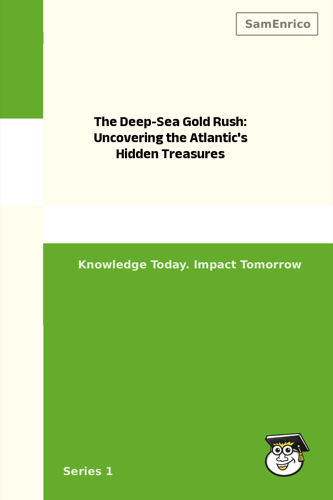 The Deep-Sea Gold Rush: Uncovering the Atlantic's Hidden TreasuresHobson Cindie$11.99
 Understanding Glycogenosis Type IiiHobson Cindie$17.99
 Outdoors(Edit)Hobson Cindie$11.99
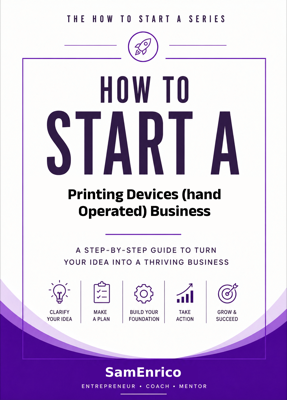 How to Start a Printing Devices (hand Operated) Business (Beginners Guide)Hobson Cindie$11.99
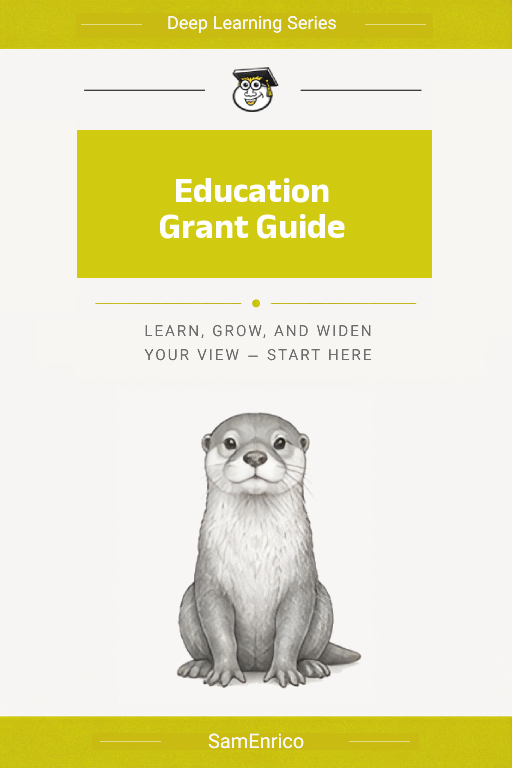 Education Grant GuideHobson Cindie$12.99
 One Page Competitor Analysis WorkbookHobson Cindie$12.99