
Binge Relapse Prevention Plan eBook
Identify high risk situations and prepare coping r
Identify high risk situations and prepare coping responses.
Formats
Free sample
Chapter 1: The Willpower Trap--–- You have likely opened this book because you have tried to stop bingeing before. Perhaps dozens of times. Perhaps hundreds. And each time, you drew the same conclusion: I don’t have enough willpower. I’m weak.
Something is wrong with me.That conclusion is wrong. Not slightly inaccurate. Not missing a few details. Completely, structurally, dangerously wrong.The belief that bingeing is a failure of willpower is not just unhelpful—it is the very engine that keeps the binge cycle running. Every time you blame yourself for lacking self-discipline, you pour fuel onto a fire that you are desperately trying to extinguish.
This chapter will show you why willpower is a trap, what actually drives binge behavior, and how to replace self-blame with a strategy that works.The Morning That Changed Everything Let me tell you about a woman named Sarah. (Her name and details are changed, but her story is a composite of hundreds of people I have worked with.) Sarah was forty-two years old, a successful architect, a devoted mother of two, and someone who had secretly binged on food at least three nights a week for sixteen years.One Tuesday morning, Sarah woke up determined. She had gained twelve pounds over the holidays, her jeans didn’t fit, and she had promised herself that this time would be different. She threw away every “trigger food” in the pantry: cookies, chips, ice cream, bread. She wrote out a strict meal plan.
She downloaded a calorie-counting app. She told her husband, “I mean it this time. No more.”For ten days, Sarah was a model of willpower. She ate exactly what she had planned. She declined cake at a coworker’s birthday party.
She went to bed hungry some nights but told herself it was worth it. On day eleven, she had a brutal day at work—a client yelled at her, a deadline moved up, and she forgot to eat lunch because she was so busy. By 7 PM, she was exhausted, hungry, and irritable.She walked into the kitchen. The pantry was still empty. She stood there for a moment, then drove to the grocery store.
She bought a family-sized bag of chips, a pint of ice cream, and a box of cookies. She ate all of them in her car in the parking lot. Then she drove home, cried, and told herself she was a failure.The next morning, she ate a normal breakfast and tried again. By Friday, she had binged twice more. By Sunday, she had given up entirely.Sarah’s story is not unusual.
It is the story of almost everyone who has tried to stop bingeing through sheer willpower. And the reason willpower fails is not because Sarah was weak. It is because willpower was never designed to do what she asked of it.The Three Lies We Believe About Willpower Before we can build a real relapse prevention plan, we have to dismantle the three lies that keep people trapped in the binge cycle.Lie #1: If I had enough willpower, I could just stop.This lie assumes that willpower is a muscle that can be flexed indefinitely. In reality, willpower is a finite resource that depletes with use. Psychologist Roy Baumeister’s research on “ego depletion” found that people who exerted self-control on one task performed worse on a subsequent task requiring self-control.
In one famous study, people who had to resist eating fresh-baked cookies (and instead eat radishes) gave up on a subsequent puzzle task much faster than people who had been allowed to eat the cookies.What does this mean for you? Every time you resist a craving, every time you force yourself to follow a restrictive meal plan, every time you white-knuckle through hunger—you are using up willpower. And eventually, you run out. That is not a moral failure. That is biology.Lie #2: The harder I try, the stronger I will become.This lie confuses effort with effectiveness.
Trying harder often means tightening restrictions, cutting more calories, and increasing vigilance. But research consistently shows that dietary restriction is one of the strongest predictors of binge eating. A landmark study by Polivy and Herman found that the very act of dieting—setting rigid rules about what, when, and how much to eat—creates a psychological state of deprivation that inevitably leads to overeating when the rules are broken.Think of it this way: If you tell yourself you can never have a cookie, the cookie becomes magnetic. It occupies your thoughts. You dream about it.
And when you finally eat one (because you are human), the shame triggers the “what the hell” effect—I’ve already ruined my diet, I might as well eat the whole box. Trying harder did not make you stronger. It made the binge bigger.Lie #3: Other people can do it, so I should be able to too.This lie ignores biology. Some people have genetic predispositions that make them more vulnerable to binge eating. Some people grew up in environments that normalized chaotic eating.
Some people have co-occurring conditions like depression, anxiety, or ADHD that make impulse control more difficult. Comparing your internal experience to someone else’s external behavior is like comparing a marathon runner’s training plan to a person with a broken leg.The truth is that most people who appear to have “perfect control” over food are not using willpower at all. They have either (a) never experienced a binge urge, (b) are following intuitive eating patterns without restriction, or (c) are hiding their own struggles. The myth of the effortlessly controlled eater is just that—a myth.What Actually Drives a Binge: Biology, Environment, and Psychology If willpower is not the answer, what is? To answer that, we have to understand the three forces that drive the binge cycle: biology, environment, and psychology.
These forces operate whether you want them to or not. They are not weaknesses. They are the raw materials of human behavior.The Biological Driver: Your Body’s Famine Response Your body does not know that you are trying to lose weight or follow a diet. All it knows is that you are eating less than usual, and it interprets that as a famine. When your body perceives scarcity, it launches a survival response that is millions of years old.Here is what happens biologically when you restrict food:First, your gut releases ghrelin, the “hunger hormone.” Ghrelin levels rise before meals and fall after eating.
But when you chronically undereat or skip meals, ghrelin levels stay elevated, creating a persistent, gnawing hunger that is extremely difficult to ignore.Second, your fat cells release less leptin, the “satiety hormone.” Leptin signals to your brain that you have enough energy stored. When leptin drops, your brain genuinely believes you are starving—even if you have plenty of body fat.Third, your body increases production of neuropeptide Y (NPY) , a neurotransmitter that specifically drives cravings for carbohydrates and fats. This is not a preference. This is a survival mechanism. Your body wants dense energy, and it will do everything in its power to get it.Finally, cortisol—the stress hormone—amplifies all of these signals.…
This is the end of the free sample. Get the eBook to keep going. Buy now
About this book
Details
- Author
- Christian Yael
- Publisher
- SamEnrico
- Language
- English
- Genre
- Non-Fiction, Self-Help, Relapse
- Released
- 2026-06-09
- Pages (approx.)
- 139
- Available as
- eBook, Audiobook

Read better in the ZLOADR app
Your eBooks on your phone or tablet. Sign in with your SamEnrico account and start reading.
More by Christian Yael
 Sports Charity Fraud Cases HandbookChristian Yael$11.99
 Flow for MusiciansChristian Yael$11.99
 The Chain Breaking Eating GuideChristian Yael$11.99
 High Conflict Divorce SurvivalChristian Yael$11.99
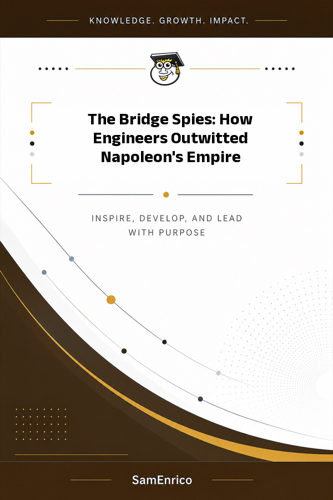 The Bridge Spies: How Engineers Outwitted Napoleon's EmpireChristian Yael$11.99
 Understanding Western Equine EncephalitisChristian Yael$17.99
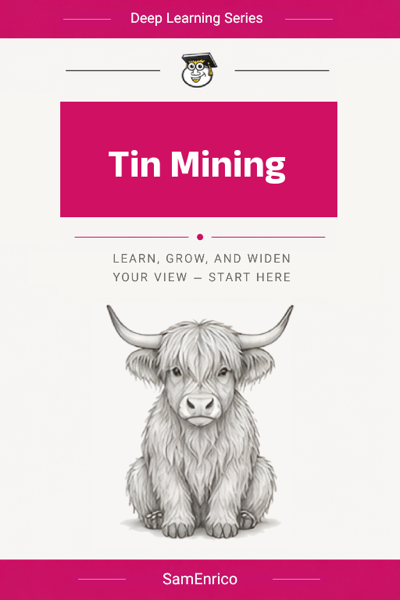 Tin MiningChristian Yael$11.99
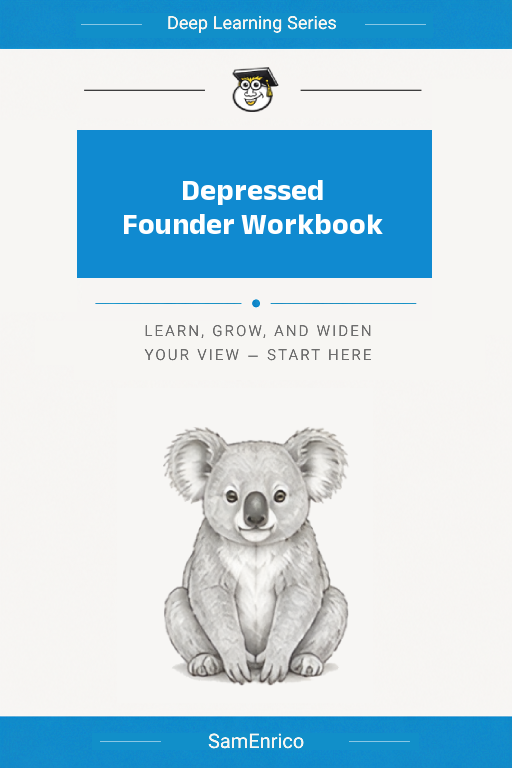 Depressed Founder WorkbookChristian Yael$12.99
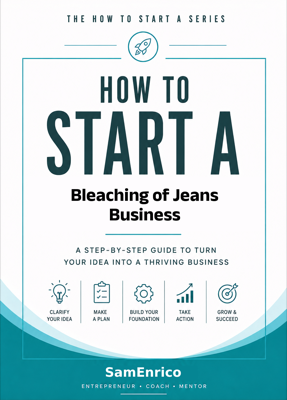 How to Start a Bleaching of Jeans Business (Beginners Guide)Christian Yael$11.99
You may also like
 Hong Kong Handover 1997Dunn Johnnie$11.99
 Zumba For Postnatal Recovery CourseNeal Christian$11.99
 Zumba for BeginnersLadner Nikia$11.99
 YouTube Comment Mining GuideHumes Pandora$12.99
 Worry Box MeditationCarlin Rudy$11.99
 Workplace Stress MeditationNguyen Lynn$11.99
 Workplace Stress and Sleep RepairHawley Ivory$11.99
 Workplace Perfectionism CureDelaney Jeffry$11.99
 Workplace Injustice Anger GuideWallen Isabelle$11.99
 Work Addiction and Burnout LinkGreenwood Ester$11.99
 Women in Yoga and WellnessBeattie Galina$11.99
 Women in Stand Up ComedyChun Evangeline$11.99