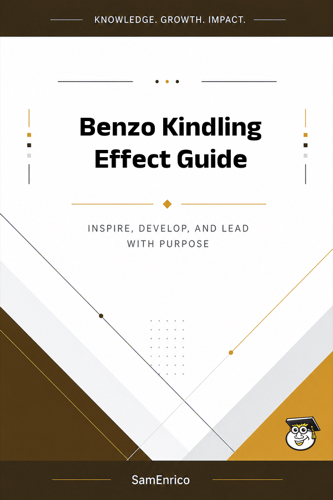
Benzo Kindling Effect Guide
Explains worsening withdrawal after repeated benzo
by Keating Cruz
Explains worsening withdrawal after repeated benzodiazepine cessation.
Formats
About this book
Free sample
Chapter 1: The Ignored Epidemic...--For decades, a silent injury has been hiding in plain sight inside medicine cabinets, emergency rooms, and psychiatric offices across the world. It does not announce itself with dramatic symptoms on the first day or even the first month. Instead, it creeps in slowly, disguised as the very conditions it was prescribed to treat. Patients report worsening anxiety, deepening insomnia, strange neurological sensations, and a feeling that something has gone terribly wrong inside their own minds. Their doctors run tests.
The tests come back normal. The conclusion, almost always, is the same: the patient's original condition must be getting worse. And the solution? Increase the dose. Add another medication.
Try a different benzodiazepine.This is the machinery of the ignored epidemic. And if you are reading this book, there is a significant chance that you are caught inside it.Benzodiazepines are among the most widely prescribed medications in the world. In the United States alone, more than 90 million prescriptions are written each year for drugs like Xanax (alprazolam), Valium (diazepam), Klonopin (clonazepam), and Ativan (lorazepam). They are prescribed for anxiety, insomnia, panic disorder, muscle spasms, and even as adjuncts to antidepressants. For the first few weeks, they work remarkably well.
They quiet the racing mind. They sedate the overactive nervous system. They provide relief that feels nothing short of miraculous.But that relief comes with a hidden price that no one explains at the pharmacy counter or the doctor's office.Unlike most prescription medications that affect neurotransmitter levels temporarily, benzodiazepines physically alter the structure of your brain's most important inhibitory system: the GABA-A receptor complex. GABA (gamma-aminobutyric acid) is the brain's primary brake pedal. It slows down neural firing, calms excitatory signals, and maintains the delicate balance between arousal and relaxation.
Benzodiazepines bind to specific sites on the GABA-A receptor and enhance its function, effectively pushing the brake pedal harder than your body ever could on its own.The problem is that your brain is not a passive passenger in this process. It is an adaptive, homeostatic organ that constantly monitors its own chemistry and makes adjustments…
This is the end of the free sample. Get the eBook to keep going. Buy now
Contents
- Chapter 1
- Chapter 2
- Chapter 3
- Chapter 4
- Chapter 5
- Chapter 6
- Chapter 7
- Chapter 8
- Chapter 9
- Chapter 10
- Chapter 11
- Chapter 12
Details
- Author
- Keating Cruz
- Publisher
- SamEnrico
- Language
- English
- Genre
- Non-Fiction, Self-Help, Benzo Withdrawal
- Released
- 2026-06-10
- Pages (approx.)
- 145
- Available as
- eBook, Audiobook

Read better in the ZLOADR app
Your eBooks on your phone or tablet. Sign in with your SamEnrico account and start reading.
More by Keating Cruz
 Beginner Zen Meditation GuideKeating Cruz$11.99
 Outbreak Insurance Renewal TacticsKeating Cruz$11.99
 Exercise Intensity for HGH ReleaseKeating Cruz$11.99
 My Foster Care PromiseKeating Cruz$11.99
 Garden Weekly Review GuideKeating Cruz$11.99
 Swimming TechniqueKeating Cruz$11.99
 Goal Sharing and SupportKeating Cruz$11.99
 The Codebreaker's Gambit: How a Teenage Girl Cracked the Nazi's Secret WeaponKeating Cruz$11.99
 Wings of the First Dawn: The Arctic Tern’s 44,000-Mile OdysseyKeating Cruz$11.99
 Service Providers Guide to Windshield RepairKeating Cruz$11.99
 How to Produce Wind Wheels and SpinnersKeating Cruz$11.99
 Local Agent Requirements in SaudiKeating Cruz$12.99