
Analytical Essay Prompt Template
Deconstruct literature, data, or artifacts using G
by Bryson Tania
Deconstruct literature, data, or artifacts using GPT prompts that ask for pattern recognition, thematic connections, and critical interpretation.
Formats
About this book
Free sample
Chapter 1: The Architecture of Insight...–- Every failed prompt begins with good intentions. You sit down with a text, a dataset, or an artifact. You open your GPT interface. You type something reasonable like “Analyze the symbolism in chapter three” or “What patterns do you see in this spreadsheet?” or “Interpret this advertisement.” And what do you get? A paragraph that feels correct but says nothing you couldn’t have guessed.
A list of observations so obvious they embarrass you. A interpretation that hedges every claim with “it depends” and “on the other hand.” You read the output and think: This is not analysis. This is a polite student who didn’t do the reading.This chapter solves that problem. Not by giving you better facts or a smarter AI, but by rebuilding the architecture of your prompts from the ground up. By the time you finish these pages, you will never write a vague, underperforming prompt again.
You will understand why most prompts fail, what the four components of an analytical prompt are, and how to assemble them into precision tools that force GPT to think like an analyst rather than recite like a search engine.The Hidden Cost of Vague Prompts Let us begin with a diagnosis. When you type “Analyze X” into GPT, what happens under the hood? The AI does not have a secret analytical engine. It has a pattern-matching system trained on billions of documents. When you say “analyze,” GPT searches its training for the most common textual patterns that follow that word.
And the most common pattern is summary followed by generic themes. This is not because GPT is lazy. It is because most human writing that uses the word “analyze” is itself shallow. Garbage in, garbage out, even when the garbage is statistically sophisticated.Consider two prompts. The first: “Analyze the theme of power in Shakespeare’s The Tempest.” The second: “Trace how Prospero’s use of the word ‘slave’ changes from Act I to Act V, using three specific speech examples, and conclude what this shift suggests about the play’s definition of legitimate authority.” The…
This is the end of the free sample. Get the eBook to keep going. Buy now
Contents
- Chapter 1
- Chapter 2
- Chapter 3
- Chapter 4
- Chapter 5
- Chapter 6
- Chapter 7
- Chapter 8
- Chapter 9
- Chapter 10
- Chapter 11
- Chapter 12
Details
- Author
- Bryson Tania
- Publisher
- SamEnrico
- Language
- English
- Genre
- essays, Student's Shortcut
- Released
- 2026-06-01
- Pages (approx.)
- 157
- Available as
- eBook, Audiobook

Read better in the ZLOADR app
Your eBooks on your phone or tablet. Sign in with your SamEnrico account and start reading.
More by Bryson Tania
 NASCAR Crew Chief GuideBryson Tania$11.99
 No More Walking on EggshellsBryson Tania$11.99
 Name Recall for Volunteer LeadersBryson Tania$11.99
 Brad Paisley Guitar AceBryson Tania$11.99
 Sleep For Students MemoryBryson Tania$11.99
 Childhood Anger PatternsBryson Tania$11.99
 Youth Peer Counseling GuideBryson Tania$11.99
 Medical Complications ListBryson Tania$11.99
 Veles’ Shadow: The Spy Who Crossed the UnderworldBryson Tania$11.99
 The Vanishing Code: How a WWII Spy’s Lost Cipher Changed Modern CryptographyBryson Tania$11.99
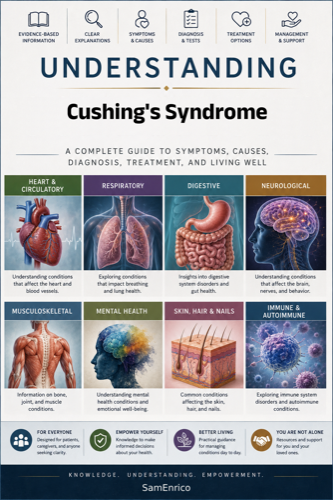 Understanding Cushing's SyndromeBryson Tania$11.99
 How to Produce a Force TouchBryson Tania$11.99
You may also like
 YouTube Video Essay DepthLeon Lala$11.99
 TOEFL Independent Essay GuideMintz Alex$11.99
 Music Theory Essay GuideWilkinson Maisha$11.99
 Expository Essay AI PromptsApplegate Dalia$11.99
 Exam Essay MemorizationMcgovern Johna$11.99
 Compare Contrast Essay PromptsOntiveros Marx$11.99
 College Application Essay GuideSisson Aimee$11.99College Application Essay GuideSisson Aimee$11.99
 The 100 Word Essay ChallengeAli Luciana$11.99
 Journalism Essay PromptsThatcher Williemae$11.99
 Finance Essay PromptsShrader Lamont$11.99
 Cause Effect Essay GPT GuideBland Jacelyn$11.99